

 Yeliz Akmaca
io.net is a decentralized GPU cloud infrastructure provider. By distributing GPU clusters on-demand from data centers worldwide, it offers low-latency, high-performance computing for AI and machine learning (ML) applications. Built on the Solana blockchain, the project provides AI developers with access to open-source models.
By offering developers unlimited GPU access, io.net aims to reduce costs for AI/ML projects and optimize resource utilization.

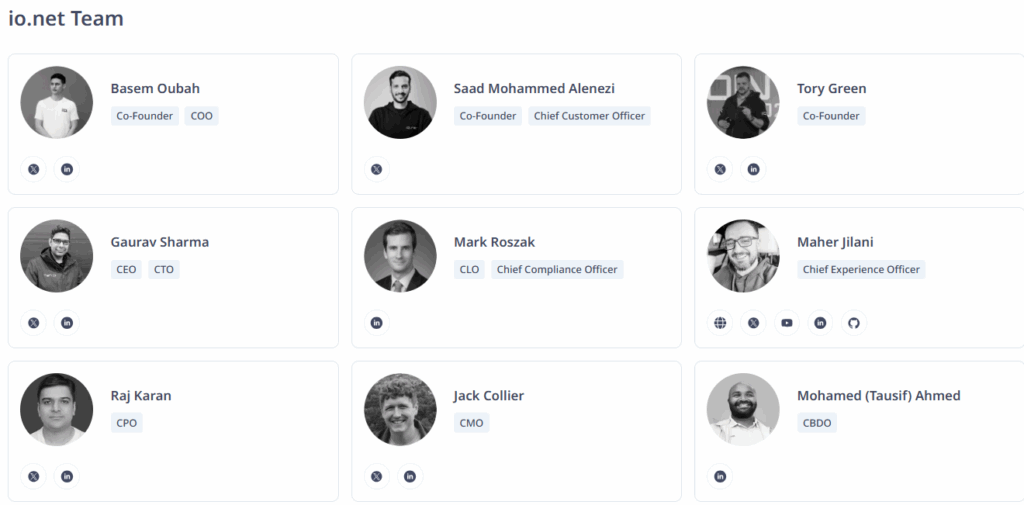
Team and Founders
io.net was founded by an experienced team:
- Tory Green – CEO & Co-Founder (Stanford graduate, Tiller Partners & HUM Capital)
- Ahmad Shadid – Co-Founder (WhalesTrader & Arabfolio, Ethereum Foundation volunteer)
- Basem Oubah – Co-Founder & Chief of Staff (Yıldız Technical University graduate)
- Matej Tomazin – Co-Founder
- Gaurav Sharma – CTO (Binance, Agoda, Amazon, eBay experience)
- Garrison Yang – CMO (Ava Labs, gaming & tech consultancy)
- Smiral Rashinkar – VP of Engineering (ML engineer at Koo & Rivi)
The team has deep expertise in AI, blockchain engineering, and enterprise infrastructure.
Funding and Investors
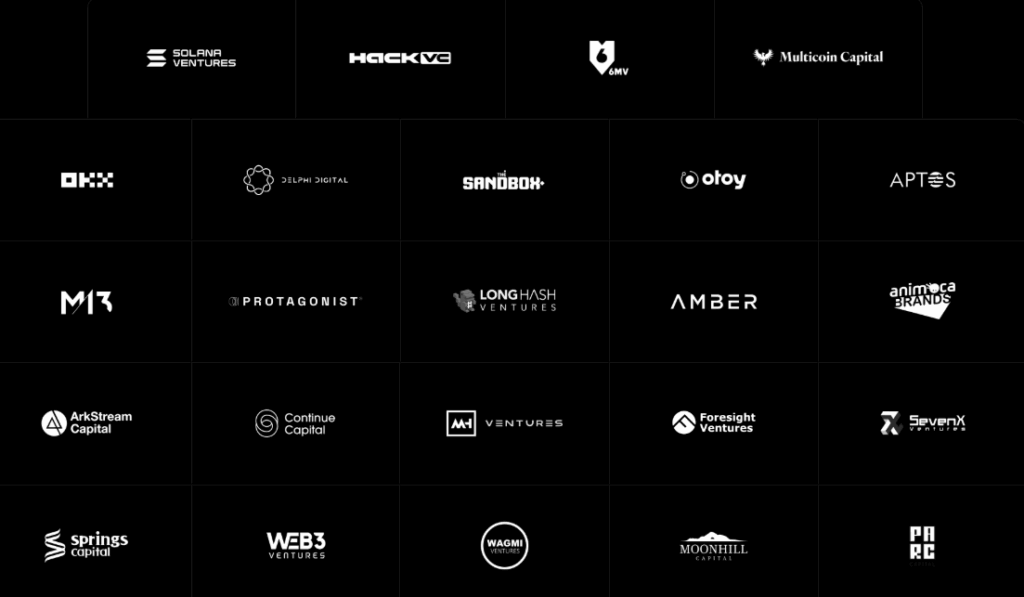
io.net raised $30M in a Series A round led by Hack VC. Notable participants include:
- Lead Investors: Hack VC, Multicoin Capital, 6th Man Ventures (6MV)
- Other Participants: Solana Ventures, OKX Ventures, Aptos Labs, Delphi Digital, The Sandbox, Otoy, Protagonist, LongHash Ventures, Amber Group, Animoca Brands, ArkStream Capital, Continue Capital, Foresight Ventures, SevenX Ventures, Springs Capital, Web3 Ventures, WAGMI Ventures, Moonhill Capital, PBG Capital
Project Concept
- Decentralized GPU Network: io.net aggregates idle GPUs from independent data centers, crypto miners, and other blockchain projects (Render, Filecoin), creating a massive decentralized computing network.
- Affordable Computing Power: The network provides AI/ML developers with cost-efficient GPU access, reducing costs by up to 70% compared to traditional cloud providers like AWS.
- DePIN Model: As a Decentralized Physical Infrastructure Network, GPU owners rent their hardware in exchange for $IO tokens, while developers pay with tokens to access resources.
- Developer-Friendly Tools: io.net offers open-source models, SDKs, and tools for parallel training, model tuning, and distributed workload management.
- Efficient Resource Use: The network optimizes GPU clusters on-demand, balancing workloads to reduce costs and maintain high performance.
How io.net Works
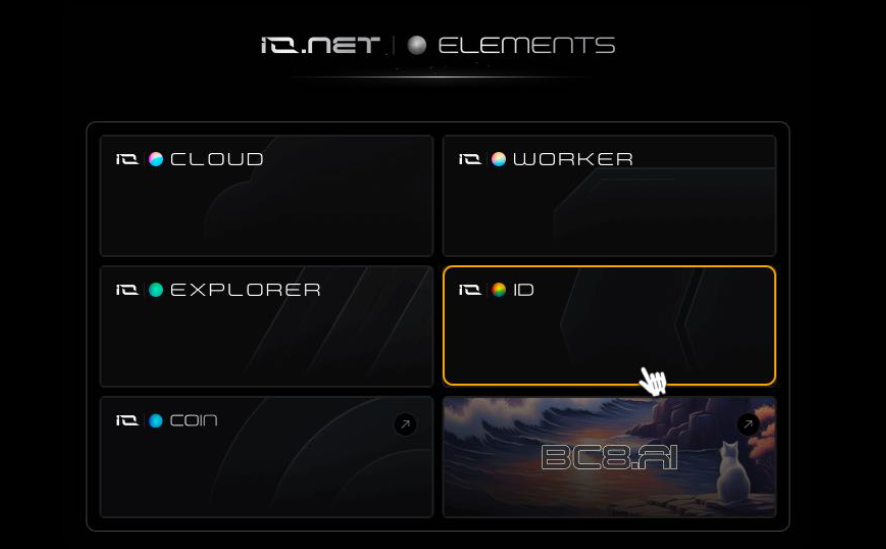
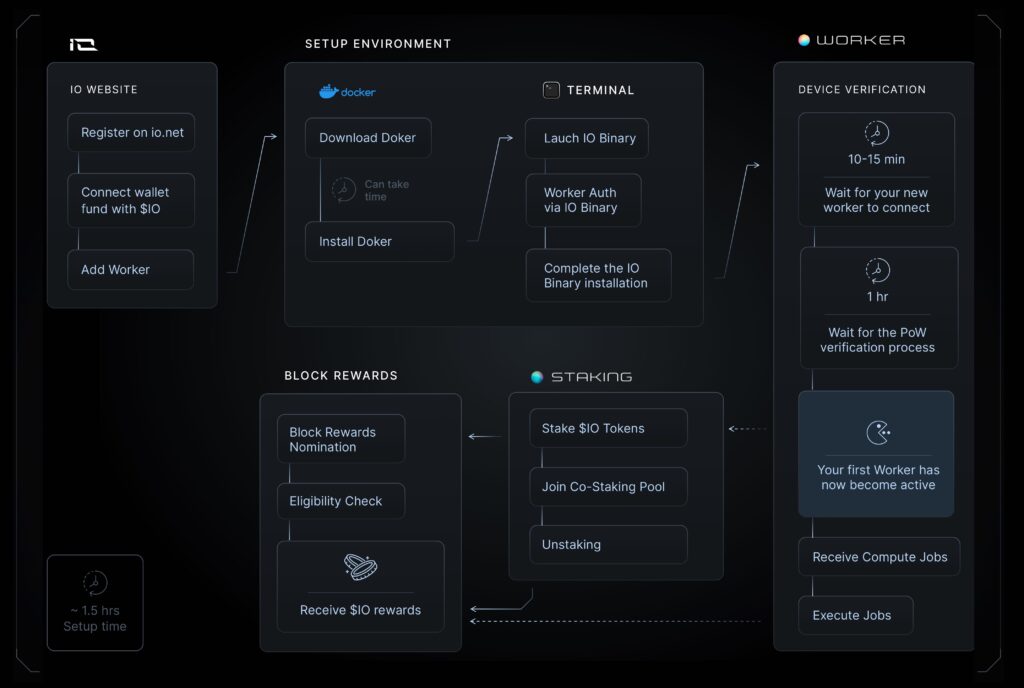
- IO Worker: Independent nodes providing GPU resources, tracking usage and earnings
- IO Cloud: Allows users to create GPU clusters on-demand and manage workloads
- IO Intelligence: Open-source models and tools for AI developers
- IO Explorer: Shows GPU/CPU assets, pricing, and block rewards
- IO ID: Manages users’ earnings, wallet connections, and identity verification
The Proof of Time-Lock mechanism ensures rented GPUs are not used for other tasks during the rental period.
Architecture Layers
- UI Layer: User interface for developers and providers
- Security Layer: Firewalls, authentication, logging
- API Layer: Connects external systems with internal operations
- Backend Layer: Cluster management, workload tracking, billing
- Database Layer: Structured data and caching
- Message Broker/Task Layer: Workflow management
- Infrastructure Layer: Distribution and management of GPU/CPU resources
AI/ML Applications
- Training: Parallel GPU use for model training, data and model parallelism
- Tuning: Efficient hyperparameter search on distributed systems
- IO-SDK: Easy parallel computing via Ray.io fork
Governance
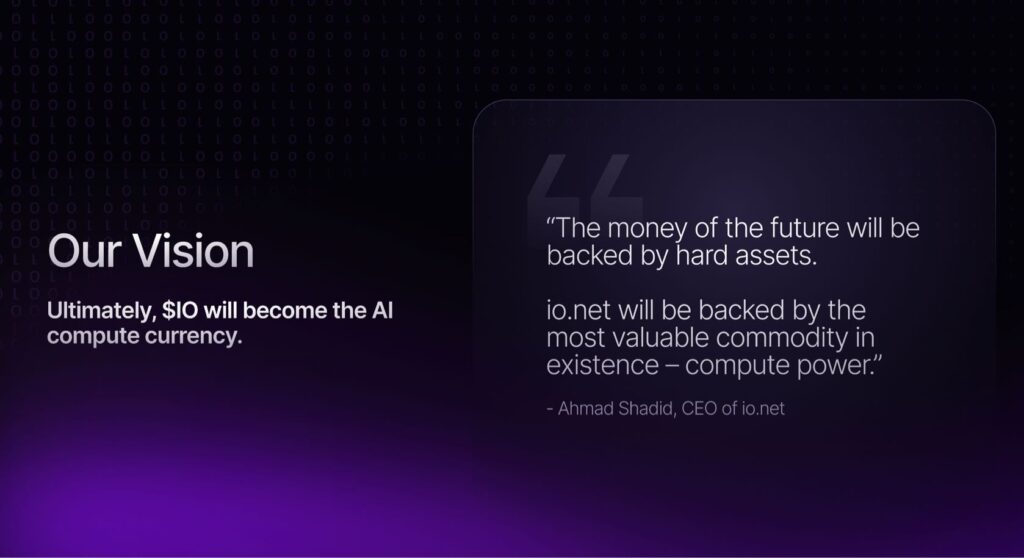
$IO Token: Used for governance, staking, and rewards
Staking: Tokens can be staked for network security
Voting: Community votes on protocol upgrades and parameter changes
Roadmap
- Phase 1: GPU cluster deployment and infrastructure setup
- Phase 2: Integration of IO Intelligence platform
- Phase 3: Development of comprehensive AI/ML tools
- Detailed roadmap includes BC8 V2.0, Search & Deploy, and platform updates
Token Info
- Name: $IO
- Total Supply: 800,000,000
- Use Cases: Payments, staking, rewards, governance
- Blockchain: Solana
- Circulating Supply: 204.4M IO
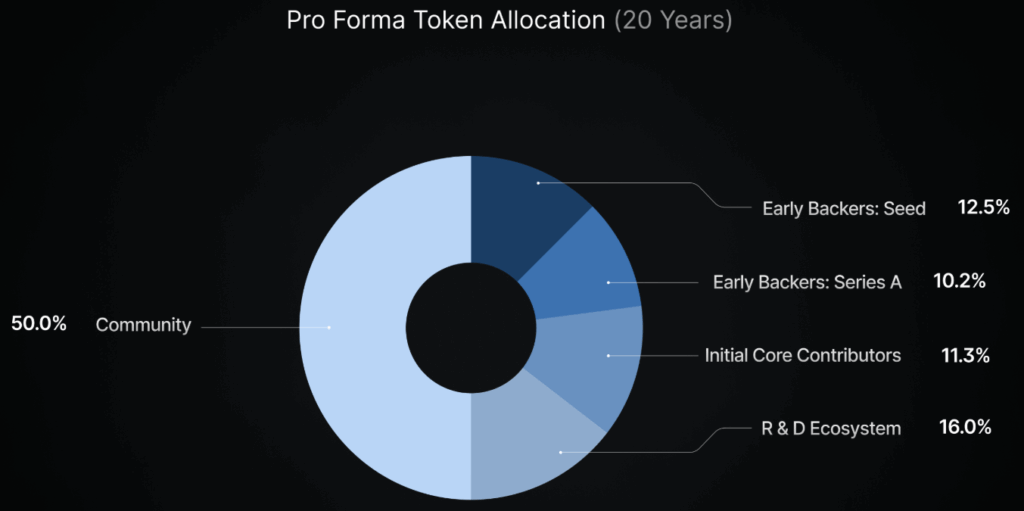
Token Distribution
- Community: 50%
- R&D Ecosystem: 16%
- Core Contributors: 11.3%
- Early Supporters (Series A): 10.2%
- Early Supporters (Seed): 12.5%
Ecosystem & Partnerships
- Render: Provides GPU resources, early supplier incentives (300,000 RENDER reward)
- Filecoin: Storage services
- Aethir: GPU resources
Key Features
- Low cost: Up to 50% savings vs traditional cloud
- High performance: Low-latency GPU clusters
- Flexible: On-demand GPU cluster creation
- Developer tools: Open-source models and resources
Official Links
You can freely share your thoughts and comments about the topic in the comment section. Additionally, please don’t forget to follow us on our Telegram, YouTube and Twitter channels for the latest news and updates instantly.