

 Yeliz Akmaca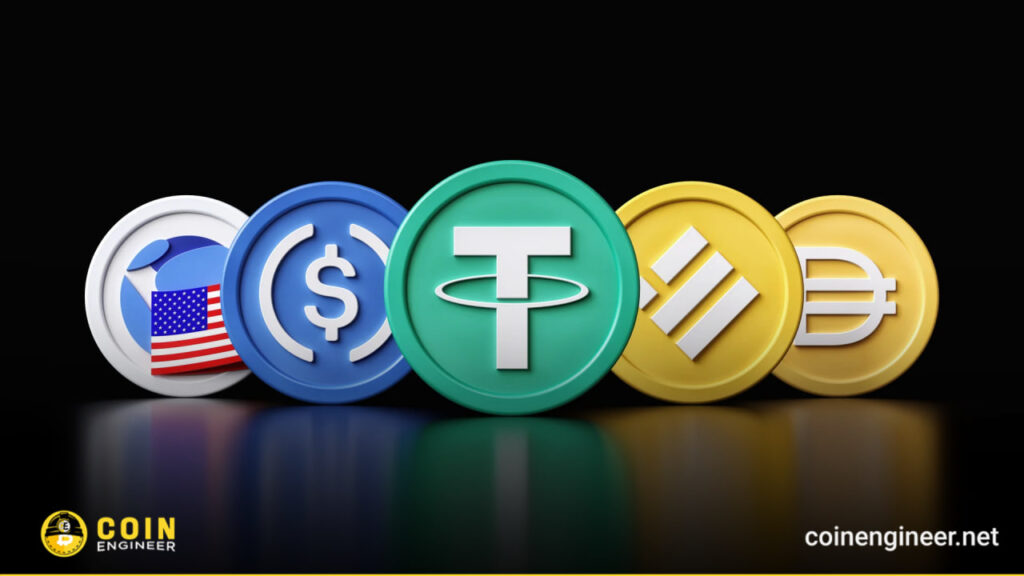
Stablecoin payments have reached a historic milestone, climbing over $10 billion in 2025 — a 70% year-over-year surge driven by rapid corporate adoption. Business-to-business (B2B) transfers now account for nearly two-thirds of all on-chain transactions, signaling that digital dollars have evolved from trading tools into mainstream payment infrastructure.
According to data from Artemis, stablecoin settlement volumes rose sharply from $6 billion in February to more than $10 billion by August 2025. The shift underscores how stablecoins are moving beyond crypto exchanges, reshaping how companies handle real-world liquidity.
B2B Transactions Drive Stablecoin Growth
Corporate use of stablecoins has exploded, with B2B transfers now representing around 66% of total payments. Artemis reports that monthly B2B volume has more than doubled — up 113% since February — reaching $6.4 billion. This pushed the cumulative value of stablecoin payments since 2023 above $136 billion, confirming that on-chain money is no longer a niche medium.
Consumer channels are also expanding. Crypto card payments increased by 36%, while business-to-consumer (B2C) transfers rose 32%, and pre-funded liquidity — a popular tool for instant settlements — jumped 61%.
David Alexander, partner at venture firm Anagram, said the data shows how on-chain liquidity is now translating into real-world spending power. He noted that crypto cards process over $1.5 billion in transactions each month, marking a 50% rise since the start of the year.
“These systems allow users to earn yield through DeFi protocols and spend instantly,” Alexander explained. “It’s a seamless bridge — turning blockchain liquidity into usable cash, blending DeFi yields with the familiarity of traditional payment networks.”
Tether Strengthens Lead as Tron’s Market Share Shrinks
Tether (USDT) remains the undisputed leader, accounting for 69% of all stablecoin transactions. However, Tron — once the dominant network for Tether transfers — has started to lose momentum, dropping from 71% to 65% market share since Q1. Competing blockchains like Base, Solana, and Ethereum’s Layer-2 solutions are rapidly gaining traction, fueled by institutional-grade integrations and lower fees.
Meanwhile, Circle’s USDC has seen renewed adoption following its expansion across multiple blockchains and regulatory clarity in the U.S. The company recently reported a 45% increase in institutional settlement volume, largely driven by fintech platforms and payment processors.
Stablecoins Become Core Payment Infrastructure
The surge in B2B adoption signals a structural shift in the global payments landscape. As on-chain settlements become faster, cheaper, and more compliant, stablecoins are evolving from speculative crypto assets into programmable money for businesses, payrolls, and cross-border operations.
Analysts predict the next growth phase will come from tokenized treasury products and stablecoin-based remittance systems. In this new model, the blockchain acts not just as a financial network but as a universal settlement layer connecting banks, fintechs, and enterprises worldwide.
You can also freely share your thoughts and comments about the topic in the comment section. Additionally, don’t forget to follow us on our Telegram, YouTube, and Twitter channels for the latest news and updates.