

 Ahmet Bedirhan Arvas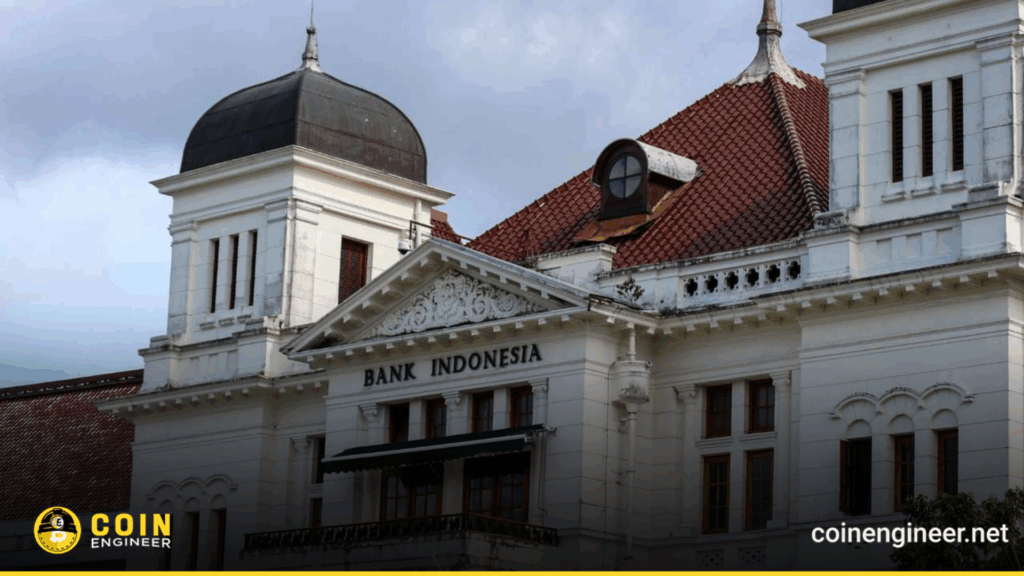
The Central Bank of Indonesia (Bank Indonesia) has announced plans to issue a new stablecoin. Moreover, this stablecoin is expected to be backed by government bonds, making it a national stablecoin supported by the state. In the rapidly evolving world of crypto, Indonesia now aims to establish a new harmony between “central banks and blockchain.”
How Will the Bond-Backed Stablecoin Work?
The Governor of Bank Indonesia, Perry Warjiyo, spoke at the Indonesia Digital Finance and Economy Festival & Fintech Summit 2025 in Jakarta, saying:
Bank Indonesia will act as a digital central bank and plans to issue its existing securities as well as tokenized government bonds. These securities are expected to be backed by the state-supported digital rupiah. This product is anticipated to emerge as Indonesia’s national version of a stablecoin.
In other words, this upcoming stablecoin will differ from others as it won’t be directly tradable in the open crypto market. Instead, it will be secured by government bonds and used as a digital instrument managed by the central bank.
You may also be interested in this article: The FED Announces Its Highly Anticipated Interest Rate Decision! Here’s How Bitcoin and the Markets Reacted
Why Is Indonesia Doing This?
- Trust and Transparency:
Normally, stablecoins are backed by assets such as gold, Bitcoin, Ethereum, or real US dollars. However, this time, having tangible government-backed assets behind the coin significantly increases user confidence. A bond-backed stablecoin would also experience much lower volatility. - Expansion of Monetary Tools:
When a central bank operates only with traditional currencies, it limits itself. Therefore, digital assets can serve as a tool in monetary policy, giving the bank greater flexibility. Through these digital currencies, features like traceable money supply, dynamic interventions, and automatic stabilization mechanisms can be achieved. - Financial Growth:
Geographically, Indonesia faces accessibility challenges. With the introduction of digital assets, financial services can become more accessible to rural and underserved areas, promoting greater financial inclusion. - Integration with Blockchain:
Through this stablecoin, the country will not only integrate with the crypto ecosystem but also enable banks to take a step closer to blockchain technology.
You can also freely share your thoughts and comments about the topic in the comment section. Additionally, don’t forget to follow us on our Telegram, YouTube, and Twitter channels for the latest news and updates.