

 Haciyev Reşit
The Ethereum (ETH) ecosystem is preparing to resolve a long-debated economic issue with the Fusaka upgrade, which will go live on December 3. At the center of this upgrade is EIP-7918, a proposal that introduces a major overhaul to the fee structure of Ethereum Layer-2 (L2) networks, bringing mechanisms that will directly impact both Ethereum L1 and the broader L2 ecosystem.
The Problem With L2s: Heavy Traffic, Low Contribution
Until now, the Ethereum mainnet has not charged base fees from Layer-2 networks. This meant that despite L2s such as Arbitrum, Optimism, and Base processing millions of transactions each day, they contributed almost nothing to Ethereum’s burn mechanism. This issue has long been criticized by the Ethereum community as an “economically unfair system.”

What Does Fusaka Change?
With Fusaka, the model introduced by EIP-7918 will require L2s to pay fees based on the actual cost of executing transactions on Ethereum. This establishes a transparent and responsive pricing system. One of the most important impacts is that the new mechanism disciplines L2 fee markets, preventing extreme gas spikes. During periods of high activity, L2 users will no longer encounter excessively high fees, as costs will be capped and aligned with L1 execution costs.
At the same time, EIP-7918 will make L2s pay a meaningful base fee to Ethereum for the first time. All of these fees will be added to Ethereum’s burn mechanism, contributing to the reduction of ETH supply. Experts note that although the initial burn contribution may be small, the impact will grow significantly as L2 networks scale—eventually burning millions of dollars’ worth of ETH.
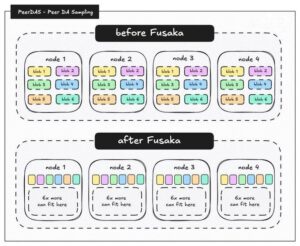
A “Double Benefit” Model for L1 and L2
According to Ethereum developers, Fusaka is not just a fee update—it is a long-term economic restructuring. L2 networks will move to a more equitable cost model, while Ethereum L1 strengthens the sustainability of its deflationary framework.
The new system introduces two major advantages:
- L2 networks will begin contributing to Ethereum’s security costs,
- Ethereum will enhance its burn mechanism, reducing supply more effectively.
This upgrade resolves the long-standing economic misalignment between L1 and L2 in a systematic way for the first time.
A New Era for ETH Economics
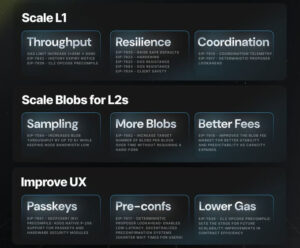
The Fusaka upgrade is seen not just as a technical improvement, but as a major redesign of Ethereum’s economic architecture. Experts say the change will:
- Strengthen Ethereum’s deflationary model
- Enhance the long-term sustainability of L2 networks
- Create a healthier, more balanced financial structure for the entire ecosystem
This is why the December 3 upgrade is being viewed by both developers and investors as “the beginning of a new economic era” for Ethereum.
You can also freely share your thoughts and comments about the topic in the comment section. Additionally, don’t forget to follow us on our Telegram, YouTube, and Twitter channels for the latest news and updates.