

 Haciyev Reşit
Makina Finance suffered an approximately $4.2 million loss after hackers completely drained the DUSD/USDC CurveStable liquidity pool on its DeFi platform. This incident not only serves as a serious warning regarding the platform’s fund security, but also once again highlights the potential risks within the DeFi ecosystem and the vulnerable points of liquidity pools. The attack underscores the importance for investors to prioritize risk management when investing in DeFi projects and to closely monitor on-chain data and security reports.
Details of the Hack
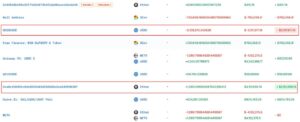
The hackers rapidly converted the tokens in the pool into ETH and moved them across the Ethereum network with high liquidity. On-chain analyses reveal that the attackers used an MEV (Maximal Extractable Value) producer address to obscure their transactions and make tracking more difficult. While this method allows funds to be moved quickly and discreetly in DeFi attacks, it also significantly complicates tracing and investigation efforts for security researchers.
After the attack, the ETH was distributed to two main wallets:
- Wallet 1: 1,023 ETH (~$3.3 million)
- Wallet 2: 276 ETH (~$880,000)
This once again demonstrates the critical importance of security for liquidity pools and smart contracts on DeFi platforms.
The Makina Finance hack once again highlights the need for continuous audits and robust security measures in DeFi projects. To protect user funds, platforms must regularly update smart contract code, prepare in advance for potential attack scenarios, and tighten their risk management protocols requirements that are now more critical than ever.
These measures not only help build investor confidence, but also play a vital role in maintaining the long-term sustainability of the DeFi ecosystem, market stability, and overall trust in the sector. In addition, effective use of blockchain and on-chain analytics enables more proactive defenses against attacks and transparent tracking of fund movements.
Investor Warning
While Makina Finance has not yet released an official statement, it is crucial for investors to exercise extreme caution when allocating funds to DeFi liquidity pools. On-chain data and security reports not only help anticipate potential losses, but also provide valuable insights into which pools may be safer and which strategies carry higher risk. Such data serves as an important guide for protecting funds, monitoring liquidity flows, and taking precautions against possible attacks. Moreover, constantly evolving threats and smart contract vulnerabilities in the DeFi ecosystem make it essential for investors to treat risk management as a top priority.3
Also, you can freely share your thoughts and comments about the topic in the comment section. Additionally, please follow us on our Telegram, YouTube and Twitter channels for the latest news and updates.