

 Emre Yumlu
Despite strong public signals from U.S. President Donald Trump in support of crypto regulation, comprehensive legislation designed to define the structure of the crypto market is struggling to move forward in Congress. Recent developments highlight a growing disconnect between executive ambition and the realities of the legislative process.
According to Bloomberg-sourced reporting, the Senate Banking Committee’s decision to shift its focus toward Trump’s housing affordability initiative has likely pushed consideration of the crypto market structure bill into late February or March.
Trump’s Davos Crypto Message: Urgency from the White House
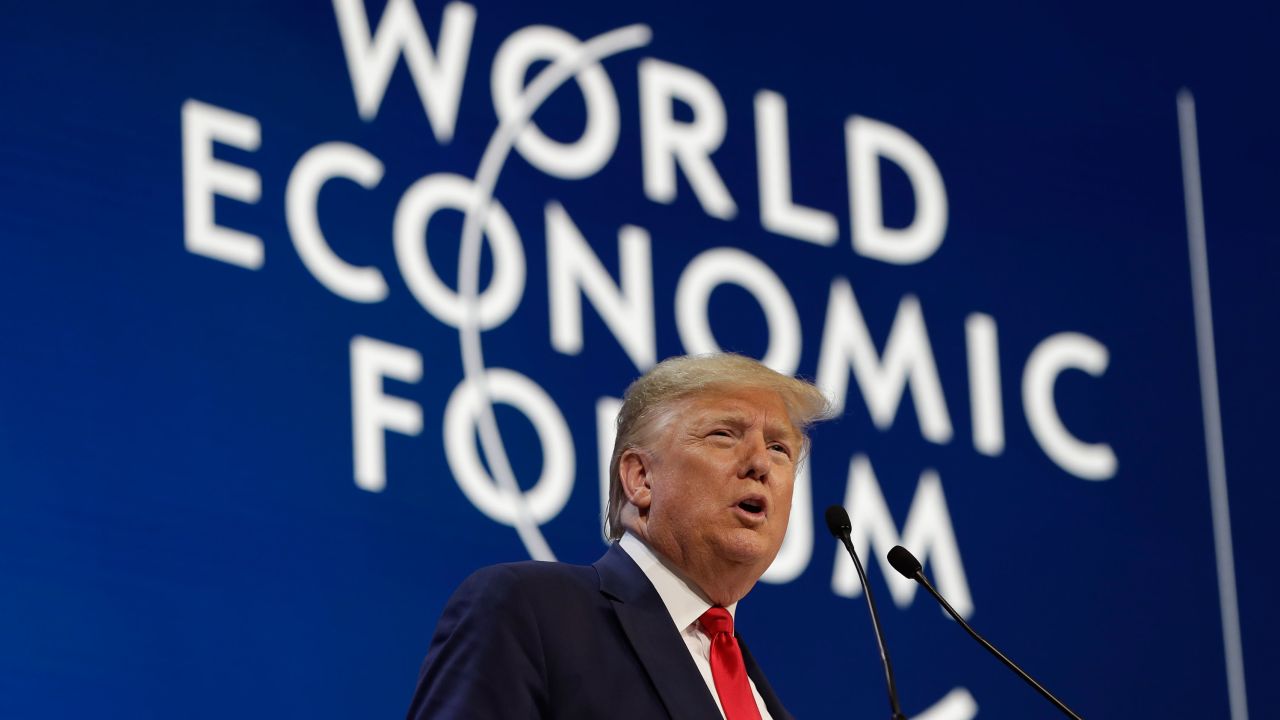
Speaking at the World Economic Forum in Davos, President Trump expressed optimism that crypto market structure legislation could be signed into law “very soon.” He emphasized that Congress is actively working on the issue and briefly departed from his prepared remarks to underscore his point, adding, “Bitcoin — all of them.”
The timing of the statement was notable. It came only days after the Senate Banking Committee abruptly canceled a scheduled markup session for the bill. Viewed in context, Trump’s remarks appeared to be a direct attempt to apply public pressure on lawmakers to accelerate the process.
A Split Legislative Path for Crypto: Two Committees, One Framework
The proposed crypto market structure framework is advancing through two separate Senate committees, each responsible for different regulatory domains:
-
The Senate Banking Committee, which oversees securities regulation and broader financial policy
-
The Senate Agriculture Committee, which handles commodity markets and CFTC jurisdiction
For the legislation to reach the Senate floor, both committees must pass their respective bills and reconcile them into a single, unified framework.
Progress, however, has been uneven. The Banking Committee postponed its planned markup after Coinbase withdrew its support for the bill. In the following week, the committee redirected its attention toward housing policy, delaying crypto-related discussions further. As a result, the earliest realistic window for revisiting the bill now appears to be late February or March.
In contrast, the Agriculture Committee has continued moving forward. Chairman John Boozman released the text of the Digital Commodity Intermediaries Act and confirmed that a markup session is scheduled for January 27. Still, Boozman acknowledged that bipartisan negotiations with Senator Cory Booker failed to produce an agreement.
The Central Dispute: Stablecoin Yield
At the heart of the legislative impasse lies a dispute over stablecoin yield.
Under the GENIUS Act, signed by President Trump last year, stablecoin holders are permitted to earn rewards or yield — effectively interest-like returns. In some cases, these yields can surpass those offered by traditional bank deposits.
This has triggered strong opposition from banking industry lobbyists, who are pushing lawmakers to restrict or eliminate stablecoin yield provisions in the new market structure bill.
Coinbase has drawn a firm line on this issue. CEO Brian Armstrong announced that the company withdrew its support for the legislation precisely because of these proposed restrictions, stating that “no bill is better than a bad bill.”
In comments delivered during the Davos forum, Armstrong accused banking associations of attempting to suppress competition, arguing that such efforts run counter to fundamental American principles.
White House Pushback Against Industry Resistance
Coinbase’s stance prompted a sharp response from the Trump administration. Patrick Witt, executive director of the president’s digital assets council, publicly criticized Armstrong’s position.
Witt emphasized that the current pro-crypto regulatory environment exists largely because of Trump’s electoral victory and policy direction. He warned that resistance from within the crypto industry itself could undermine a rare opportunity to establish a favorable regulatory framework, potentially resulting in serious long-term consequences.
Lawmakers Warn of a Narrow Window
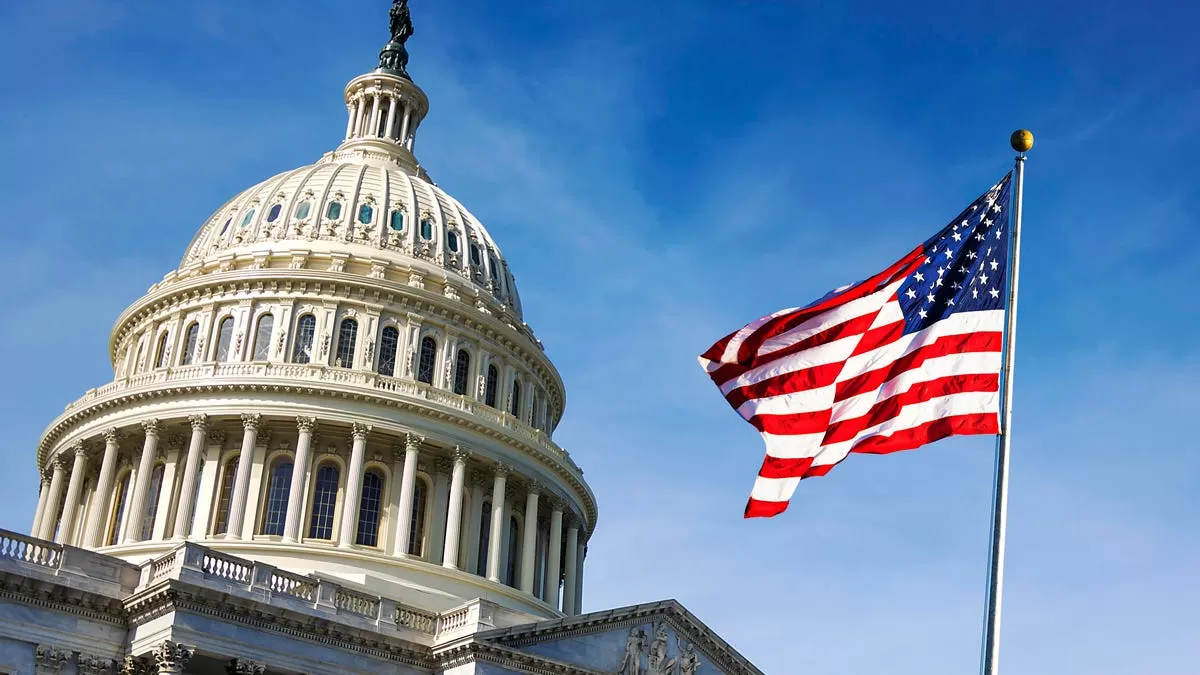
Frustration is growing among legislators as the bill stalls. Senator Cynthia Lummis, a long-time crypto advocate who is set to retire next year, openly expressed disappointment with the pace of progress and noted that time is running out to finalize meaningful legislation.
Industry leaders share similar concerns. Blockchain Association CEO Peter Smith cautioned that failure to pass the bill now could push the issue beyond the upcoming midterm elections, effectively delaying comprehensive regulation by at least two more years.
Representative William Timmons highlighted the economic stakes, arguing that a clear and competitive regulatory framework could bring tens of billions of dollars back into the U.S. crypto sector. Without it, he warned, crypto innovation and capital may continue migrating overseas.
Markets Move Faster Than Lawmakers
While Congress debates, financial markets are already adapting. The New York Stock Exchange recently announced plans to launch a blockchain-based platform for tokenized securities, offering instant settlement and around-the-clock trading.
Senator Thom Tillis pointed to developments like these as evidence that crypto is no longer a peripheral issue. In his view, maintaining the United States’ leadership in global finance now requires getting crypto regulation right, as digital assets are becoming an integral component of modern banking systems.
What Happens Next?
The current landscape reveals clearly defined positions:
-
The Trump administration is pushing for rapid passage
-
Coinbase considers restrictions on stablecoin yield a non-negotiable red line
-
Banking lobbyists remain committed to keeping those restrictions in place
Although the Agriculture Committee appears set to advance its bill, a complete market structure framework cannot materialize without action from the Banking Committee. Ultimately, the unresolved conflict over stablecoin yield will determine whether the legislation moves forward — or stalls indefinitely.
What is increasingly clear is that time is becoming a critical factor. Each delay raises the risk that the United States could lose its competitive edge in shaping the future of global crypto markets.
You can also freely share your thoughts and comments about the topic in the comment section. Additionally, don’t forget to follow us on our Telegram, YouTube, and Twitter channels for the latest news and updates.