

 Emre Yumlu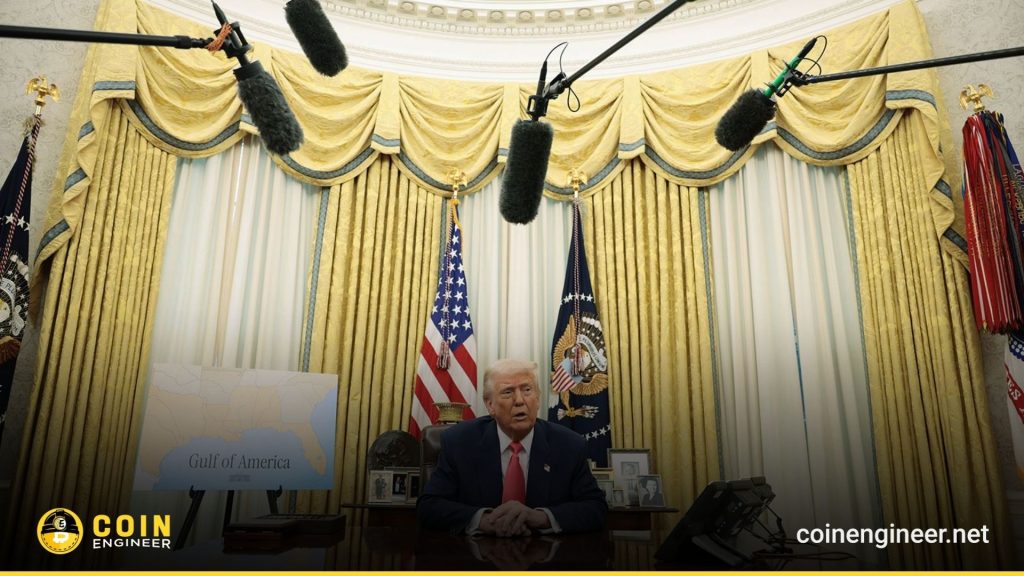
US President Donald Trump has launched a high-profile legal battle against JPMorgan Chase, one of the largest banks in the United States. Filed in a Florida state court, the lawsuit alleges that the bank unlawfully terminated accounts linked to Trump and his business entities, prompting a demand for $5 billion in damages. The case has reignited the ongoing debate around so-called “debanking” practices in the US financial system.
Allegations of Abrupt Account Termination
According to Trump’s legal claims, JPMorgan closed several accounts associated with him in the weeks following the January 6, 2021, attack on the US Capitol. Trump argues that these actions were taken without prior notice or justification, violating fundamental principles of commercial conduct and good faith.
The lawsuit accuses JPMorgan of harming Trump’s commercial reputation and breaching implied contractual obligations. Additionally, JPMorgan CEO Jamie Dimon is named personally, with allegations that he violated Florida laws governing deceptive and unfair trade practices.
JPMorgan Pushes Back Against Political Motive Claims
JPMorgan has strongly rejected the allegations, describing the lawsuit as unfounded. A spokesperson for the bank stated that JPMorgan does not close accounts based on political affiliation or religious beliefs.
Jamie Dimon has previously addressed similar accusations from other sectors, noting that the bank has terminated accounts across a wide range of political and religious backgrounds. He has consistently maintained that such decisions are driven by risk management and compliance considerations rather than ideology.
What is Trump Argument?
A central element of Trump’s argument is the assertion that his public commentary surrounding the January 6 events influenced JPMorgan’s decision-making. Trump has repeatedly claimed that the 2020 presidential election was manipulated and characterized the Capitol breach as a justified response.
Trump ultimately lost that election to Joe Biden by a margin of 74 electoral votes, a fact that remains relevant to the broader political context surrounding the lawsuit.
Debanking Concerns Extend Beyond Trump
While the lawsuit directly targets JPMorgan, it is widely seen as part of a broader struggle over access to financial services in the United States. In recent years, executives in the cryptocurrency and technology sectors have voiced concerns that banks are systematically denying services to certain industries or individuals.
This phenomenon has become widely known as “Operation Chokepoint 2.0,” a term used to describe what critics believe is a coordinated effort to limit banking access for crypto-related businesses and politically controversial figures.
Growing Political Pressure and Regulatory Scrutiny
Throughout 2024, more than 30 technology and crypto executives publicly claimed they had been debanked, pushing the issue further into the political spotlight. In response, Trump signed an executive order in August directing US regulators to investigate alleged politicized or unlawful debanking practices and propose safeguards to prevent them.
Republican lawmakers have also urged that the market structure legislation under review in the US Senate explicitly address debanking concerns. Even before the end of the Biden administration in January 2025, Republican officials were calling for formal investigations into banking restrictions affecting the crypto industry.
A Defining Case for Finance and Politics
Trump’s lawsuit against JPMorgan represents more than a dispute over closed accounts. It highlights a deeper conflict at the intersection of law, politics, and financial access in the United States. The outcome could have far-reaching implications, not only for traditional banking institutions but also for crypto companies and other industries that rely on stable access to the financial system.
As the case moves forward, it may help define where banks’ risk discretion ends and where allegations of political or ideological discrimination begin.
You can also freely share your thoughts and comments about the topic in the comment section. Additionally, don’t forget to follow us on our Telegram, YouTube, and Twitter channels for the latest news and updates.