

 Emre Yumlu
Uncertainty is once again building across the cryptocurrency market, and attention is shifting back to stablecoins. In particular, the recent contraction in the market capitalization of Tether (USDT), the largest stablecoin by supply, is raising questions among investors. Notably, this marks the first time since the 2022 Terra LUNA collapse that USDT has recorded consecutive monthly declines.
Two Consecutive Months of Contraction on Tether (USDT)
Recent data shows that Tether (USDT)’s market capitalization fell by approximately 0.8% in February, declining to $183.6 billion. This follows a roughly 1% drop in January. The back-to-back decrease suggests a meaningful shift in market behavior.
In stablecoin markets, a shrinking supply often indicates that investors are redeeming their tokens with the issuer in exchange for U.S. dollars. In practical terms, this signals capital exiting the crypto ecosystem rather than entering it. While the declines are modest in percentage terms, consecutive contractions in the largest liquidity vehicle in crypto markets tend to draw heightened scrutiny.
Parallels to the 2022 LUNA Crisis
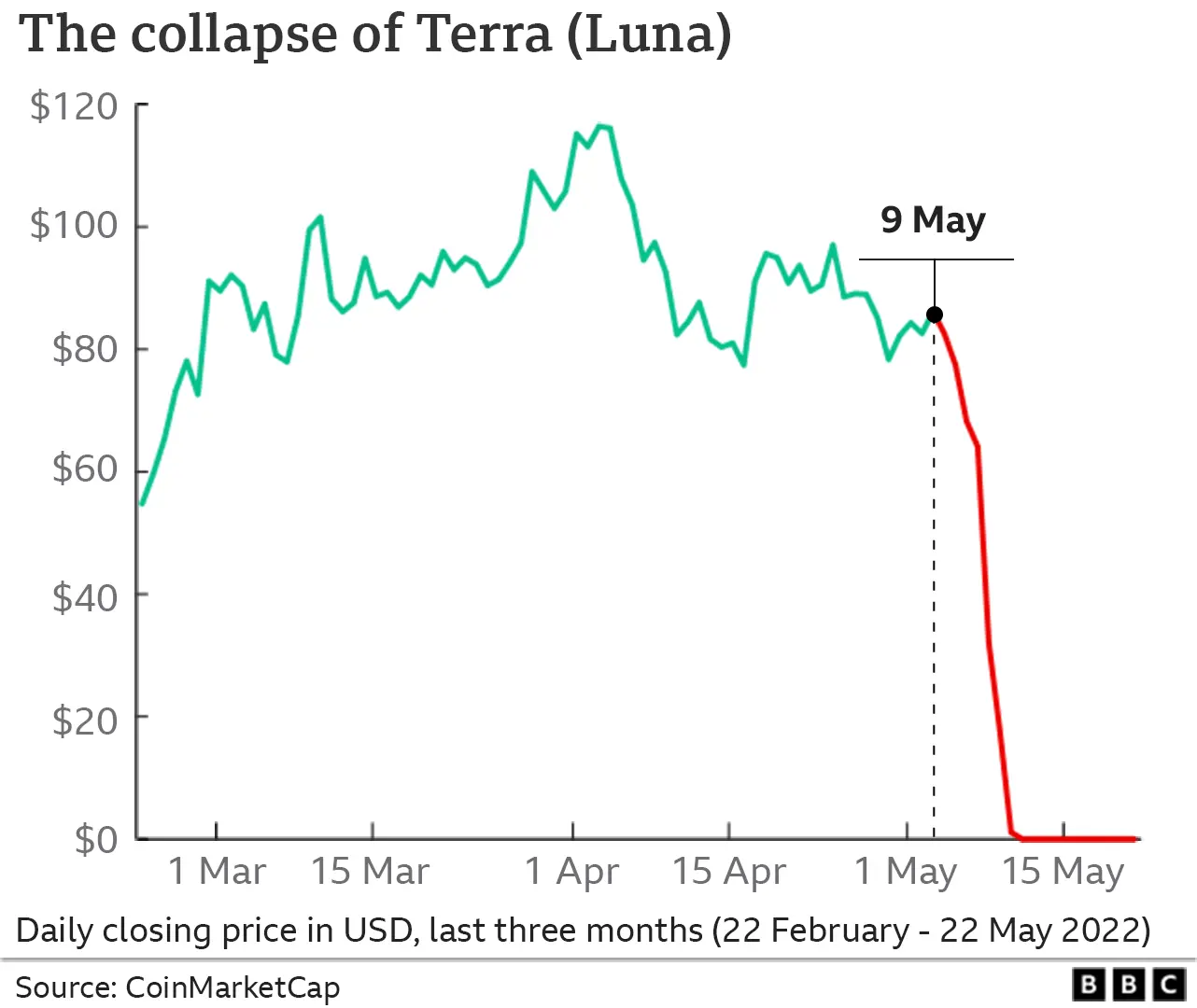
A similar pattern emerged in 2022 following the collapse of the Terra LUNA ecosystem. During that period, Bitcoin fell dramatically—from around $48,000 at the end of March to nearly $17,000 by June—marking one of the most severe downturns in its history. The reduction in stablecoin supply at that time reflected eroding investor confidence and accelerating capital outflows.
Today, market conditions once again appear fragile. Bitcoin recently dropped to $60,000 at the beginning of the month before staging a modest recovery. However, ongoing geopolitical tensions and broader macroeconomic uncertainty continue to weigh on sentiment. The Crypto Fear and Greed Index hovering near historic lows underscores the cautious mood among market participants.
Why Stablecoins Matter
Stablecoins function as the primary liquidity gateway within crypto markets. USDT, in particular, serves as the dominant base trading pair across exchanges. Any contraction in its supply can therefore signal weakening demand for digital assets and reduced risk appetite.
A sustained decline in stablecoin issuance may limit buying power in the market, potentially amplifying downside pressure if selling accelerates.
Not Just Tether
The trend is not isolated to USDT. USDC, the second-largest stablecoin, has also shown limited growth this year. After declining to around $70 billion in January, its supply recovered toward $75 billion but has not demonstrated strong expansion. It is worth recalling that in March 2023, amid U.S. banking turmoil, USDC temporarily lost its dollar peg, falling as low as $0.80.
Taken together, the lack of stablecoin growth suggests a cautious investment climate. Whether this develops into broader market stress or stabilizes in the coming months will be a key factor in determining the next major move in crypto markets.
Additionally, you can share your opinions in the comments about the topic. Also, follow us on Telegram, Twitter, and YouTube for more content like this.