

 Yeliz Akmaca
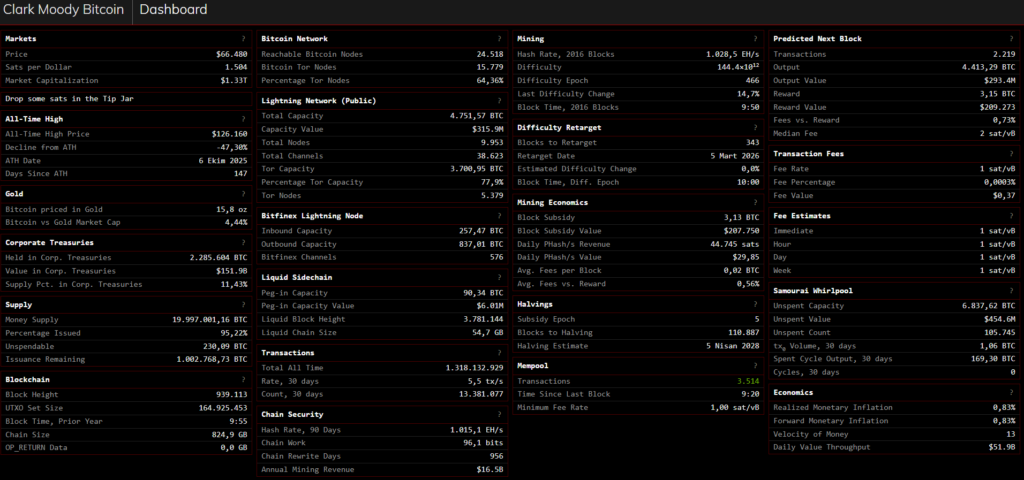
Bitcoin circulating supply is reaching a critical milestone. Currently, it’s approaching 20 million BTC, with over 95% of the fixed 21 million coins already in circulation. The final one million Bitcoins will take roughly 114 years to be mined, reinforcing Bitcoin’s scarcity narrative and signaling a long-term shift to a transaction-fee-based revenue model for miners.
Supply Milestone and Miner Data
According to Clark Moody, 19,996,979 BTC have been mined so far—leaving just 3,000 BTC to reach the 20 million mark. At the current mining rate, the 20 millionth coin is expected within about seven days. The total supply is projected to reach 99% by January 2035.
Halving events have slowed down issuance. Daily mining yields around 450 BTC, keeping inflation below 1%. Some miners are already watching transaction fees closely; future revenue will depend largely on them. The final Bitcoin is expected around 2105, while fractional BTC mining will continue until roughly 2140.
Limited Supply and Deflationary Structure
Bitcoin’s most defining feature is its limited supply, which sets it apart from other currencies. Traditional money can be printed endlessly; Bitcoin cannot. Its protocol enforces a rigid monetary policy.
This scarcity gives Bitcoin a unique position in the financial world. Satoshi Nakamoto deliberately capped total supply at 21 million. This ensures Bitcoin’s total coins never exceed that limit, creating a naturally deflationary structure similar to the scarcity of precious metals. Investors see it as a strong hedge against inflation, entirely immune to central bank or government interference.
Circulating Bitcoin and Supply Reality
To understand circulating Bitcoin, we must consider mining mechanisms. Since 2009, mining history—including halving events, reward mechanisms, and technological developments—has shaped supply. Economic fluctuations and investor interest also directly impact circulation.
Lost coins further tighten effective supply. Chainalysis estimates that 2–4 million BTC are gone forever, from forgotten wallet keys to damaged hard drives. One famous 2013 example: a miner threw away a disk with 8,000 BTC, now worth around $500 million. These accidental losses deepen Bitcoin’s scarcity story.
10-Minute Block Production and Monetary Policy
The Bitcoin network is designed to produce a new block roughly every 10 minutes. Miners earn new BTC as rewards. Coins enter circulation gradually, keeping inflation balanced.
The 10-minute interval ensures both transaction verification and network security. Blockchain has remained reliable and efficient for years, forming the backbone of Bitcoin’s monetary policy and supporting its scarcity narrative.
Market Reactions and Risk Factors
Falling U.S. stocks and rising oil prices pushed Bitcoin below $67,000. Markets remain uncertain, with some trading desks almost idle. Risk-aversion is increasing, and investors are turning to the dollar.
Crypto stocks like Coinbase and Galaxy Digital fell about 2%. The U.S. dollar index crossed 99, and Treasury yields approached 4.1%. Oil holds above $74 per barrel, while gold stays near $5,300 per ounce and silver dropped around 4% to $85.
You can also freely share your thoughts and comments about the topic in the comment section. Additionally, don’t forget to follow us on our Telegram, YouTube, and Twitter channels for the latest news and updates.