

 Emre Yumlu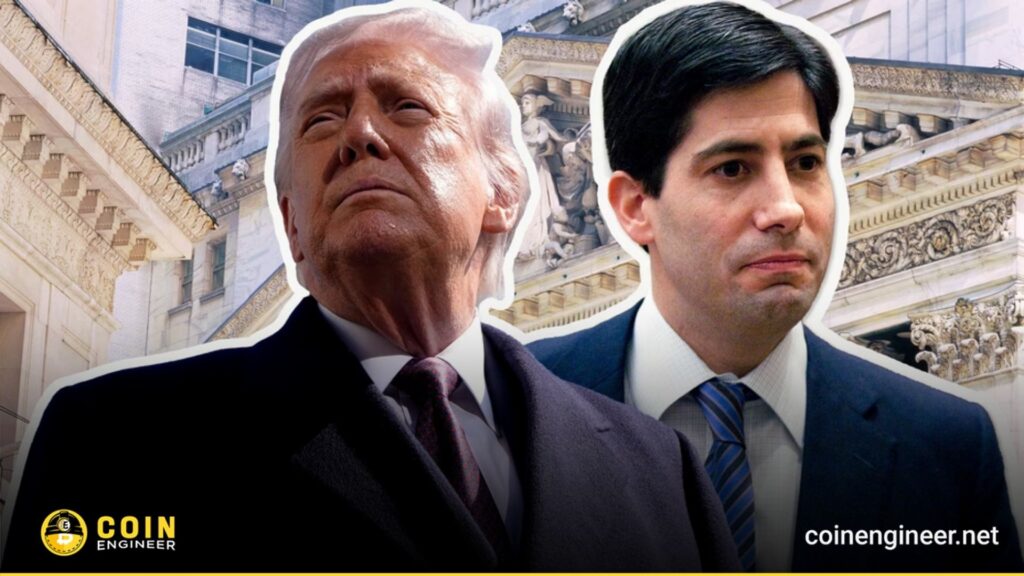
A notable development has emerged in the United States regarding the future leadership of monetary policy. President Donald Trump has formally submitted the nomination of Kevin Warsh to the Senate to become the next Chair of the Federal Reserve. Trump had previously indicated through social media that Warsh was his preferred candidate, and the official submission has now initiated the confirmation process.
According to a notice from the White House, Warsh has been nominated to serve a four-year term as Chair of the Federal Reserve’s Board of Governors. In addition, the nomination proposes a 14-year term for Warsh as a member of the Fed’s governing board. If confirmed by the Senate, he would replace current Fed Chair Jerome Powell.
Debate Over a Potential New Era at the Fed with Warsh
Jerome Powell’s term as Federal Reserve Chair is scheduled to end on May 15. However, Powell’s position as a member of the Board of Governors extends until January 31, 2028. Although Trump has previously criticized Powell and even suggested removing him, current expectations indicate that Powell will complete his chairmanship term.
Warsh’s nomination has already sparked discussion about the future direction of U.S. monetary policy. Several Democratic lawmakers have expressed concerns about preserving the Federal Reserve’s institutional independence. Senate Democratic leader Chuck Schumer emphasized that Warsh must clearly demonstrate his commitment to maintaining the Fed’s autonomy from political pressure before his nomination moves forward.
Kevin Warsh’s Perspective on Bitcoin
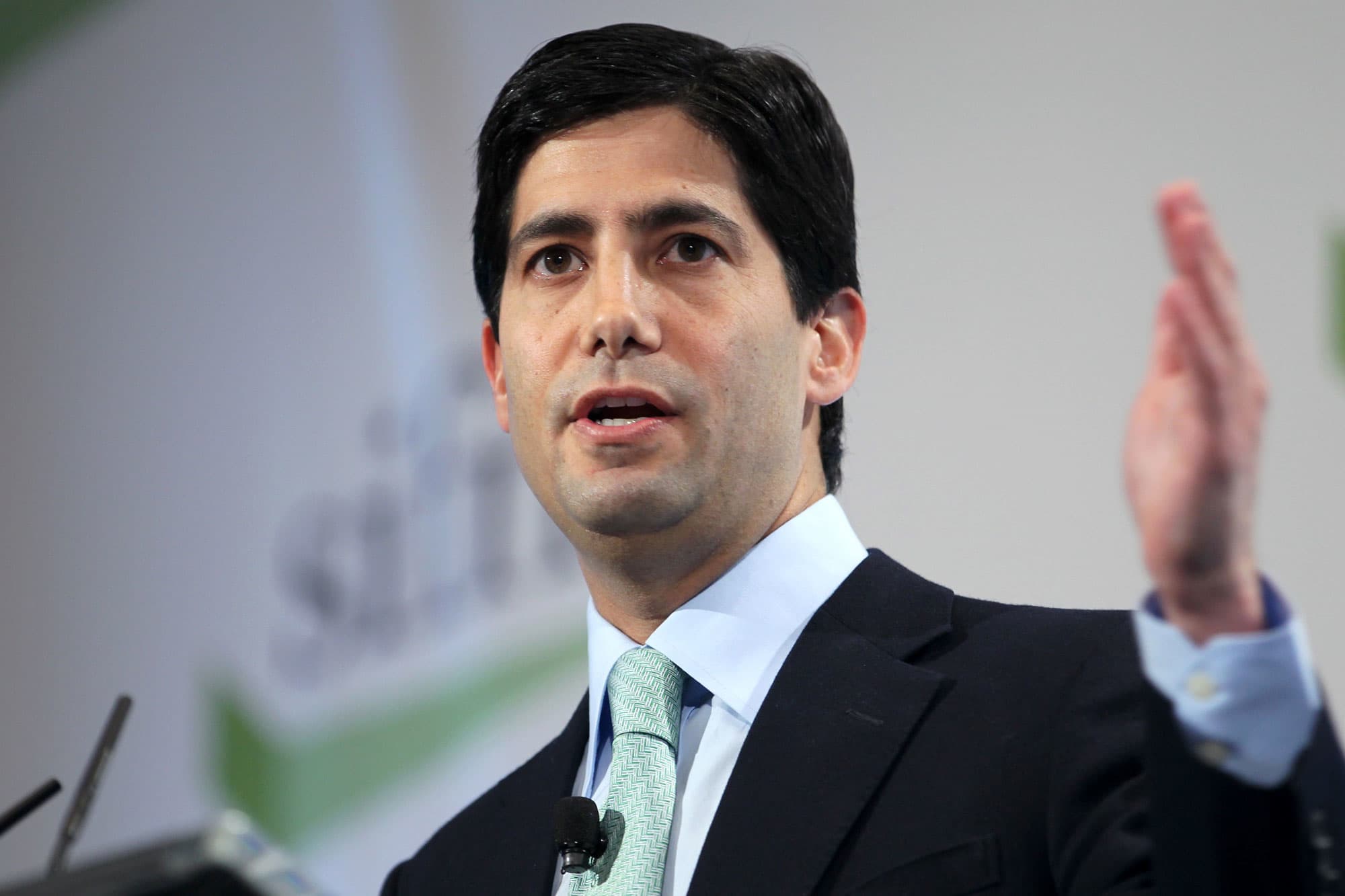
Kevin Warsh previously served as a Federal Reserve governor between 2006 and 2011 during the administrations of Presidents George W. Bush and Barack Obama. After leaving the central bank, he continued his work in economics as a fellow at Stanford University’s Hoover Institution.
Warsh has drawn attention in recent years for his relatively open stance toward Bitcoin. In a 2021 interview with CNBC, he remarked that while gold has historically been the dominant store of value, younger generations increasingly view Bitcoin as a modern alternative. In a later discussion in 2025, he suggested that cryptocurrencies could contribute to market discipline by signaling when economic policies may require adjustment.
He has also indicated that Bitcoin can serve as a useful reference point for policymakers, potentially providing feedback about the effectiveness of monetary and economic decisions.
Senate Approval and Broader Regulatory Context
The timeline for a Senate vote on Warsh’s nomination has not yet been announced, but the process is expected to attract significant political scrutiny.
At the same time, developments within U.S. financial regulatory institutions are drawing attention. The Commodity Futures Trading Commission currently operates with only one confirmed leader, Chair Michael Selig, who took office in December. The agency normally has five commissioners, yet additional nominations have not been submitted.
As lawmakers in Washington continue debating comprehensive legislation on digital asset market structure, the CFTC could eventually gain broader authority over the regulation of crypto markets in the United States.
You can also freely share your thoughts and comments about the topic in the comment section. Additionally, don’t forget to follow us on our Telegram, YouTube, and Twitter channels for the latest news and updates.