

 Emre Yumlu
Global commodity markets are experiencing strong price movements as geopolitical tensions intensify. Recent developments in the Middle East, particularly surrounding Iran, have created significant volatility across energy and precious metal markets. As uncertainty grows, investors are increasingly shifting toward traditional safe-haven assets such as gold and silver, while oil prices are also climbing sharply due to concerns about potential supply disruptions.
Rising Middle East Tensions Impact Energy Markets
Political rhetoric and military tensions in the Middle East have significantly increased pressure on global energy markets. U.S. President Donald Trump recently stated that any agreement with Iran would require “unconditional surrender,” a comment that further escalated regional tensions.
In response, statements from Iran’s Revolutionary Guard have drawn attention to the strategic importance of the Strait of Hormuz, a critical route for global oil shipments. The possibility of disruptions in this narrow maritime corridor has raised concerns among market participants.
Reports indicate that tanker traffic in the region has slowed considerably. Visual data shared by Reuters suggests that more than 200 vessels have been waiting near the strait, with crossings occurring less frequently than usual. Such developments have heightened fears regarding potential interruptions to global oil supply.
Oil Prices Jump Sharply
Growing geopolitical risk has quickly translated into higher oil prices. Over the past 24 hours, oil has surged by 10.71 percent, reaching a price of 93.33 dollars per barrel.
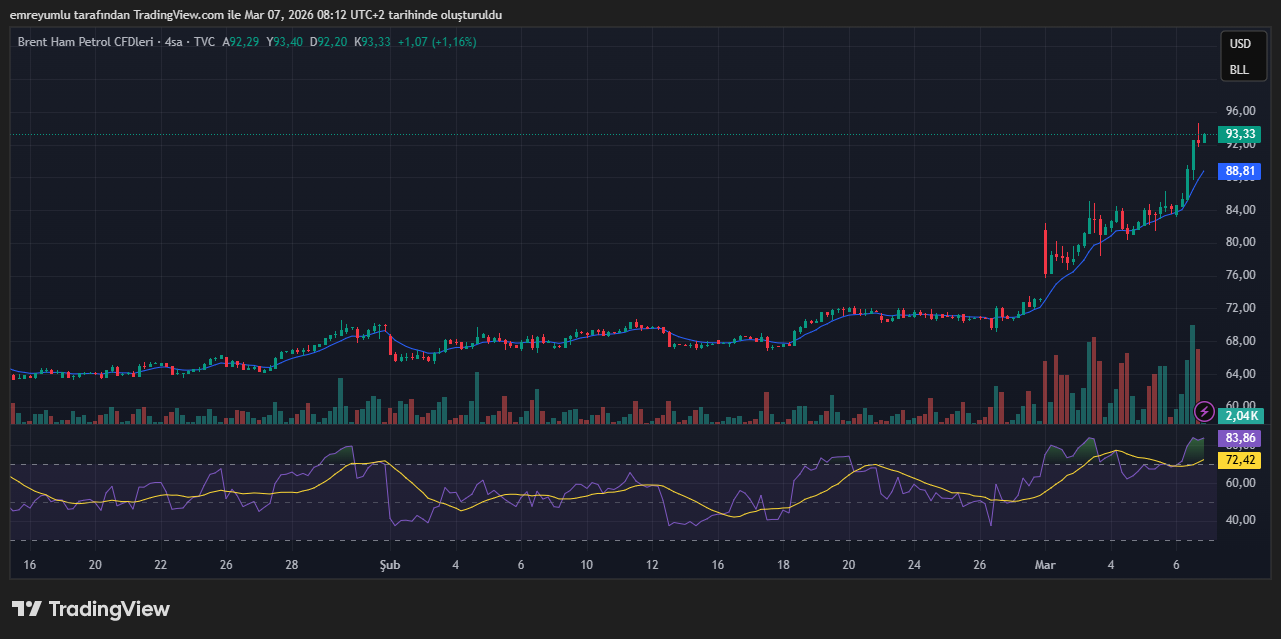
The sharp increase is largely attributed to the strategic significance of the Strait of Hormuz. A large portion of the world’s oil exports passes through this corridor, meaning any disruption in the region could have a direct and immediate effect on global supply chains. As a result, traders are closely monitoring developments for signs of further escalation.
Precious Metals Gain from Safe-Haven Demand
Periods of geopolitical uncertainty typically drive investors toward assets perceived as stable stores of value. This dynamic has been clearly visible in precious metal markets.
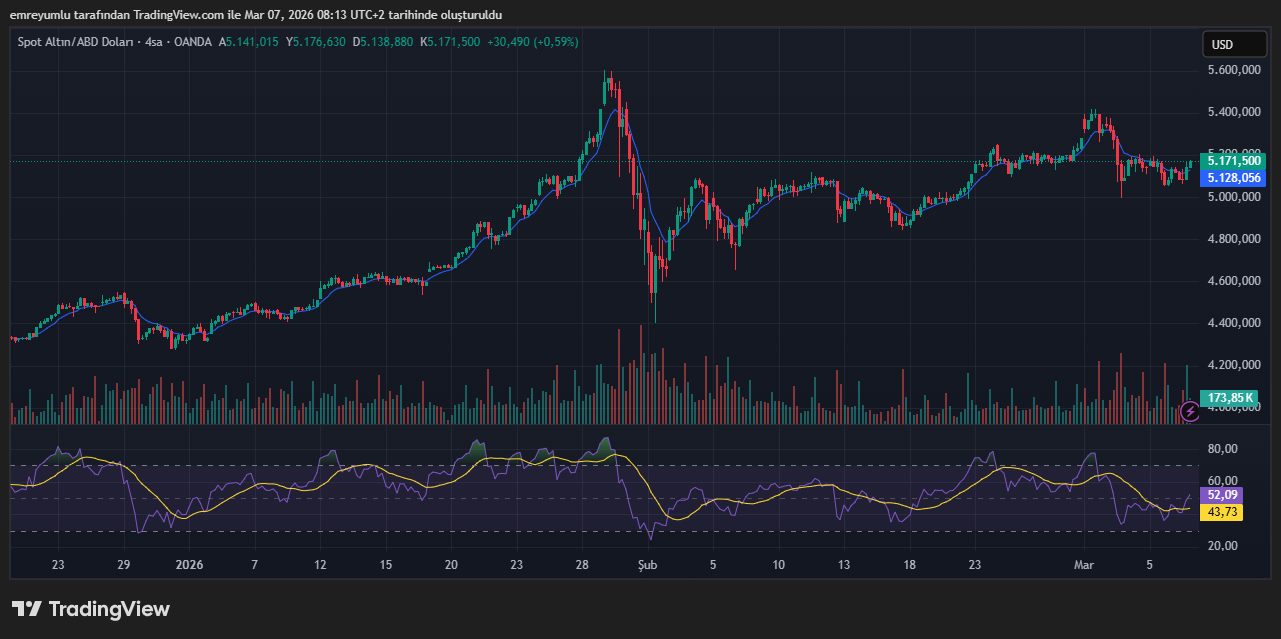
Gold prices have risen by 1.77 percent in the past 24 hours, reaching 5,171 dollars.
Silver has also moved higher, gaining 2.68 percent and climbing to 84.44 dollars during the same period.
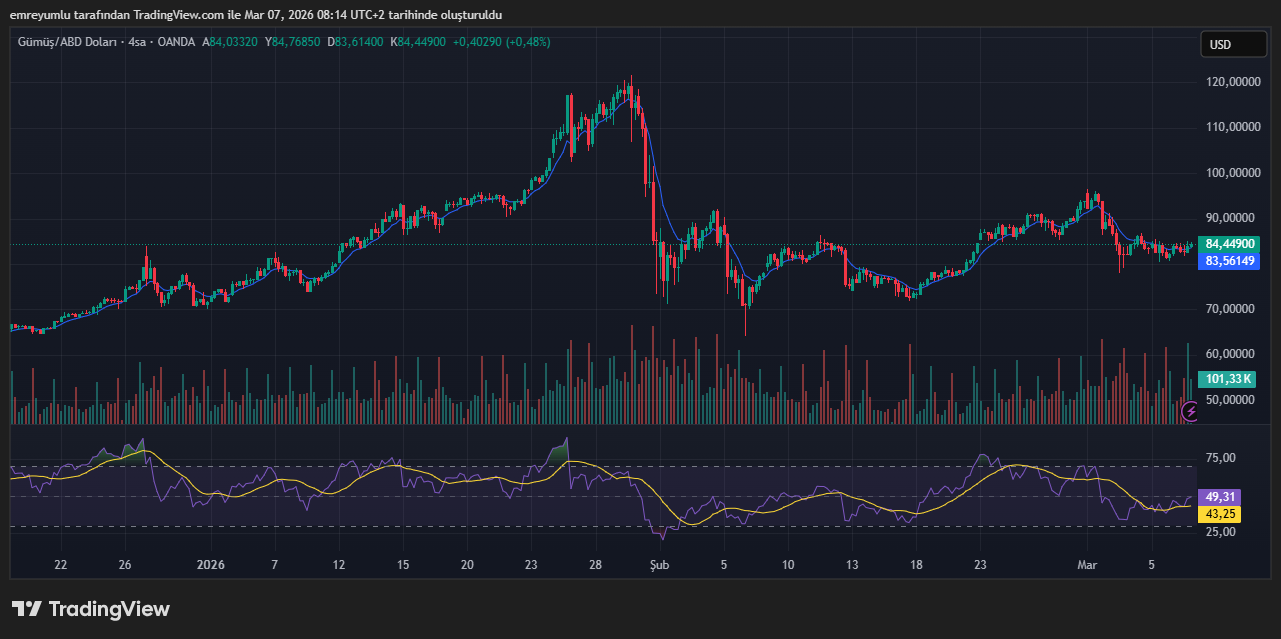
The continued upward momentum in these metals reflects heightened risk perception across financial markets, as investors look to hedge against instability and market volatility.
Weak U.S. Employment Data Adds Economic Concerns
Economic data from the United States has added another layer of uncertainty to global markets. The latest non-farm payroll report for February showed a decline of 92,000 jobs, significantly below the market expectation of 58,000. The previous reading had indicated job growth of 130,000.
Meanwhile, the unemployment rate increased slightly to 4.4 percent, compared with both the forecast and previous level of 4.3 percent.
The weaker-than-expected employment data has raised questions about the pace of economic growth in the United States and has contributed to a more cautious tone among investors.
The Financial Cost of the Iran Conflict
Beyond market reactions, the potential economic burden of military operations involving Iran is also drawing attention. While the Pentagon has not released an official estimate, analysis from a Washington-based policy institute suggests that the daily cost of the operation could reach approximately 891.4 million dollars.
According to the same analysis, the total cost could climb to as much as 95 billion dollars depending on how long the operation continues. Current projections mentioned by U.S. officials range from two weeks to six weeks, though the exact timeline remains uncertain.
As geopolitical tensions persist, global investors continue to watch both political developments and economic indicators closely. These factors are expected to remain key drivers of commodity prices, particularly in the energy and precious metals sectors.
You can also freely share your thoughts and comments about the topic in the comment section. Additionally, don’t forget to follow us on our Telegram, YouTube, and Twitter channels for the latest news and updates.