

 Emre Yumlu
Recent volatility in the cryptocurrency market has reignited debate about whether Bitcoin has entered another deep bear market phase. Several market analysts argue that current cycle dynamics and investor behavior suggest the possibility of further downside in the coming years. According to these projections, Bitcoin could face an additional decline of up to 30% during 2026 before the market stabilizes and begins another long-term recovery phase.
Sharp Pullback After Record High
Bitcoin reached a historic peak in October last year when the price climbed above $126,000. Since that record level, however, the market has experienced a significant correction. At present, Bitcoin is trading around $68,000, indicating that the asset has lost nearly half of its value from its all-time high.
Many analysts view this decline not as an isolated event but as part of a broader and recurring market pattern. Historically, Bitcoin has gone through powerful bull runs followed by extended correction periods. These phases often reflect shifts in market sentiment, liquidity conditions, and investor positioning.
Understanding the Four-Year Bitcoin Cycle
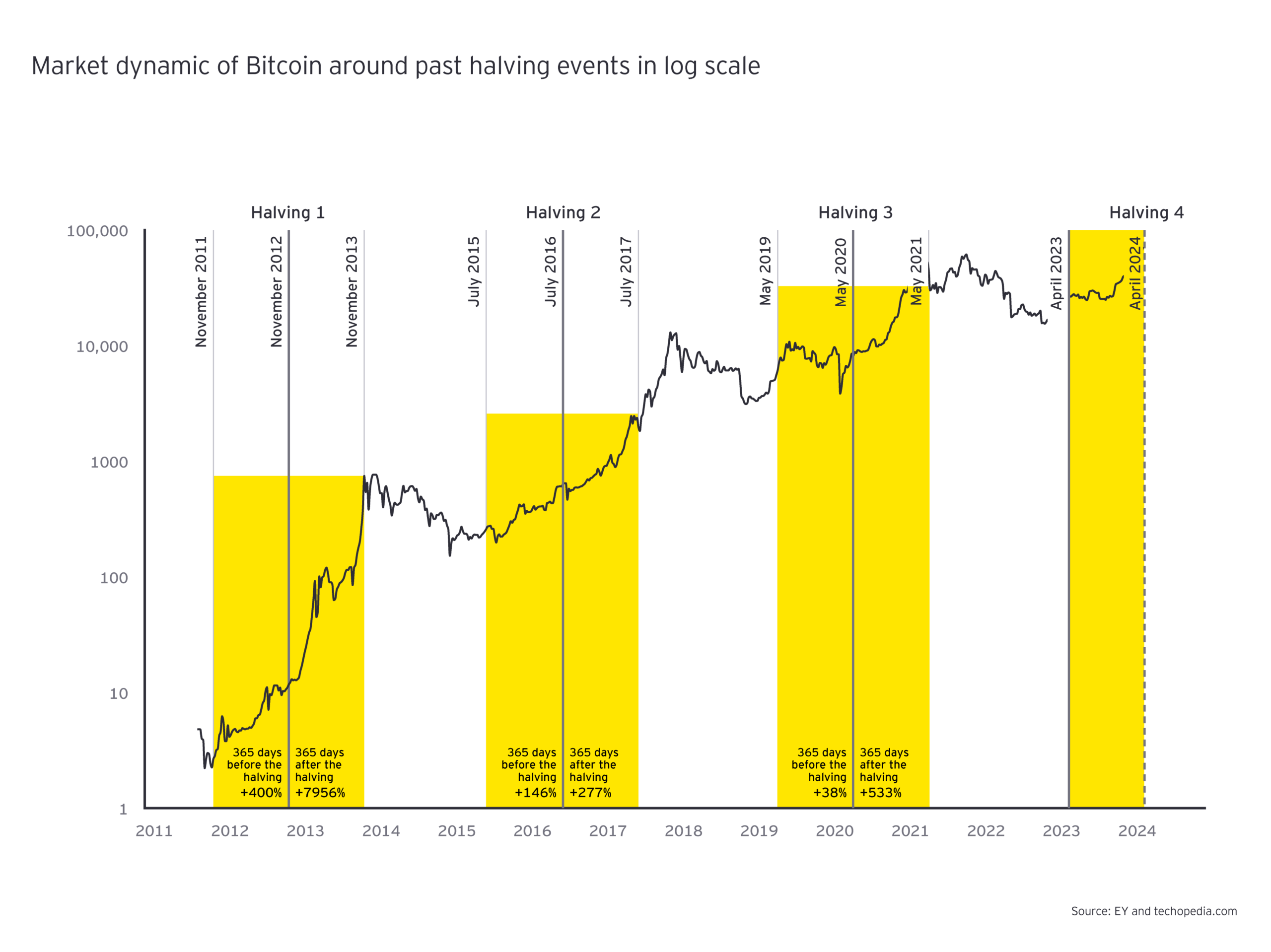
One of the most frequently discussed frameworks for interpreting Bitcoin’s price movements is the so-called “four-year cycle.” This model centers around the Bitcoin halving, a programmed event that reduces the mining reward by half roughly every four years.
The most recent halving took place in April 2024. After that update, the reward for mining each block dropped to 3.125 BTC. When Bitcoin first launched, miners received 50 BTC per block, but successive halvings have gradually reduced the issuance rate.
Historical patterns suggest that Bitcoin prices often reach a peak roughly 16 to 18 months after a halving event. Following this peak, the market typically enters a bear phase that can last around a year. The October peak observed last year fits closely within that historical timing.
Investor Psychology Reinforces the Pattern
A key factor behind the persistence of the four-year cycle may be investor psychology. Retail participants often behave in predictable ways, entering the market aggressively during periods of hype and selling rapidly when prices begin to decline.
These behavioral patterns reinforce the boom-and-bust dynamics that have characterized the crypto market for more than a decade. As a result, some analysts continue to argue that Bitcoin still behaves more like a speculative asset than a traditional safe-haven store of value such as gold.
Institutional Participation Still Limited
Although institutional interest in digital assets has increased in recent years, its overall influence on the crypto market remains relatively modest. The combined size of cryptocurrency exchange-traded funds and companies holding digital assets as treasury reserves is estimated to represent only about 10% of the total crypto market.
Another potential risk comes from companies that hold Bitcoin on their balance sheets. If market conditions deteriorate further, some of these firms may need to liquidate their holdings in order to meet debt obligations. Such selling pressure could intensify the downward trend and prolong the bear market.
Given these factors, many market observers believe the current crypto downturn may not yet be finished. The next major recovery phase could take time to develop as the market works through the remaining stages of the cycle.
You can also freely share your thoughts and comments about the topic in the comment section. Additionally, don’t forget to follow us on our Telegram, YouTube, and Twitter channels for the latest news and updates.