

 Haciyev Reşit
Long-term bond yields in Japan have risen at an extraordinary pace in recent days, drawing significant attention both within the country and in global markets. For Japan where negative interest rates and aggressive monetary easing have been in place for years—such a rapid surge in yields is highly unusual. This situation is increasing the tension between the BOJ’s current monetary policy and market realities while also strengthening investor perceptions of uncertainty.
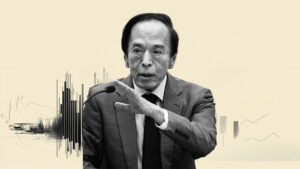
BOJ Governor Kazuo Ueda, speaking in parliament, emphasized that they are closely monitoring the sharp rise in yields and left the door open for intervention. Ueda stated:
“Long-term bond yields have increased very quickly recently. If this sharp rise turns into an abnormal deviation from the usual pace, we may intervene with measures such as bond purchases.”
The Most Critical Indicator for a Potential Rate Hike: Wages
Ueda stressed that the Bank of Japan’s policy decisions are not yet finalized and drew particular attention to wage increases within companies. Highlighting that wage dynamics are crucial for the inflation target, he said:
“We are still gathering data before the next policy meeting. The trend in corporate wage increases is very important. Adjustments to monetary easing will help us achieve our inflation target.”
Japan appears to be entering a new phase of monetary policy after many years of low inflation and ultra-loose monetary conditions, driven by rapidly rising prices and soaring bond yields. This marks the beginning of a critical period for both domestic markets and global finance.
Economic Dynamics Are Shifting: Government Expands, Markets Expect Tightening
The Japanese government recently approved a $135 billion support package. However, despite this expansionary step, rising inflation and record-breaking bond yields are reinforcing market expectations of monetary tightening.
This creates a contradictory outlook for Japan’s economy:
- The government is taking expansionary measures
- Data shows inflation continues to rise
- Markets expect the BOJ to shift toward tightening
December 19 BOJ Meeting Is Critical
Markets are now pricing in the possibility of a 25-basis-point rate hike at the Bank of Japan’s December 19 meeting. If this happens, Japan will officially mark the end of its long-running era of ultra-low interest rates. This expectation affects not only local markets but also global asset prices directly.
In particular, concerns about the unwinding of carry trade positions are seen as one of the main drivers behind declines in many asset classes in recent weeks including cryptocurrency markets. The BOJ’s upcoming rate decision, the rise in bond yields, and the inflation outlook are being closely watched worldwide. Ueda’s message that they “may intervene” signals that volatility will continue both in Japanese markets and across global risk assets.
You can also freely share your thoughts and comments about the topic in the comment section. Additionally, don’t forget to follow us on our Telegram, YouTube, and Twitter channels for the latest news and updates.