

 Haciyev Reşit
Bitcoin (BTC), the world’s largest cryptocurrency, is preparing to close the year in negative territory for the fourth time in its history. However, what truly concerns investors is not the decline itself, but the fact that it is happening without a massive scandal or collapse—despite a wave of overwhelmingly “positive” developments.
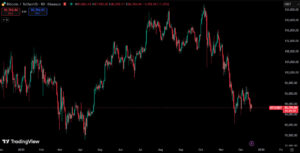
The tide has turned in the crypto markets. Following a sharp sell-off yesterday, Bitcoin fell 5.2% intraday, bringing its year-to-date loss to 7%. In previous years, investors could attribute declines to concrete disasters such as the FTX collapse or the Mt. Gox hack. The 2025 picture, however, is very different. With institutional adoption at record levels and strong political support from the U.S., this pullback creates a paradox that is difficult to explain through traditional market narratives.
Sharp Reversal from the Peak: How the $126,000 Dream Ended
In early October, Bitcoin surged above $126,000, reaching a new all-time high and delivering a strong sense of victory to investors. That peak, however, proved short-lived. The rapid pullback since then has crushed bullish expectations. What sets this decline apart from previous bear markets (2014, 2018, and 2022) is that the current macro environment is, in fact, crypto-friendly.
- Institutional Interest: Bitcoin ETFs have been approved and are actively trading.
- Political Support: U.S. President Donald Trump has openly backed the sector.
- Regulation: The legal framework is far more mature than in past cycles.
Despite all these catalysts, Bitcoin’s failure to hold its ground suggests that the problem lies not in external factors, but within the market’s internal dynamics.
Why Did Bitcoin Decouple While Stocks Hit Record Highs?
One of the most confusing signals for investors has been the breakdown in correlation between traditional markets and crypto. While the S&P 500 has risen 16% year-to-date, repeatedly setting new records, and technology stocks—often moving in tandem with Bitcoin—have rallied strongly, Bitcoin has failed to join the party.
Low trading volumes and continued outflows from Bitcoin ETFs indicate that capital is leaving crypto and flowing into equity markets perceived as more “secure.” Commenting on the situation, Apollo Crypto Portfolio Manager Pratik Kala captured the market’s confusion:
“The lack of strong follow-through despite so many positive catalysts has surprised many. Selling by older whales seriously dampened momentum. The industry got everything it wanted on the regulatory front—even staking ETFs—but the price failed to keep up.”
The Reality Behind the Scenes: ‘Old Whales’ and a Leverage Crisis
Although things may appear stable on the surface, data confirms significant internal weakness. Even massive purchases by Michael Saylor’s company Strategy (formerly MicroStrategy) were not enough to halt the decline. So what is really driving the market lower?
- $19 Billion in Liquidations: On October 10, a major liquidation event in leveraged positions exposed how fragile the rally truly was.
- Profit-Taking: As Pratik Kala noted, “old whales”—early investors who entered the market years ago—viewed the $126,000 level as an exit opportunity and sold aggressively.
Is History Repeating Itself? Comparing Past Crashes
Bitcoin has closed the year in the red three times before, each with a clear culprit:
- 2014 (-58%): The Mt. Gox hack and bankruptcy
- 2018 (-74%): The ICO bubble burst and regulatory pressure
- 2022: A chain of collapses including FTX, combined with aggressive rate hikes
While the current decline is smaller in percentage terms, its seemingly “cause-less” nature is having a deeper psychological impact on investors. Derivatives markets currently show little appetite for a short-term rebound.
Assessment
Bitcoin is experiencing one of the strangest bear phases in its history. Despite having regulatory clarity and political support—long considered the holy grail for the industry—the price action fails to reflect these advantages. As 2025 approaches, cautious waiting appears to be dominating market sentiment. The most critical question for investors now is this: Is this a buying opportunity, or the beginning of a deeper correction?
You can also freely share your thoughts and comments about the topic in the comment section. Additionally, don’t forget to follow us on our Telegram, YouTube, and Twitter channels for the latest news and updates.