

 Haciyev Reşit
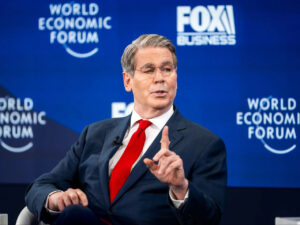
Key messages regarding the United States’ cryptocurrency policy came from the World Economic Forum (WEF) held in Davos, Switzerland. U.S. Treasury Secretary Scott Bessent shared important remarks in Davos that more clearly outlined Washington’s overall approach to Bitcoin and digital assets. Bessent emphasized that the U.S. has adopted a strategic framework toward the crypto ecosystem and stated that plans to create a strategic Bitcoin reserve remain on the agenda and have not been abandoned.
The U.S. Aims for Leadership in Crypto and Digital Assets
In his speech, Scott Bessent reaffirmed President Donald Trump’s goal of positioning the United States as a global leader in cryptocurrency and digital asset innovation. According to Bessent, the Washington administration aims to support the digital asset ecosystem while simultaneously establishing an innovative, balanced, and competitive regulatory framework that ensures market security.
Bessent stated that the U.S. wants to build
“the best regulatory regime in the world for digital assets, stressing that this approach would both safeguard financial stability and encourage innovation’
He added that the goal is to avoid overly restrictive regulations while fostering an environment that supports technological progress.
Strategic Bitcoin Reserve Plan Remains in Place
The Treasury Secretary made it clear that the U.S. has not stepped back from plans to establish a strategic Bitcoin reserve. Referring to the executive order signed by President Donald Trump, which formally designated government-held Bitcoin as a strategic asset, Bessent said that expanding this reserve through “budget-neutral” methods is actively being considered. This approach aims to grow the reserve without placing an additional burden on taxpayers.
According to the executive order signed in March 2025, the strategic Bitcoin reserve will initially consist of Bitcoin seized through legal and judicial proceedings. The order also explicitly states that Bitcoin held in the reserve cannot be sold. Bessent added that the core purpose of this policy is to treat the government’s Bitcoin holdings as a long-term strategic asset.
Bitcoin Sales and Seized Assets on the Agenda
During a press briefing in Davos, Bessent declined to comment on whether approximately $6 million worth of Bitcoin seized in connection with Samourai Wallet developers Keonne Rodriguez and William Lonergan Hill had been sold. However, last week, White House crypto adviser Patrick Witt stated that these Bitcoin holdings had not been liquidated and that this situation did not contradict Trump’s strategic Bitcoin reserve decision.
Bessent emphasized that the government’s priority is
“to stop Bitcoin sales, adding that this step has already been taken and that the reserve may be expanded in the future through additional asset seizures.
Assessment
Scott Bessent’s statements in Davos indicate that the United States is adopting a more strategic and long-term approach to Bitcoin and cryptocurrencies. Preserving the idea of a strategic Bitcoin reserve and halting sales suggest that the U.S. views digital assets not only as an area to be regulated, but also as a geopolitical and financial strategic tool.
You can also freely share your thoughts and comments about the topic in the comment section. Additionally, don’t forget to follow us on our Telegram, YouTube, and Twitter channels for the latest news and updates.