

 Emre Yumlu
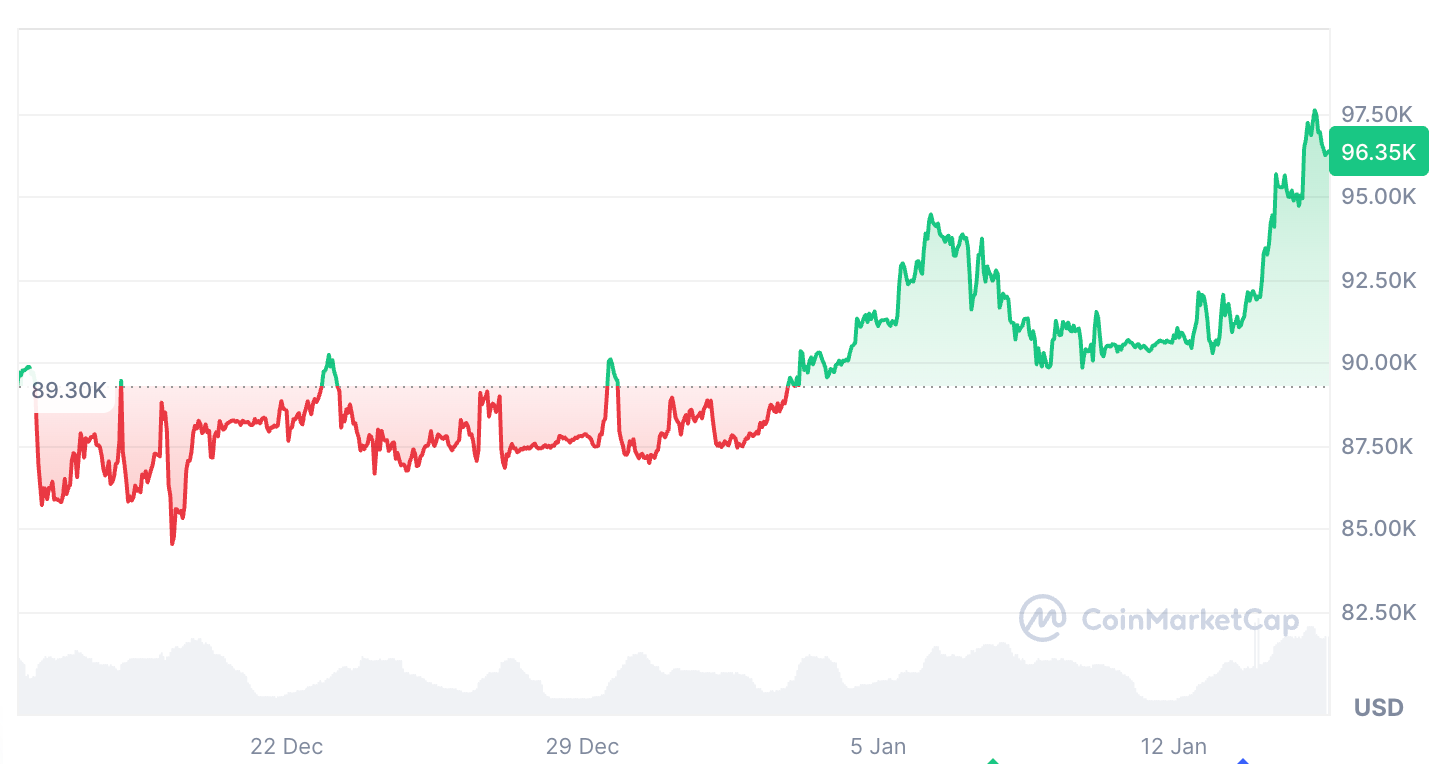
Bitcoin relative underperformance compared to gold and major technology stocks has been one of the most discussed topics in recent market cycles. While traditional safe havens and AI-driven equities captured investor attention, Bitcoin struggled to keep pace. However, Arthur Hayes, co-founder of BitMEX, argues that this divergence is temporary and closely tied to global liquidity conditions rather than a structural weakness in Bitcoin itself.
According to Hayes, Bitcoin has the potential to reclaim leadership in 2026, provided that US dollar liquidity begins to expand meaningfully.
Can Bitcoin Rally Without Liquidity Support?
Hayes emphasizes that Bitcoin’s historical price movements are deeply connected to monetary conditions. Periods of abundant liquidity have consistently aligned with strong Bitcoin rallies, while tightening cycles have weighed heavily on crypto markets.
He notes that assets such as gold and the Nasdaq benefited from favorable liquidity dynamics, leaving Bitcoin sidelined. For Bitcoin to “find its rhythm again,” Hayes argues, the supply of dollars must increase. In his view, this shift is not only possible but likely to occur in 2026.
Key Drivers Behind Potential Dollar Liquidity Growth
Several catalysts could contribute to a sharp increase in dollar liquidity over the coming years. Hayes points to a potential expansion of the Federal Reserve’s balance sheet, signaling renewed monetary easing. Lower mortgage rates, driven by looser financial conditions, could also inject additional liquidity into the system.
In addition, Hayes highlights the role of commercial banks, suggesting they may become more willing to extend credit to government-backed strategic industries. Rising defense-related expenditures, in particular, could require substantial financing through the banking sector, reinforcing broader monetary expansion.
Why Technology Stocks Stayed Strong in 2025
Despite declining dollar liquidity in 2025, the Nasdaq avoided a comparable downturn. Hayes attributes this resilience to the strategic importance of artificial intelligence. Both the United States and China have effectively elevated AI to a national priority, channeling capital into the sector through government investment and executive actions.
This intervention, he argues, weakened traditional free-market signals and allowed capital to flow into AI-related equities regardless of underlying return metrics. As a result, technology stocks emerged as the strongest-performing segment within the S&P 500.
Bitcoin as Monetary Technology
Hayes ultimately frames Bitcoin as a form of monetary technology whose value is inseparable from fiat currency debasement. While Bitcoin declined roughly 14% in 2025 and gold surged more than 44%, he cautions against drawing long-term conclusions from short-term performance gaps.
In his assessment, sustained monetary expansion remains the critical condition for Bitcoin to reach new all-time highs, positioning 2026 as a potential turning point for the asset.
You can also freely share your thoughts and comments about the topic in the comment section. Additionally, don’t forget to follow us on our Telegram, YouTube, and Twitter channels for the latest news and updates.