

 Haciyev Reşit
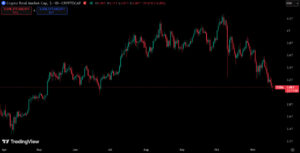
The crypto market has entered a sharp correction in recent days, losing more than $500 billion in value. Bitcoin has fallen below $90,000, while Ethereum has broken key support levels. But what makes this crash interesting is the fact that global liquidity is rapidly increasing at the same time. Normally, when money supply expands, capital flows into risk assets accelerate but this time, the situation has reversed. So why are Bitcoin and altcoins falling while global liquidity is rising?
Central Banks Are Injecting Money: Liquidity Really Is Growing
In recent weeks, major central banks have injected billions of dollars into financial systems. The Federal Reserve alone provided over $37 billion in short-term liquidity through repo operations during October and November, signaling a period in which banks are demanding more cash.

China, on the other hand, is undergoing an even more aggressive easing cycle. The PBOC has released approximately 1 trillion yuan ($138 billion) into the market through interest rate cuts and reserve requirement reductions. Major banks like HSBC expect an additional 2.1 trillion yuan of liquidity to follow.
When considering global actions collectively, over $500 billion in new liquidity is expected to enter the global financial system by the end of the year. In other words, the problem is not a lack of money liquidity is expanding at record levels.
So Why Isn’t Crypto Rising?
According to experts, the decline in the crypto market is not due to a liquidity shortage, but because the new liquidity is not flowing into the crypto sector. Instead, the fresh capital is primarily moving into:
- bonds,
- equities,
- and real-world assets.
Banks are strengthening their balance sheets, companies are repositioning, and investors are shifting toward safer assets. This means the crypto market is in a waiting phase until risk appetite fully returns.
At the same time, investor psychology is becoming polarized. Short-term traders are exiting the market in panic, while long-term investors view this drop as a “test phase.” Some analysts describe this process as an “elimination stage” — weak hands leave, strong believers stay.
Another reason capital is not yet flowing into crypto is the slowdown in ETF inflows and the stagnation in stablecoin supply growth. Institutional funds want market conditions to stabilize before increasing exposure to risk.
What Happens If Liquidity Flows Back Into Crypto?
Market expectations suggest that the real trigger for a crypto rebound will not be another rate cut, but the moment when expanding liquidity finally turns toward digital assets.
If the fresh capital begins favoring crypto:
- Bitcoin could surge back above $100,000,
- and altcoins could enter a strong recovery phase.
However, if investors continue prioritizing equities and real-world assets, crypto may remain in a “waiting zone” for a while longer. This period can also be interpreted as a preparation phase for a major breakout.
Today’s crash is not about a lack of global liquidity it’s about liquidity not yet flowing into crypto.
The money exists, but it is choosing its destination carefully. Therefore, the crypto market may be on the edge of a major capital shift, but the timing depends entirely on when investor confidence returns.
You can also freely share your thoughts and comments about the topic in the comment section. Additionally, don’t forget to follow us on our Telegram, YouTube, and Twitter channels for the latest news and updates.