

 Emre Yumlu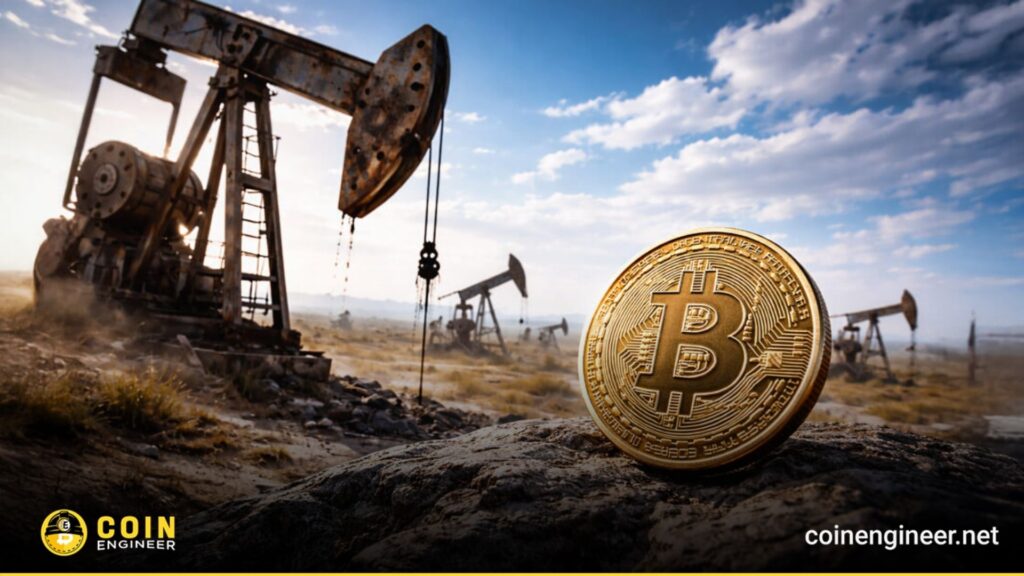
Escalating geopolitical tensions around the Strait of Hormuz are once again forcing crypto investors to shift their focus from on-chain metrics to global macro risks. Nearly 20% of the world’s daily oil supply flows through this narrow maritime passage between Iran and Oman. Although no official closure has occurred, increased military activity in the region has already driven war-risk premiums sharply higher.
Rising Insurance Costs and Oil Price Scenarios
Insurance premiums for oil tankers have surged by more than 50%. The cost of insuring a $100 million vessel per voyage has climbed from roughly $250,000 to $375,000. Even without a formal blockade, this spike in shipping risk has been sufficient to raise concerns about potential supply disruptions.
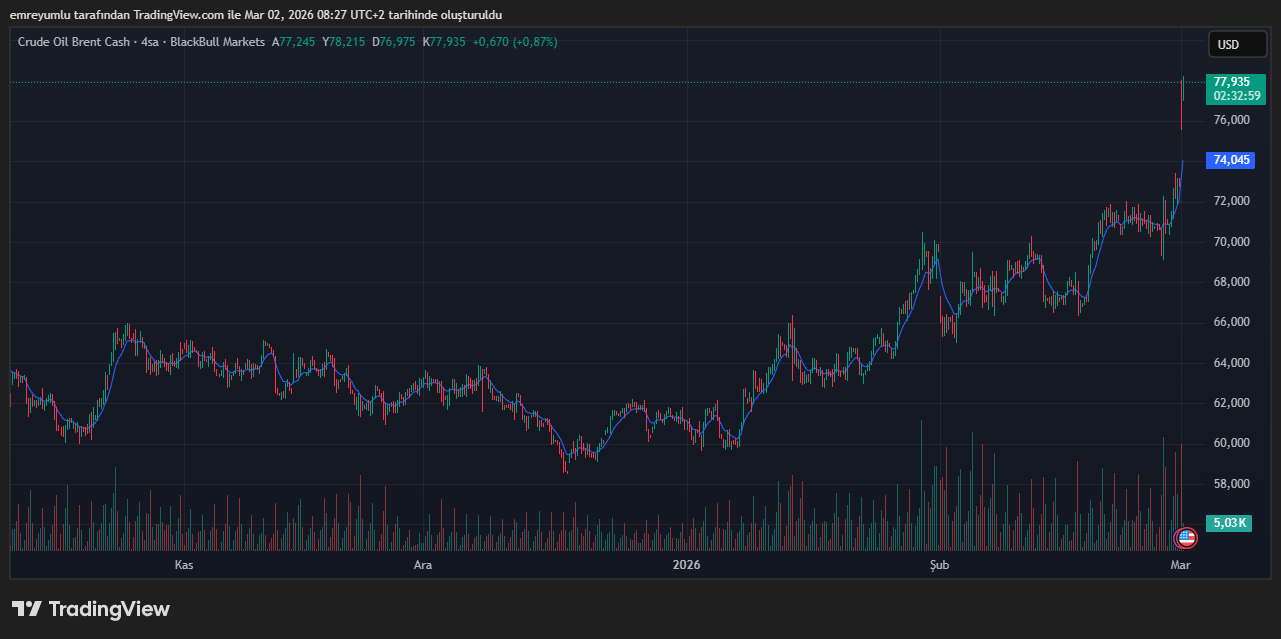
According to various analysts, if tensions persist and logistics are materially disrupted, crude oil prices could climb into the $120–$130 per barrel range. Such a move would not only affect energy markets but could reverberate across the broader global financial system.
Inflation Pressures and Interest Rate Expectations
A sharp rise in oil prices would likely feed directly into transportation, manufacturing, and consumer goods costs, reigniting inflationary pressures. This comes at a time when markets have been positioning for potential monetary easing. If inflation expectations rebound, central banks may be forced to reconsider or delay anticipated rate cuts.
In particular, higher inflation expectations could push US Treasury yields upward. Rising bond yields typically signal tighter financial conditions, reducing overall market liquidity. As government bonds become more attractive, capital often rotates away from higher-risk assets.
Liquidity Tightening and Crypto Vulnerability
Bitcoin has historically behaved like a high-beta liquidity asset during tightening cycles. When real yields rise, digital assets often underperform as leverage unwinds and funding costs increase. In this context, crypto markets do not necessarily require a full-scale geopolitical crisis to decline—liquidity tightening alone can be sufficient.
Elevated oil prices triggering higher yields could therefore create a negative feedback loop for digital assets, particularly if leveraged positions begin to unwind rapidly.
Additional Risks and Market Sensitivity
Some market observers have also pointed out a secondary risk: potential disruptions to energy infrastructure in Iran, which is often cited as a hub for relatively low-cost Bitcoin mining. While speculative, such concerns add to broader uncertainty surrounding network stability and supply dynamics.
Meanwhile, US President Donald Trump has publicly stated that he is not concerned about the Strait of Hormuz situation. However, financial markets tend to respond more directly to movements in bond yields than to political reassurances.
With crypto trading around the clock and derivatives markets heavily leveraged, any sudden macro shock can quickly cascade into forced liquidations. In the coming sessions, developments in oil prices and bond markets may determine whether this episode remains temporary volatility—or evolves into a broader liquidity-driven selloff.
This content is not investment advice.
You can write your comments on this topic. Moreover, if you want these informative contents to continue, you can follow us on our Telegram, Youtube and Twitter channels.