

 Haciyev Reşit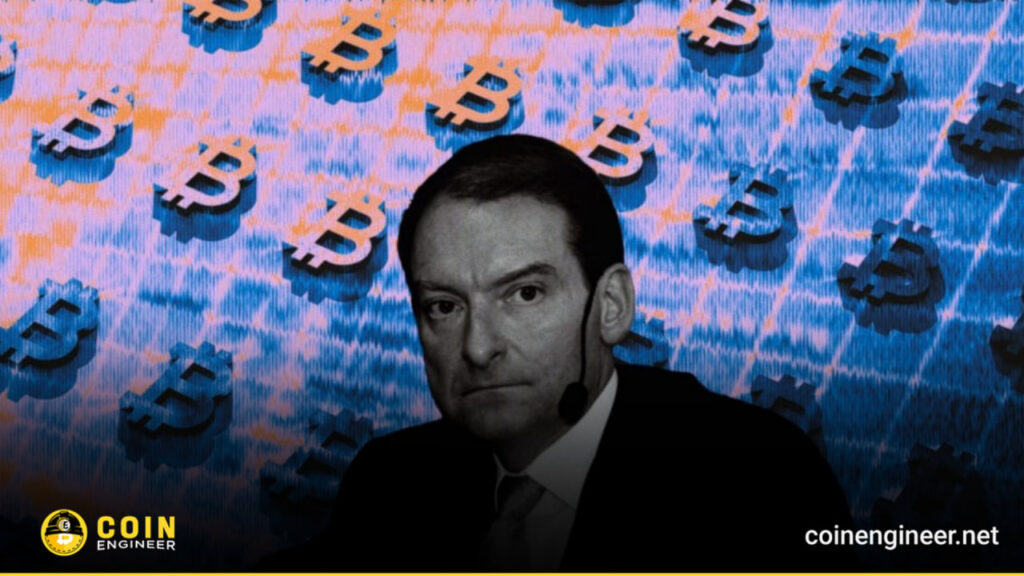
Paul S. Atkins, Chairman of the U.S. Securities and Exchange Commission (SEC), has announced the new phase of “Project Crypto,” an initiative aimed at bringing long-awaited regulatory clarity to the digital asset industry. Speaking at the Philadelphia Fed Fintech Conference, Atkins introduced a comprehensive “token taxonomy framework” describing how digital assets should be classified under U.S. law.
SEC Chairman: “Most Crypto Tokens Are Not Securities”
One of the most striking statements of Atkins’ speech was:
“The majority of crypto tokens trading in today’s market are not securities.”
This marks a significant shift from the SEC’s previously strict stance toward the crypto sector under earlier administrations. Atkins emphasized that simply existing on a blockchain does not automatically make a token a security. Key points included:
- The SEC will continue using the Howey Test to evaluate tokens.
- However, the test will now be applied more flexibly to match the nature of digital assets.
- Tokenization does not change the fundamental nature of an asset.
- A tokenized bond is still a bond.
- A tokenized share is still a share.
- Calling something a “token” or “NFT” does not exempt it from regulation if it has characteristics of an investment contract.
This softer approach marks a clear departure from the previous “almost everything is a security” mindset that fueled uncertainty in the crypto industry.
A New Token Classification Framework: Two Core Principles
The SEC’s updated taxonomy is built around two foundational principles to determine how a digital asset should be regulated:
- Tokenized traditional assets keep their original status
- If a bond is tokenized, it remains a bond.
- These assets continue to fall under existing securities laws.
- Labeling something as a “token” or “NFT” does not remove it from SEC oversight
- If investors expect profit primarily from others’ efforts, the token may be an investment contract.
- The format of the asset does not automatically change its legal classification.
This framework is seen as a modernized extension of the Howey Test.
Tokens May Evolve Over Time
Atkins also noted that many crypto projects change significantly as they mature:
- A token may be considered a security during its early-stage sale.
- But once the network becomes sufficiently decentralized, the token may lose its security status.
This echoes the SEC’s past assessment of Ethereum, which was deemed not a security due to decentralization. Atkins illustrated the concept using an old agricultural lawsuit:
“Once the partnership ended, the farmland was no longer a security. Similarly, when decentralization is achieved, the token may cease to be a security.”
Why This Matters
These statements mark a major turning point for the crypto industry:
- Years of uncertainty and tension between the SEC and crypto companies could ease.
- Clearer guidelines on when a token is or isn’t a security will create a more predictable regulatory environment.
- Crypto exchanges will be able to structure their listing policies more consistently.
- Developers and investors gain the confidence needed to build and scale compliant projects.
Overall, this new framework could help revitalize crypto innovation in the United States. Atkins’ approach is being viewed as one of the clearest and most comprehensive regulatory stances ever adopted by the SEC toward digital assets.
You can also freely share your thoughts and comments about the topic in the comment section. Additionally, don’t forget to follow us on our Telegram, YouTube, and Twitter channels for the latest news and updates.