

 Emre Yumlu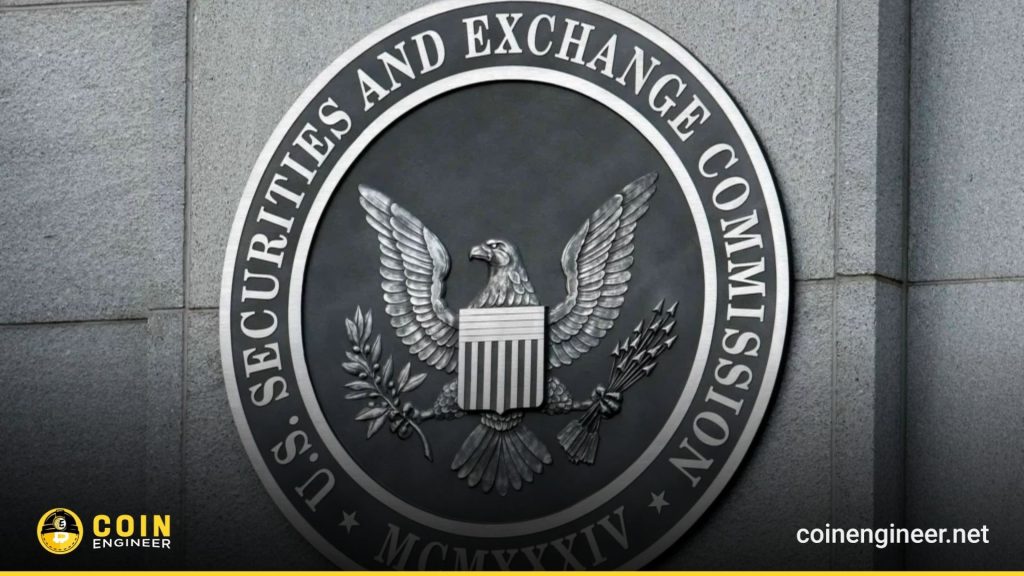
The U.S. Securities and Exchange Commission (SEC) has introduced a significant regulatory shift affecting the crypto sector. The agency reduced the “haircut” applied to payment-focused stablecoins held on broker-dealer balance sheets from 100% to 2%. The move is widely seen as a structural change that could accelerate the integration of stablecoins into mainstream institutional finance.
What the 100% Haircut Previously Meant
Under the prior framework, broker-dealers were required to apply a 100% capital charge to stablecoins recorded on their balance sheets. In practical terms, this meant that if a firm held $1 million worth of stablecoins, it had to set aside an equivalent $1 million in regulatory capital, effectively treating the asset as having no usable capital value.
This approach made holding stablecoins economically inefficient for regulated intermediaries. From a capital management perspective, stablecoins were penalized in a way that discouraged their adoption in institutional workflows. With the haircut now reduced to 2%, stablecoins are positioned more similarly to money market instruments in regulatory treatment, significantly easing the capital burden.

SEC Paves the Way for Corporate Integration
Jon Paul Richardson, CEO of Exodus, described the SEC decision as one of the most consequential developments of the year, even if it has not generated widespread headlines. According to Richardson, sharply lowering the capital requirement removes a major structural barrier that has limited stablecoin usage within institutional finance.
Under the updated rule:
-
Broker-dealers can utilize stablecoins without imposing excessive strain on their balance sheets.
-
Settlement of tokenized assets such as U.S. Treasury instruments, equities, and bonds becomes more economically viable.
-
Stablecoin-based clearing and settlement systems can scale more efficiently at the institutional level.
The regulatory adjustment may also help operationalize previously passed legislation such as the GENIUS Act by making stablecoin infrastructure more practical in real-world financial environments.
Competitive Pressure May Intensify
With the effective capital penalty largely eliminated, stablecoin adoption could become a competitive differentiator among major financial intermediaries. Institutions that move quickly to build stablecoin infrastructure may gain operational advantages, while slower-moving firms risk falling behind.
Richardson argues that while market participants often focus on ETF approvals or political developments, the more profound transformation is occurring at the intersection of traditional finance and blockchain-based systems. Despite broader market volatility, regulatory refinements at the infrastructure level may lay a durable foundation for long-term growth.
This content does not constitute investment advice.
Also, you can freely share your thoughts and comments about the topic in the comment section. Additionally, please follow us on our Telegram, YouTube and Twitter channels for the latest news and updates.