

 Emre Yumlu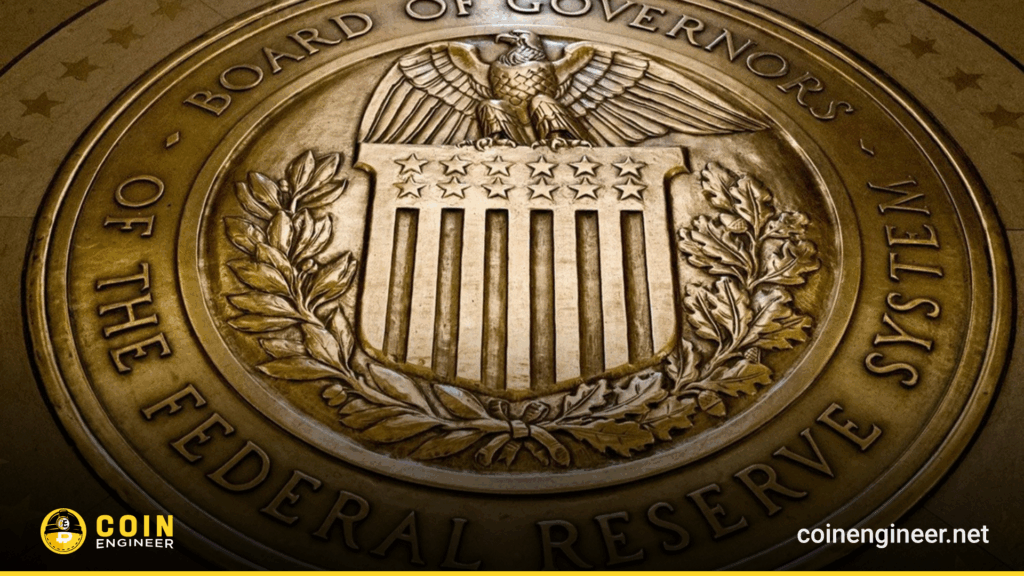
The U.S. Federal Reserve’s (Fed) plan to provide approximately $7 billion in liquidity may appear, at first glance, to be a simple cash injection. However, a closer look at the operational details reveals more nuanced signals for financial markets.
How Is the Fed Providing This Liquidity?
According to the Fed’s current operational schedule, the liquidity injection will be carried out through purchases of U.S. Treasury bills. Under the “current schedule,” the Fed plans to buy Treasury bills with maturities ranging from 4 to 12 months. These purchases cover securities maturing between April 23, 2026, and December 23, 2026, with a total operation size of approximately $6.801 billion.
Through these bill purchase operations, the Fed buys short-term government debt securities from banks and primary dealers, injecting cash directly into the financial system. Technically, this increases reserve balances within the banking system and eases short-term funding conditions.
What Does This Move Signal?
One critical point should be emphasized: this operation does not constitute quantitative easing (QE). It does not signal a long-term expansion of the Fed’s balance sheet. Instead, it is designed to temporarily increase the amount of dollars circulating in the system and to alleviate short-term liquidity stress.
Such measures are typically used to prevent upward pressure in the repo market, stabilize short-term interest rates, and ensure the smooth functioning of money markets. In that sense, the move does not imply a shift in the Fed’s interest rate policy, but it does indicate that policymakers are closely monitoring market conditions and remain ready to intervene when necessary.
What Does This Mean for Crypto Markets?
Crypto assets are widely considered risk-sensitive instruments and are particularly responsive to changes in global dollar liquidity. By injecting liquidity through Treasury bill purchases, the Fed may indirectly support a more favorable risk environment. This can create short-term tailwinds for Bitcoin and large-cap altcoins by improving overall market sentiment and liquidity conditions.
That said, the scope and duration of the operation matter. Because this liquidity injection is targeted and temporary, it should not be expected to trigger a sustained or structural bull market on its own. The dominant drivers for crypto markets remain the Fed’s interest rate outlook, the trajectory of balance sheet reduction (QT), and broader inflation dynamics.
A Technical Relief, Not a Strategic Shift
The Fed’s roughly $6.8 billion purchase of 4–12 month Treasury bills is best viewed as a short-term technical relief for the financial system. For crypto markets, it represents a supportive but limited development rather than a decisive turning point. For investors, the key question is whether such actions remain isolated interventions or mark the early stages of a broader liquidity cycle—an answer that will become clearer through upcoming Fed communications.
This content does not constitute investment advice.
You can also freely share your thoughts and comments about the topic in the comment section. Additionally, don’t forget to follow us on our Telegram, YouTube, and Twitter channels for the latest news and updates.