

 Haciyev Reşit
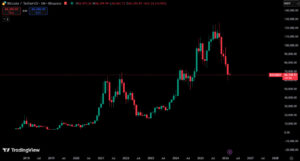
With its latest monthly close, Bitcoin has officially recorded its longest bear market streak since 2018. The leading cryptocurrency closed in negative territory for the fifth consecutive month, presenting one of the weakest technical outlooks in recent years. According to market data, Bitcoin ended the month at around $65,000, posting a decline of over 19% in February. Compared to the peak seen in October last year, BTC is now down approximately 52%. This marks the longest series of negative monthly closes since the six-month losing streak in 2018.
Technical Outlook Weakens: Risk Appetite Declines
Consecutive monthly losses indicate that weakness in Bitcoin’s technical structure persists. According to experts, this suggests a decline in investor risk appetite and a postponement of bullish expectations. Looking at previous bear markets, Bitcoin’s average drawdowns have exceeded 80%. With the current decline standing at around 52% from its peak, some analysts argue that the market may not yet have reached historical bottom levels. Market specialists note that if the streak of negative monthly closes continues, selling pressure could intensify, potentially leading to a deeper psychological capitulation phase. In such a scenario, the likelihood of testing lower support levels would strengthen.
“Bitcoin’s current decline remains limited compared to historical bear market averages. This indicates that downside risk has not been completely eliminated.” — Crypto market analysts
Counter View: Extreme Pessimism May Trigger a Relief Rally
On the other hand, some analysts argue that the excessive pessimism currently dominating the market could create favorable conditions for a short-term relief rally. The recent increase in on-chain accumulation trends and the fact that much of the selling pressure may already be priced in could open the door for short-term buying activity. This dynamic could be further supported if long-term investors interpret the downturn as a buying opportunity. In cryptocurrency markets, periods of extreme negative sentiment can sometimes function as a contrarian indicator. When expectations shift heavily toward the downside and the market approaches oversold territory, short-term recoveries can be triggered. However, analysts warn that any potential upside move may represent a limited and temporary rebound within the broader downtrend rather than a strong trend reversal.
Investors are currently focusing on two key factors:
- Trend strength after the monthly close: Whether the negative closing streak continues will determine the broader trend direction.
- Price behavior and sentiment: Rising accumulation and extreme pessimism could shape short-term price action.
Bitcoin Enters a Critical Threshold
Bitcoin’s confirmation of its longest losing streak since 2018 stands out as a significant development, increasing uncertainty in the cryptocurrency market. While historical cycles point to the risk of a deeper correction, extreme negative sentiment keeps the possibility of a short-term rebound alive. The direction Bitcoin takes in the coming period will not only be decisive for BTC itself but also for the overall trend of the broader crypto market.
You can also freely share your thoughts and comments about the topic in the comment section. Additionally, don’t forget to follow us on our Telegram, YouTube, and Twitter channels for the latest news and updates.