

 Yeliz Akmaca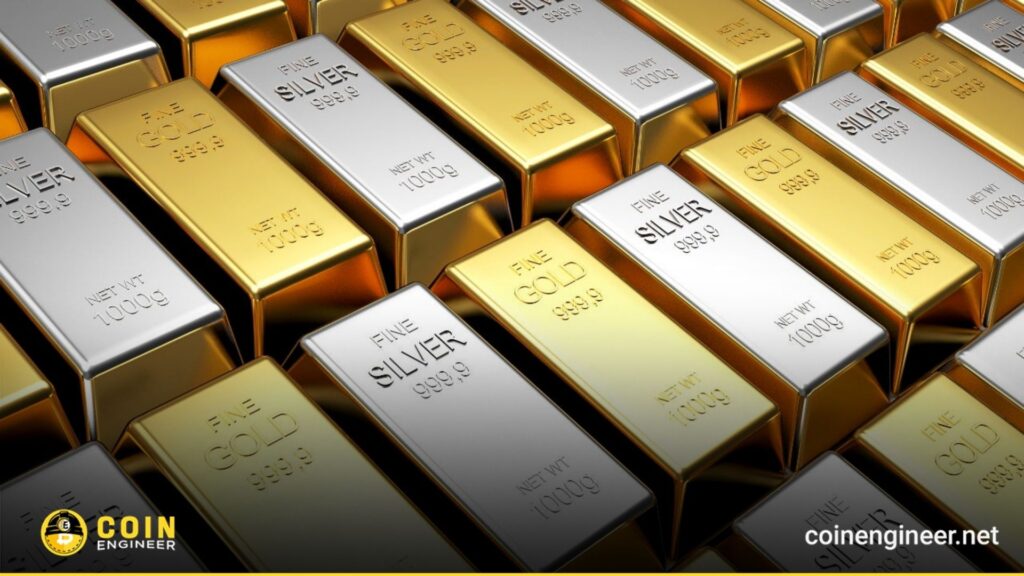
What are gold, silver and oil prices today? Global markets shifted again on the morning of March 12. While gold and silver posted modest declines, oil prices climbed back above $100 per barrel. A stronger U.S. dollar and rising geopolitical tensions in the Middle East are forcing investors to reassess expectations for Federal Reserve rate cuts.
Gold prices started Thursday with a limited decline. Spot gold traded at $5,153.79 per ounce, falling about 0.4%. At the same time, U.S. gold futures for April delivery also dropped 0.4% to $5,159.20.
Several factors are driving this move. The most notable is the strengthening U.S. dollar. The dollar index rose around 0.2%, making dollar-denominated assets such as gold and silver more expensive for investors holding other currencies. The market’s familiar reaction followed: as the dollar gained strength, gold stepped back slightly.
Oil prices climb above $100 again
The energy market is telling a very different story. Rising tensions in the Middle East have triggered sharp price movements in oil markets. With Iran increasing attacks across the region, oil prices have climbed back above $100 per barrel.
Tehran has also warned that the world should prepare for a potential $200 per barrel oil scenario. Such statements have created a psychological impact on markets, pushing the geopolitical risk premium higher.
The situation is not limited to rhetoric. According to sources, Iran is believed to have placed roughly a dozen naval mines near the Strait of Hormuz. This narrow waterway is a critical route for global oil and LNG shipments, and tanker traffic there has nearly come to a halt.
Some tankers have reportedly been stranded for more than a week, and storage capacities are approaching their limits. As a result, certain producers have temporarily paused production. In other words, the recent rise in oil prices is not driven solely by geopolitical messaging but also by logistical disruptions.
IEA moves to release reserves
In an effort to limit the shock in energy markets, the International Energy Agency (IEA) has taken a significant step. The agency approved the release of 400 million barrels of oil from strategic reserves.
This is considered one of the largest coordinated reserve releases in the oil market in decades. However, analysts suggest it may not be enough to push prices down in a lasting way. The issue now extends beyond supply levels; geopolitical risk and transportation security have become central to market pricing.
Fed rate cut expectations pushed back
Rising energy prices are also reviving inflation concerns. Higher oil costs could increase global price pressures in the months ahead.
Because of this, some financial institutions are reassessing the Federal Reserve’s interest-rate timeline. Goldman Sachs has delayed its forecast for Fed rate cuts, citing rising inflation risks linked to the Middle East conflict. The bank now expects two quarter-point rate cuts in September and December.
Macroeconomic data has been relatively balanced so far. According to the latest figures, the U.S. Consumer Price Index (CPI) increased 0.3% in February, matching expectations. In January, the monthly increase had been 0.2%.
On a yearly basis, inflation reached 2.4%, again in line with forecasts. However, the renewed rise in energy prices could complicate this balance in the coming months.
Markets await the PCE inflation report
Investors are now focused on the U.S. Personal Consumption Expenditures (PCE) index, one of the Federal Reserve’s preferred inflation indicators. The data is scheduled to be released on Friday.
If the PCE figure comes in stronger than expected, expectations for rate cuts could be pushed further into the future. Such a scenario may continue to create short-term pressure on gold prices.
Silver, platinum and palladium prices
The precious metals market showed mixed movements beyond gold.
-
Spot silver: down 0.5% to $85.33
-
Spot platinum: down 0.3% to $2,162.24
-
Palladium: up 0.3% to $1,642.05
Overall, the market is not moving in a single direction. Energy prices are rising while precious metals are experiencing cautious pullbacks. On one side lies geopolitical risk; on the other, shifting interest-rate expectations. Markets appear to be pricing in two competing narratives at the same time.
In short, the surge in oil prices is indirectly affecting the gold market through inflation expectations and interest-rate outlooks. Over the coming days, developments in energy markets and upcoming U.S. economic data could play a decisive role in shaping the direction of precious metals.
Also, you can freely share your thoughts and comments about the topic in the comment section. Additionally, please follow us on our Telegram, YouTube and Twitter channels for the latest news and updates.