
 Yeliz Akmaca
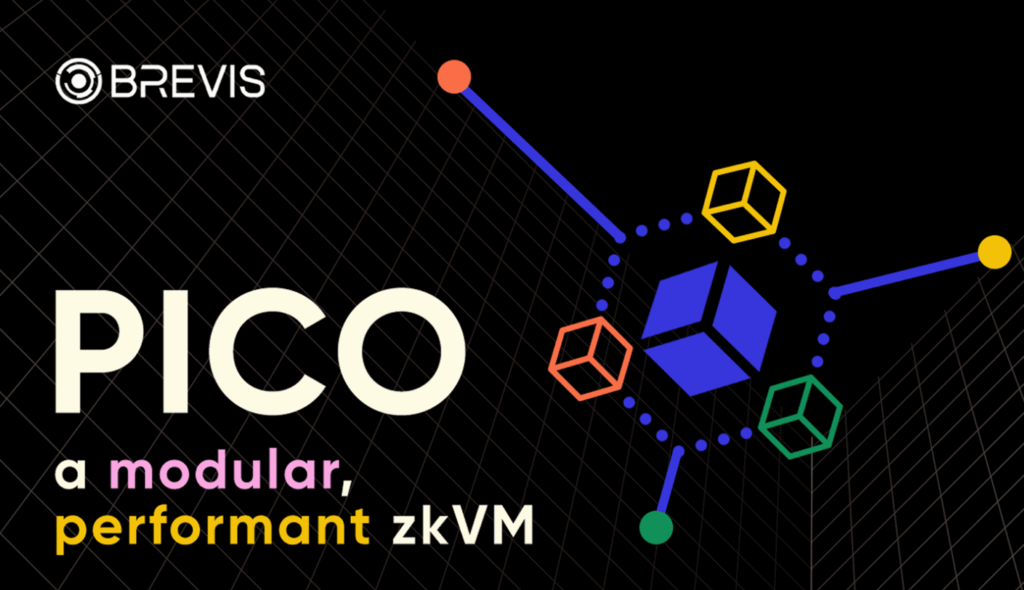
Brevis Network is an infrastructure project built on zero-knowledge (ZK) technology, specifically using the “off-chain computation + on-chain verification” paradigm. Its flagship product, Pico, is a modular zero-knowledge virtual machine (zkVM). Pico’s unique “glue-and-coprocessor” architecture combines general-purpose workflows with application-specific accelerator circuits, delivering high performance and flexibility.
Brevis aims to provide developers with secure and scalable solutions for modern crypto applications, including data analysis, DeFi computations, historical blockchain verification, and cross-chain validation.
Its core mission is to address the “Black Box Dilemma” faced by blockchains (especially smart contracts):
-
On-chain Computation: Secure and verifiable, but limited, slow, and expensive.
-
Off-chain Computation: Fast and powerful, but relies on centralized servers and cannot be verified securely.
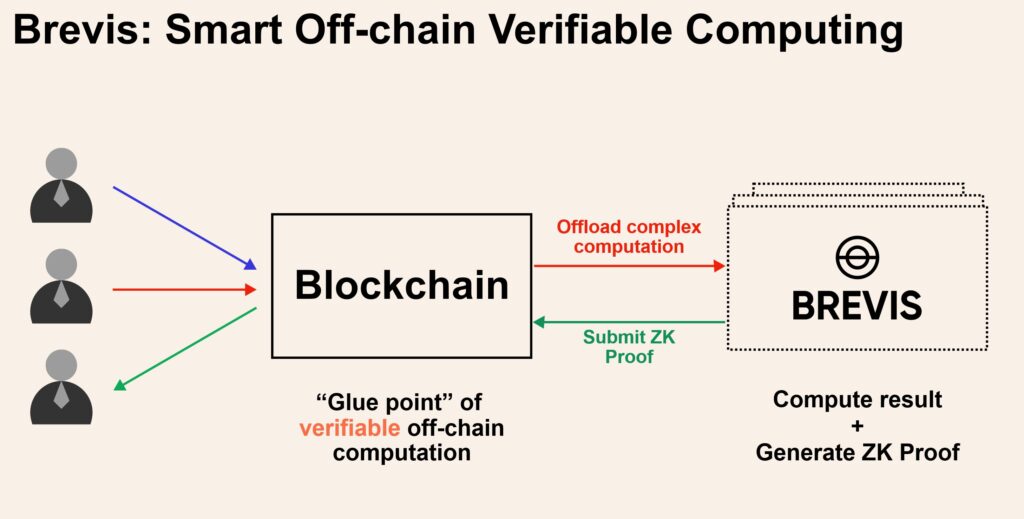
Brevis bridges these two worlds, allowing dApps to perform complex computations off-chain while guaranteeing their correctness with small ZK proofs verifiable on-chain in milliseconds.

Team and Founders
The Brevis team consists of experts in distributed systems, cryptography, and high-performance computing.
-
Co-Founder & CEO: Michael – also a co-founder of the widely used cross-chain interaction platform Celer Network. Holds a PhD in Computer Science from UIUC.
-
Co-Founder: Noam Nelke – another founding member of the project.

Investors and Notable Partners
Brevis raised $7.5M in a Seed Round announced in November 2024.
-
Lead Investors: Polychain Capital, Binance Labs
-
Other Participants: IOSG, Nomad Capital, Bankless Ventures, HashKey
Partnerships and Ecosystem
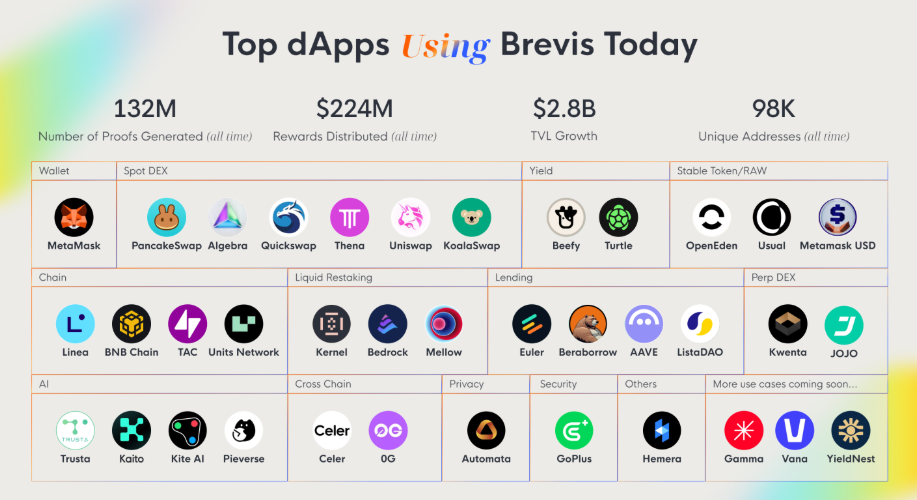
Brevis is actively used by over 20 major protocols across 5+ blockchains:
-
DeFi: PancakeSwap, Uniswap, Usual Money, Frax, QuickSwap, Gamma
-
L2 / Blockchains: Linea, Ethereum, BNB Chain
-
Infrastructure: Celer Network, EigenLayer, AltLayer, 0G
-
Data & Security: MetaMask, KaitoAI, Trusta, GoPlus Security

Vision and Concept
Brevis aims to overcome blockchain data access and computation limitations using ZK proofs. dApps can process off-chain data and return results to the chain with compact ZK proofs.
The modular Pico zkVM differentiates Brevis from competitors by applying ZK in real-world scenarios. Its vision is for Brevis to be used across all chains within 3–5 years, making ZK a security layer for decentralized systems.
How It Works
Brevis operates with a glue-and-coprocessor architecture for high-performance, secure computations.
-
Request: A smart contract requests a computation or data query (e.g., User A’s 6-month trading volume).
-
Off-chain Computation: Brevis processes the request:
-
ZK Data Coprocessor: Analyzes historical blockchain data.
-
Pico zkVM: Executes general-purpose computations.
-
-
Proof Generation: A ZK proof is generated to verify correctness.
-
On-chain Verification: The proof is submitted to the smart contract and verified.
-
Execution: Verified results are applied safely (e.g., 10% discount to User A).
Pico zkVM offers flexibility with interchangeable backends and custom circuit integration. Built in Rust, it provides high performance and efficiency.
dApp Integration
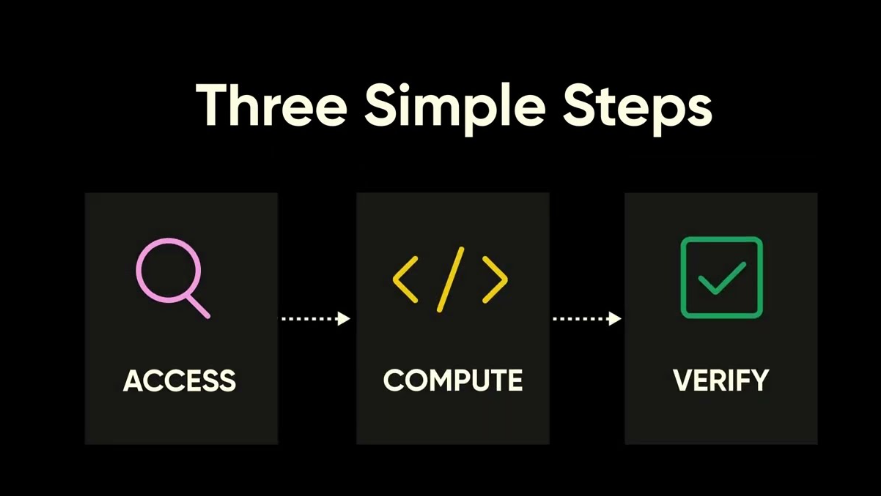
Integrating Brevis into dApps involves three steps:
-
Data Access: Trustlessly read historical on-chain data via Brevis APIs.
-
Computation: Run off-chain business logic and generate ZK proofs.
-
Result Usage: Submit results and proofs on-chain for verification and usage by smart contracts.
Use Cases
-
Smart DeFi: Personalized fees, rewards, and dynamic user experiences (PancakeSwap, Uniswap, MetaMask)
-
Stablecoin & RWA: Transparent incentivization and verifiable on-chain rewards (OpenEden, Usual Money)
-
Dark Pool DEX: Off-chain order matching with L1-level security
-
Cross-chain: Trustless bridging between rollups and L1 chains (Kernel, Celer)
-
Blockchain Bootstrap: User acquisition and liquidity growth for new chains (Linea, TAC)
-
Fast L1s: Single-node proofs enable 100x scalability (Ethereum, BNB Chain)
-
Verifiable AI: Personalized, provable AI outputs (Kaito, Trusta)
-
Privacy & Security: ZK proofs for data privacy and DeFi risk analysis (Automata Network, GoPlus Security)
Roadmap
2024 (Completed):
-
Seed funding round
-
Pico zkVM launch
-
Incentra integration
-
72M+ proofs generated
2025 (Ongoing):
-
Pico-GPU rollout
-
DEX hooks (PancakeSwap, etc.)
-
Ethereum/BNB Chain integration (RTP technology)
-
Verifiable AI expansion (Kaito, Trusta)
-
October: Pico Prism launch (12s proof)
2026+ (Future):
-
Multi-chain expansion (Arbitrum, Avalanche)
-
Incentive programs (CPI)
-
$BREVIS token listing & airdrop
-
Ecosystem growth (Linea, TAC, etc.)
-
Long-term: Mobile proofs, AI integration, 80%+ blockchain computations off-chain
Ecosystem
Brevis operates across a wide ecosystem focused on Ethereum and L2s. It collaborates with over 100 partners (MetaMask, Frax), DeFi protocols (perpetual exchanges), AI solutions (AgentFi), and restaking platforms (Bedrock).
Transparency is provided through Brevis Explorer, while the community actively contributes on X (462,864 followers).
Use cases within the ecosystem include reward distribution (80% of volume), transaction verification, and staking proofs. With TVL growth of $4B, Brevis creates a tangible impact. While competing with rival ecosystems (Succinct, Risc Zero), it strengthens bridges to Asia and the US with support from Binance and Polychain.
Key Metrics:
- 132M+ cryptographic proofs generated
- 98K+ unique users across ecosystems
- ~9,000 daily active users
- $224M+ in rewards distributed with mathematical guarantees
- $2.8B TVL growth enabled
- 30+ major protocol partnerships live in production
Features
-
Omnichain Data Access: Verify any on-chain/off-chain data with ZK proofs
-
Pico zkVM: Open-source, glue-and-coprocessor architecture; modular backends, custom circuits, customizable workflows; 6.9s average proof
-
ZK Coprocessor Network: Distributed, GPU-accelerated, EigenLayer integration
-
Reliable Verification: Reduced cost, privacy-preserving (e.g., encrypted order matching)
-
Ease of Use: Go SDK, quickstart guides for TypeScript/Solidity; supports 125M+ proofs
-
Extensibility: ML/AI integration, DEX hooks, incentive mechanisms (Incentra)

Official Links & Social Media
Also, in the comment section, you can freely share your comments and opinions about the topic. Additionally, don’t forget to follow us on Telegram, YouTube and Twitter for the latest news and updates