

 Emre Yumlu
Janction (JCT) is defined as the first Layer-2 network designed to deliver artificial intelligence (AI) services in a verifiable, scalable, and distributed way. The project unifies AI models, GPU computing power, data feeds, and data labeling processes under a single ecosystem, offering an AI + Blockchain–compatible infrastructure. In this article, we will examine Janction’s technical architecture, usage scenarios, GPU pool structure, billing system, node operations, partnerships, and more in detail. Let’s take a look at the AI infrastructure of the future.
What Is Janction (JCT)?
One of the biggest bottlenecks in today’s AI landscape is access to high-performance GPU resources and the efficient use of those resources.
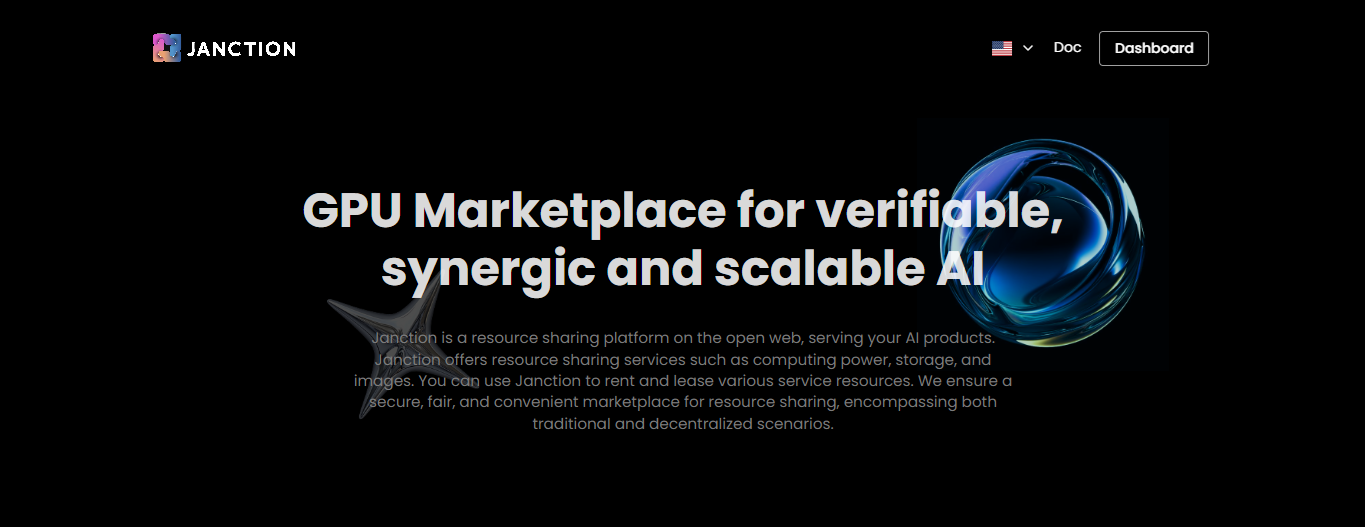
Centralized cloud providers are expensive, limited in accessibility, and often come with privacy concerns. This is exactly where Janction (JCT) comes in: the world’s first Layer-2 blockchain network offering verifiable, synergistic, and scalable AI services. Through smart contracts, Janction automates machine learning workflows and brings together essential components such as AI models, GPU computing power, data streams, and labeling into a unified ecosystem.
The core purpose of Janction is to establish a globally distributed GPU marketplace, enabling users to access the computing power they need at low cost. This allows GPU owners to earn revenue, while developers gain affordable access to AI compute capacity.
Key Features of Janction
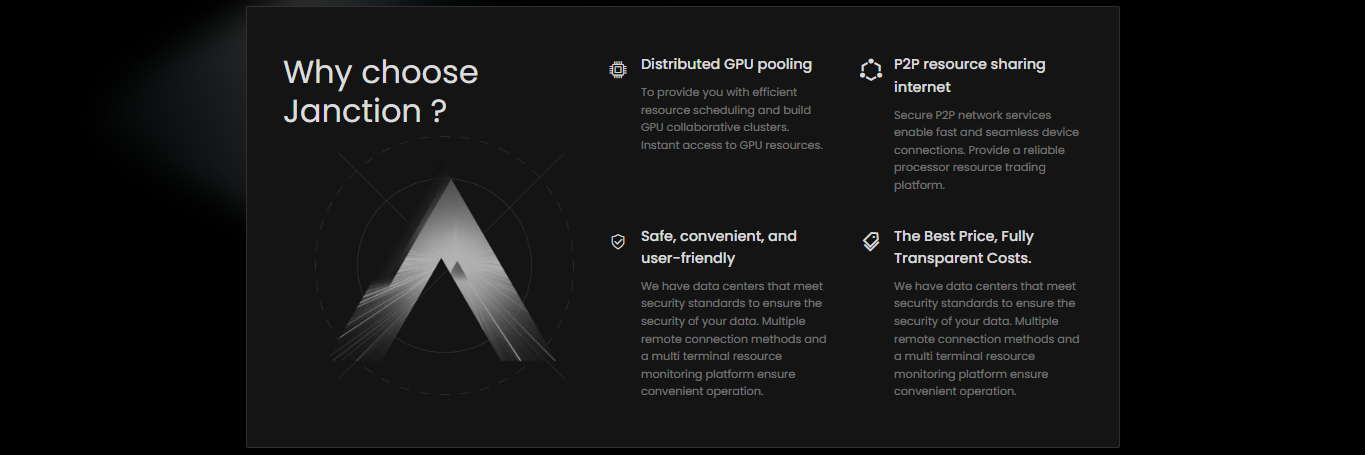
1. Distributed GPU Pool
Janction aggregates GPUs with varying hardware specifications into vGPU units and brings them together in a single pool.
This pool is automatically managed with:
-
Load balancing
-
Task parallelization
-
Resource verification
-
Pricing and usage metrics
2. GPU Marketplace
Users can:
-
Rent GPUs
-
Lease out their GPU resources
-
Select cost-efficient options for their workloads
This structure offers an effective solution for both individual users and institutional AI companies.
3. Layer-2 Solution for AI Workloads
Janction is built on a Layer-2 architecture that ensures AI tasks are:
-
Verifiable
-
Scalable
-
Synchronized
Transactions executed on Layer-2 are later recorded on the main chain and rewarded through a transparent Proof of Contribution mechanism.
Proof of Contribution
Janction uses an advanced evaluation model to measure contributions from both data providers and GPU providers.
This model uses factors such as:
-
Individual data value
-
Shapley value method
-
Usage frequency
-
Participant reputation score
This mechanism aims to ensure fair rewards for developers and resource providers across the system.
AI Services Janction Aims to Provide
AI Image Generation
-
Create images from text inputs
-
Useful for advertising, design, and social media
Speech–Text Conversions
-
TTS: Text-to-speech
-
STT: Speech-to-text
-
Ideal for podcasts, subtitles, customer service, etc.
Video Processing
-
Super-resolution
-
Noise reduction
-
Color enhancement
-
Slow motion & frame enhancement
Object Detection and Image Analysis
-
Security applications
-
Industrial quality control
-
Autonomous driving sensor data
Private LLM
Users can run their own private LLM models on Janction, benefiting from:
-
Data privacy
-
Regulatory compliance
-
Enterprise-grade AI solutions

Janction Architecture
The network consists of three main layers:
1. Blockchain Layer
-
Transaction records
-
Data availability
-
Reward distribution
-
On-chain data ingestion
2. Distributed Resource Pooling
-
vGPUs
-
Task routing
-
API-based AI microservices
-
Horizontally scalable GPU clusters
3. GPU Marketplace
-
Resource tracking
-
Price comparison
-
Renting & revenue model
-
User rating (reputation system)
Roles in the Janction Ecosystem
-
GPU Provider: Supplies GPU resources and earns revenue
-
Aggregator: Discovers, manages, and distributes GPU resources
-
User: Rents GPUs and processes AI workloads
-
Node Operators: Participate in verification and balancing processes
Janction Partnerships
Janction expands its ecosystem and strengthens its infrastructure through strategic partnerships with leading Web3 projects such as Arichain, DMC-Dao, AltLayer, TEN, Humanode, Etarn, and Chainlink. These collaborations provide the platform with multi-layered technological support in areas such as data verification, secure identity infrastructure, Layer-2 scaling solutions, AI-focused execution layers, and reliable oracle integrations.
This partner network forms a powerful technological backbone that brings Janction’s DePIN- and AI-focused vision into real-world applications.
Janction Team – HARA
HARA, one of the key figures behind Janction, stands out as a versatile executive combining financial expertise with technology leadership. As the CFO of Jasmy, he leads the vision of “IoT-based data democracy,” while as the CEO of Janction, he develops the decentralized GPU pool powered by an EVM-compatible Layer-2 architecture. With a background at KPMG, CPA certification, and extensive IPO and corporate consulting experience, HARA provides the project with strong leadership in both financial transparency and sustainable growth strategies.

Official Links
You can also freely share your thoughts and comments about the topic in the comment section. Additionally, don’t forget to follow us on our Telegram, YouTube, and Twitter channels for the latest news and updates.