

 Emre Yumlu
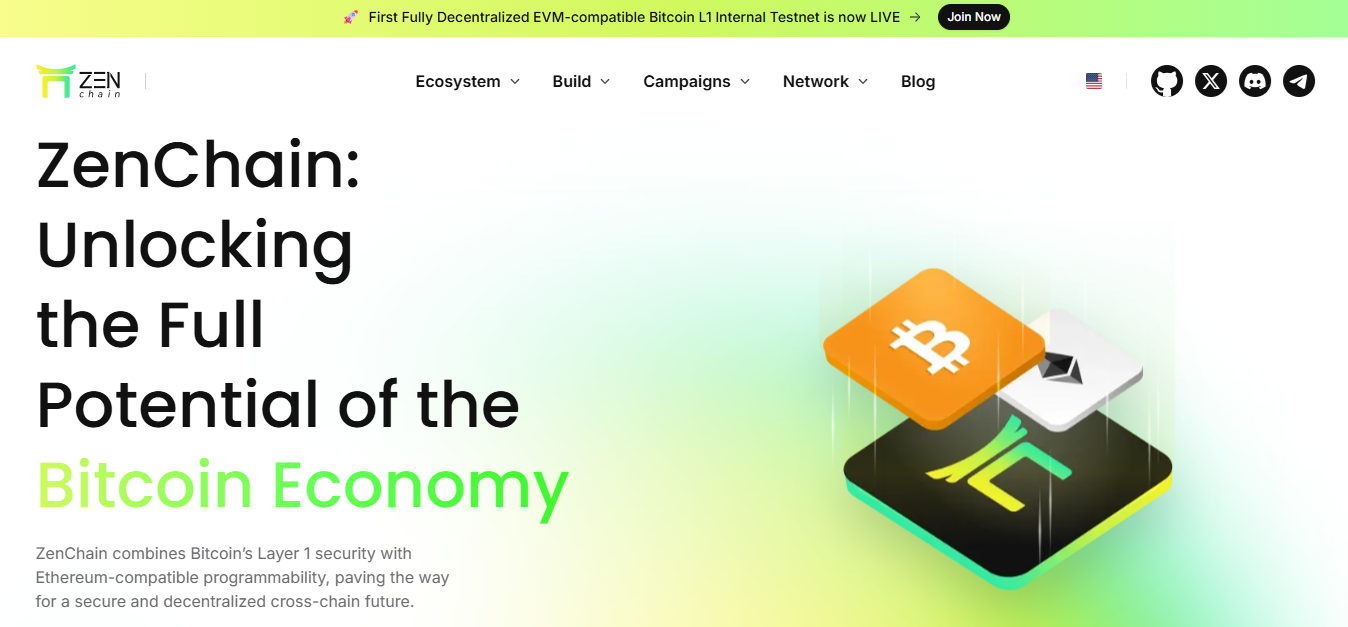
ZenChain (ZTC) is a next-generation Layer-1 blockchain network that aims to enable secure and efficient interaction between different blockchain networks, primarily Bitcoin and Ethereum. The project seeks to provide a comprehensive solution in cross-chain interoperability by combining Bitcoin’s high security model with Ethereum’s smart contract flexibility.
ZenChain’s core vision is to transform the Bitcoin ecosystem from merely a store of value into an active economic layer integrated with smart contracts and decentralized applications (dApps).
What Does ZenChain (ZTC) Aim For?
The fragmented structure between networks in the blockchain world creates significant limitations in liquidity, security, and user experience. ZenChain directly targets this problem, aiming to become a trust-minimized bridge between the Bitcoin and Ethereum ecosystems.
The project offers developers a familiar development environment through EVM compatibility while preserving Bitcoin’s robust security infrastructure. This targets enabling more active use of Bitcoin-based assets and allowing Ethereum developers to benefit from Bitcoin security.
Layer-1 Architecture and EVM Compatibility
ZenChain is designed as a completely independent Layer-1 blockchain. This structure allows the network to operate with its own validators, consensus mechanism, and economic model.
Ethereum Virtual Machine (EVM) Support
ZenChain’s EVM compatibility enables smart contracts and dApps running on Ethereum to be easily ported to the ZenChain network. Contracts written in Solidity can run on ZenChain without requiring additional learning.
This feature:
- Accelerates developer adoption
- Provides compatibility with existing Ethereum tools (wallets, SDKs, infrastructure services)
- Opens the way for applications running with Bitcoin security
Bitcoin and ZenChain: Secure Integration
One of ZenChain’s most distinctive aspects is its technical connection with Bitcoin. The network supports cross-chain transactions through Bitcoin light nodes and Taproot-based structures.
Bitcoin on EVM Approach
ZenChain allows Bitcoin assets to interact with Ethereum-compatible smart contracts. This enables use cases such as:
- Bitcoin-collateralized DeFi applications
- Bitcoin-backed staking and yield models
- dApps using Bitcoin liquidity
Trustless Bridge Mechanism and zBTC
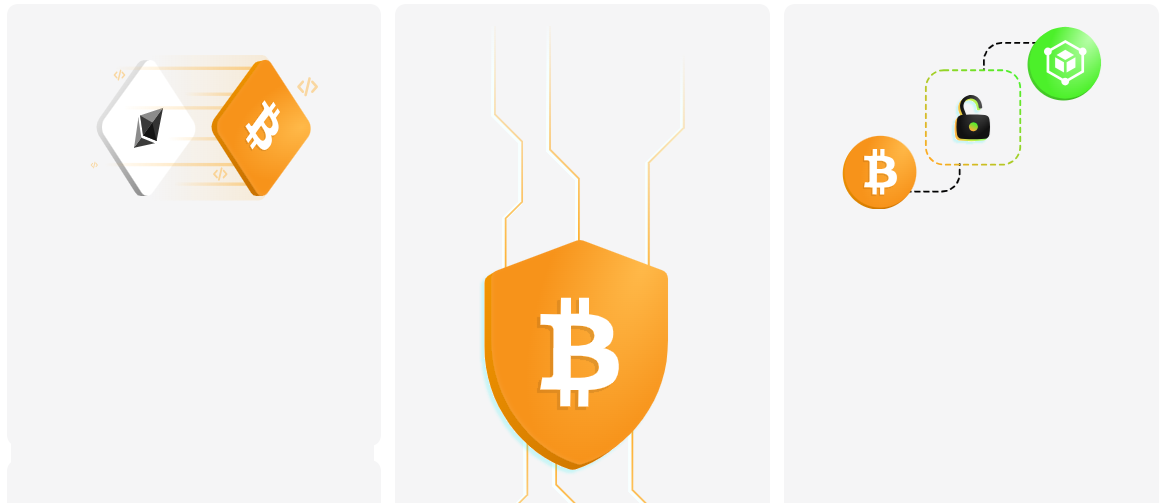
In the ZenChain ecosystem, since Bitcoin cannot be used directly in smart contracts, it is converted into a representative token called zBTC.
How Does the Bridge Process Work?
- The user deposits BTC into the ZenChain bridge
- Bitcoin is securely locked
- An equivalent amount of zBTC is minted on ZenChain
- zBTC can be used in EVM-compatible applications
This structure offers Ethereum-like usage flexibility while preserving Bitcoin’s security.
Future planned Trustless Taproot Bridges aim to make this process even more decentralized and cryptographically secure.
Consensus Mechanism and Network Security
ZenChain adopts a Proof of Stake (PoS)-based consensus model to ensure network security. This structure operates through validators and nominators.
Core Features of Consensus
- High transaction speed
- Low latency
- Energy efficiency
- Decentralized validator structure
Network security is not limited to PoS; Bitcoin-based security signals and internal monitoring systems also support network integrity.

What is ZTC Token?
ZTC is the native token of the ZenChain network and sits at the center of the network’s economic structure. It is designed as a multi-purpose utility token with both technical and economic functions.
Core Use Cases of ZTC
- Payment of transaction fees
- Staking and contribution to network security
- Validator and nominator rewards
- Ecosystem incentives
- Liquidity provision and dual-sided yield mechanisms
ZenChain (ZTC) Tokenomics
ZenChain’s token economy is structured to support long-term sustainability and decentralization.
Total Supply
- Total supply: 21,000,000,000 ZTC
- Fixed supply: No inflation, no additional minting
Token Distribution (Allocation)
- Validator & Rewards Reserve: 30.50%
- Team & Core Contributors: 15.00%
- Ecosystem: 15.03%
- Foundation / Treasury: 13.47%
- Airdrop: 7.00%
- GTM & Community Programs: 6.20%
- Liquidity: 5.00%
- Marketing: 5.00%
- Strategic Round: 2.80%
This distribution offers a structure that prioritizes network security and long-term ecosystem growth.

Vesting and Unlock Structure
The release of ZTC tokens into circulation is planned in a controlled manner.
- No unlock for team tokens at TGE
- Investor tokens subject to cliff + linear vesting model
- Ecosystem and reward tokens to be released over years
- Airdrop tokens will be claim-based
This structure aims to prevent sudden selling pressure.
ZenChain Ecosystem and Developer Opportunities
ZenChain positions itself not only as a blockchain but also as a developer-friendly ecosystem.
Key Advantages
- Low transaction fees
- High transaction capacity
- Ethereum-compatible development environment
- Bitcoin security
- Extensive tool and integration support
Additionally, ecosystem growth is supported with incentive programs like zBTC Rewards Campaign for developers.
ZenChain (ZTC) Partners
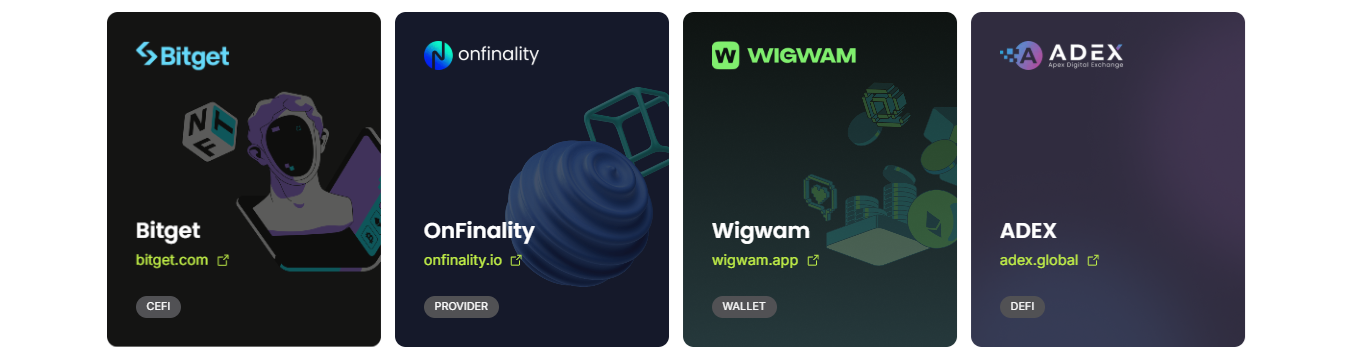
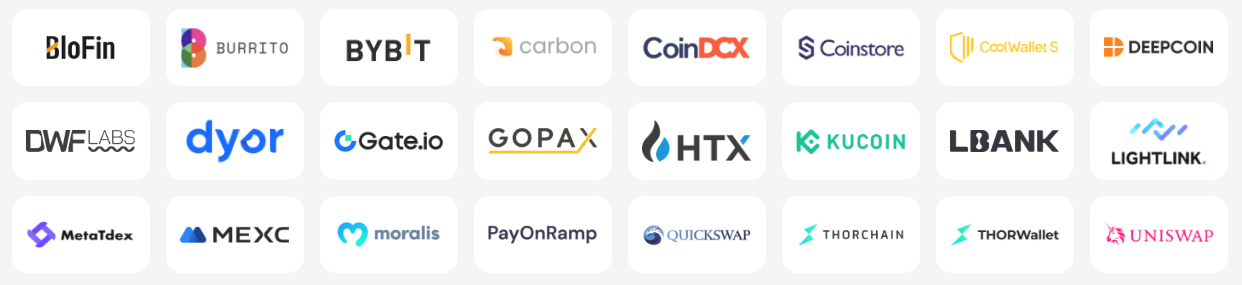
ZenChain is expanding its ecosystem by partnering with strong names in the industry. Some prominent partners include: Blofin, Bybit, DWF Labs, Gate.io, HTX, KuCoin, MEXC, Uniswap, Thorchain, Thorwallet, CoinDCX, Coinstore, LBANK, CoolWallet S, Moralis, PayOnRamp, and many more global platforms.
These partnerships strengthen ZenChain’s position in both liquidity and infrastructure.
ZenChain (ZTC) Team
The ZenChain team consists of experienced individuals in blockchain marketing and technical infrastructure.
In brief, the team has a structure aimed at advancing the project in both technical development and ecosystem growth.
- Padgett Ong (CTO – Chief Technology Officer)
- Matthew Downie (CMO – Chief Marketing Officer)

Official Links
Also, in the comment section, you can freely share your comments and opinions about the topic. Additionally, don’t forget to follow us on Telegram, YouTube and Twitter for the latest news and updates.