

 Emre Yumlu
The cryptocurrency market has gone through a significant correction in recent months. Since reaching its peak in October, Bitcoin has fallen by more than 40%, while the total crypto market capitalization has shrunk by roughly $2 trillion. These figures clearly reflect the presence of a bear market.
However, the key question for investors remains the same: When could the downturn finally end?
According to market experts, the next recovery in crypto is unlikely to be triggered by a single dramatic event. Instead, it may emerge gradually as several important developments begin to restore confidence across the industry.
1. Regulatory Clarity Through the CLARITY Act
One of the most important developments being watched in the United States is the CLARITY Act, a major legislative proposal aimed at defining how digital assets should be regulated. While other pro-crypto policies have appeared in recent years, this bill is expected to play a decisive role in shaping the regulatory framework.
If the legislation moves forward, it could provide clearer oversight rules for digital assets and encourage banks, asset managers, and payment companies to increase their involvement in the crypto sector. Greater institutional participation could significantly boost market confidence.

2. Improvement in the Macro and Tech Market Environment
Cryptocurrencies remain highly correlated with technology stocks and broader risk assets. When tech markets weaken, crypto often experiences amplified volatility.
For instance, the NASDAQ-100 Technology Sector Index is still down more than 2% year-to-date, reflecting ongoing pressure in the sector. Because of this correlation, many analysts believe that a sustained crypto rally may only begin once the broader macro environment stabilizes and risk appetite returns.
3. Institutional ETF Inflows Returning
Institutional demand has become one of the most influential forces in the crypto market. During 2024 and 2025, strong inflows into Bitcoin ETFs absorbed a substantial portion of market supply.
Recently, however, ETF outflows coincided with the broader market decline. If institutional investors begin allocating capital to these products again, it could signal that Bitcoin prices are once again considered attractive long-term entry points.
4. A New Narrative: Agentic Finance
Another potential catalyst lies in the emergence of new technological narratives. One concept gaining attention is “agentic finance,” which refers to AI-driven software agents capable of autonomously executing financial transactions and managing assets on blockchain networks.
Although the idea is still in its early stages, increasing interest from technology and payment companies could expand blockchain’s real-world use cases.
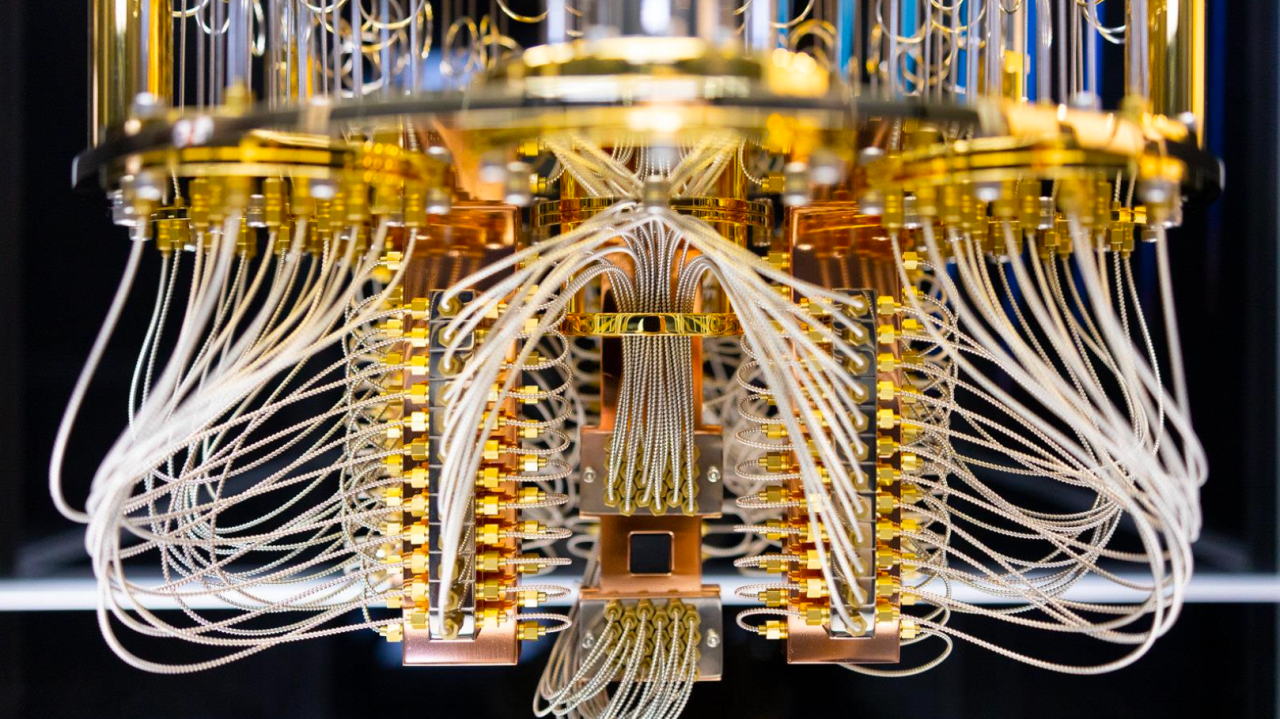
5. Progress on Quantum-Resistant Security
Concerns about the future impact of quantum computing on blockchain security occasionally resurface in the crypto community. While the threat remains largely theoretical, developers are exploring quantum-resistant cryptographic solutions.
Even incremental progress in this area could help reassure investors worried about long-term infrastructure risks.
6. A More Mature Market Structure
Unlike previous crypto bear markets, the current downturn has not been defined by widespread industry collapses. In earlier cycles—particularly in 2022—major corporate failures triggered cascading crises.
Today, the market appears structurally stronger, with improved infrastructure, greater institutional participation, and relatively lower volatility. These factors could make crypto markets more attractive for long-term investors.
A Gradual Turn Rather Than a Sudden Reversal
Experts emphasize that the next crypto bull cycle may not begin with a single headline event. Instead, recovery could unfold gradually as multiple positive developments accumulate over time.
If these catalysts begin aligning, the end of the current bear market may arrive quietly—driven by growing confidence rather than sudden speculation.
You can also freely share your thoughts and comments about the topic in the comment section. Additionally, don’t forget to follow us on our Telegram, YouTube, and Twitter channels for the latest news and updates.