

 Yeliz Akmaca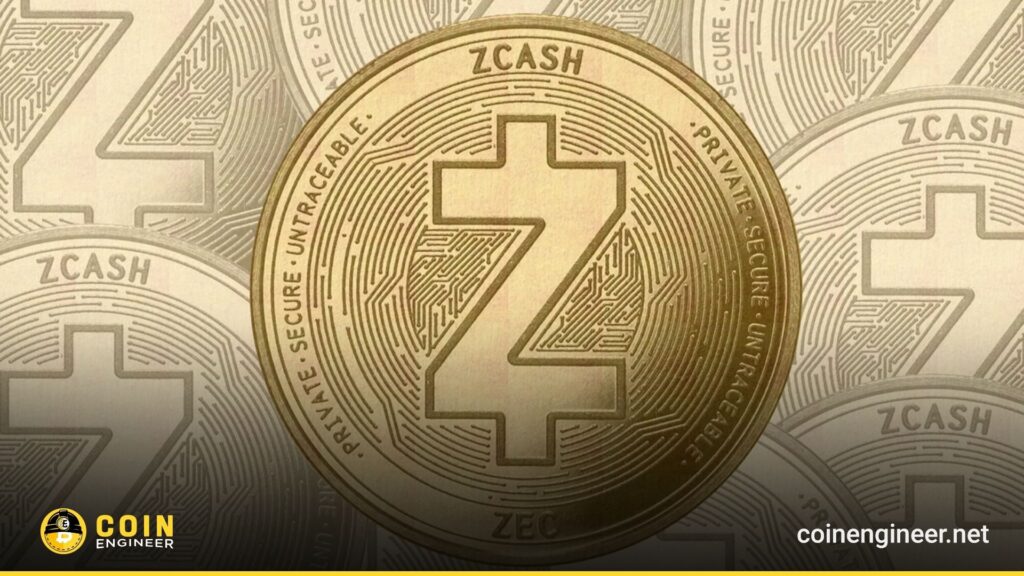
The Zcash ecosystem experienced a sharp break not only in price but also in organizational stability during the first week of the year. The mass resignation of core developers at Electric Coin Company (ECC) triggered a sudden and steep drop in ZEC. After reaching $530 on January 6, ZEC fell to $449 within days. The market interpreted this drop as a governance-related risk signal rather than a simple technical correction.
The timing of the resignations was critical. They followed decisions within Zcash’s management that effectively restricted ECC’s working and decision-making scope, causing delayed but sharp investor confidence losses.
Mass Resignation at ECC and Behind-the-Scenes Tension
ECC CEO Josh Swihart confirmed all employees left the company, avoiding the term “voluntary departure.” He described the event as a constructive dismissal. Conflicts with the Bootstrap board made the company’s founding mission and employment terms unsustainable.
Despite leaving, the team is not entirely gone. The developers announced they are forming a new company with the same mission. Swihart emphasized “same team, same mission,” but the statement did not fully alleviate market uncertainty. The issue centers on governance, not the code itself.
Market Impact Extends Beyond ZEC
ZEC lost over 7% in the last 24 hours, reflecting quickly spreading risk perception. Simultaneously, other altcoins fell sharply. Brev dropped 25% to $0.39, Broccoli74 fell 25% to $0.02771, and Jasmy lost 13% to $0.00831. Bitcoin retreated to $89,641. Smaller projects such as Hajimi, CLASH, and TBK saw losses between 15–20%. Bitcoin’s pullback created a broader altcoin selling wave, with ZEC feeling it more acutely due to the governance crisis.
This pattern shows investors are sensitive not just to a single project but to broader governance and sustainability risks. In projects where leadership and decision-making become unclear, selling pressure intensifies quickly.
Privacy Debate Resurfaces
Zcash is known for zero-knowledge proofs that allow private transactions. Yet this privacy feature has long been debated in crypto. Founding member Eli Ben-Sasson recalled telling Michael Saylor that Bitcoin privacy features were largely unnecessary. Despite the decline, ZEC remains one of the most robust privacy coins, highlighting the gap between technical value and governance practices.
Institutional Interest Continues Amid Timing Sensitivity
Despite the governance crisis, the institutional outlook remains cautiously positive. In late 2025, Grayscale filed to convert Zcash Trust into a spot ETF. Arthur Hayes ranked ZEC as the second-most liquid asset in his family office portfolio and maintained a bullish price view.
Reliance Global Group consolidated its entire digital asset treasury into ZEC, while Cypherpunk Technologies raised $29 million to develop a Zcash treasury strategy. However, these developments alone do not provide clear direction to the market amid ongoing governance uncertainty.
Zcash’s technical infrastructure remains operational; however, the project’s direction is now determined by decision-makers rather than code. In the coming period, it will be governance decisions rather than price charts that shape market movements.
Also, you can freely share your thoughts and comments about the topic in the comment section. Additionally, please follow us on our Telegram, YouTube and Twitter channels for the latest news and updates.