

 Yigit Taha OZTURK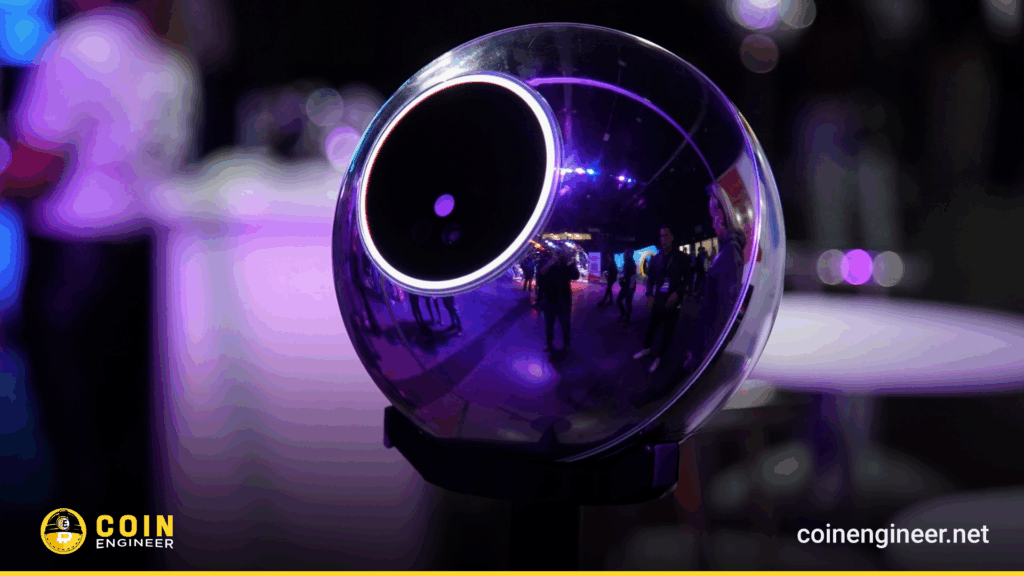
Sam Altman’s Worldcoin is once again under fire as critics claim its biometric identity model may undermine core principles of decentralization, privacy, and self-sovereignty—even as the project champions financial inclusion.
By scanning irises through a proprietary device called the Orb, Worldcoin aims to verify human uniqueness and distribute its WLD token globally. However, experts warn that such a model, reliant on centralized hardware and control points, could become a digital panopticon rather than a tool for freedom.
Decentralization Is a Philosophy, Not Just Code
As Shady El Damaty of Holonym Foundation explains:
“True decentralization prioritizes user agency, not corporate control. Relying on custom devices and closed infrastructures contradicts that ethos.”
Even with privacy-focused tools like zero-knowledge proofs (ZKPs) and multiparty computation (MPC), El Damaty argues the system’s architecture is fundamentally flawed in its promise of decentralization.
Worldcoin, however, defends its model, stating that the World App is non-custodial and no personal data is stored. The company claims all iris data is encrypted and deleted immediately after processing.
A Pattern of Data Overreach?
Critics see a disturbing pattern. El Damaty compares Worldcoin’s biometric data collection to OpenAI’s large-scale scraping of unconsented user data, calling it a “recurring theme” of invasive tech practices marketed as progress.
You Might Be Interested In: Elon Musk Talks About the Name of a New Memecoin!
World distances itself from OpenAI, insisting it neither sells nor retains personal data. But concerns remain—especially as governments in Germany, Kenya, Brazil, and most recently Indonesia push back against the project’s local operations.
Targeting the Vulnerable?
According to critics, Worldcoin is focusing its biometric campaigns on developing countries, where individuals may be more easily swayed by monetary incentives without fully understanding the risks.
El Damaty warns:
“In many regions, people are being coerced into giving up sensitive data for short-term rewards.”
Biometric Divide or Digital Future?
If access to basic services becomes tied to biometric verification, it could create a two-tiered digital society, say critics—those who comply and those who are locked out.
Worldcoin says biometric enrollment is optional, and unverified World IDs can still access limited services. However, as digital services increasingly require stronger identity checks, the pressure to “opt in” may intensify.
As AI and bots proliferate online, systems that prove human identity will be essential. But how that identity is verified—with privacy, or through surveillance—may define the digital future.
You can also freely share your thoughts and comments about the topic in the comment section. Additionally, don’t forget to follow us on our Telegram, YouTube, and Twitter channels for the latest news and updates.