

 Yeliz Akmaca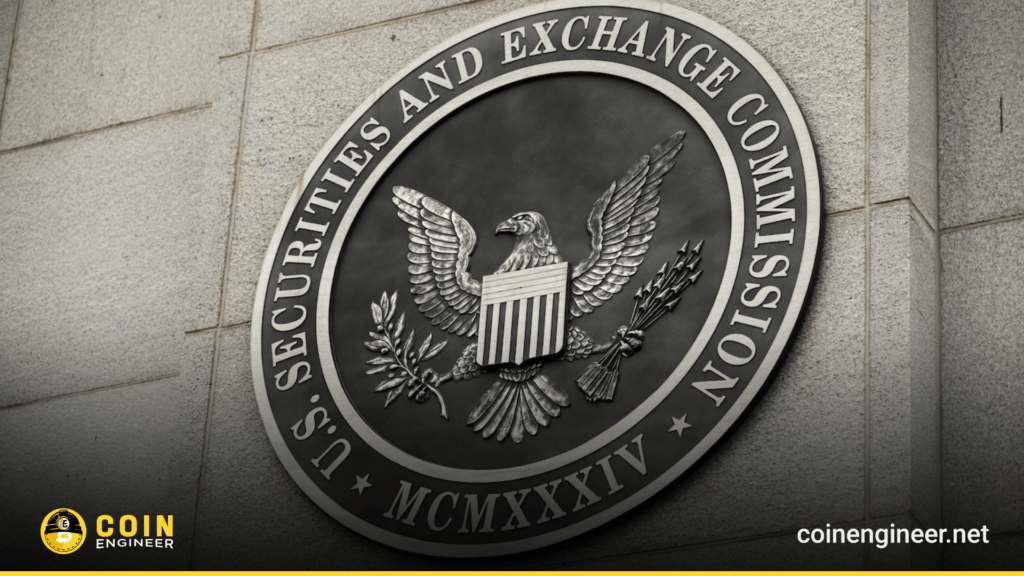
Reasons Behind Delays in Altcoin ETF Decisions
The U.S. Securities and Exchange Commission (SEC) has postponed decisions on Bitwise Dogecoin ETF, Grayscale Hedera Trust, and VanEck Avalanche ETF applications. These delays are occurring despite the agency’s new chairman, Paul Atkins, promising a more crypto-friendly approach.
The SEC explained the postponement by stating, “The commencement of proceedings does not indicate that the Commission has reached any conclusions on the matters at hand.” Additionally, the agency encourages stakeholders to comment on the proposed rule changes. This, combined with requests for Solana ETF issuers to update their S-1 filings, indicates an increasingly complex approval process. Firms like VanEck and 21Shares are particularly concerned about the SEC not applying the “first-filer advantage.” The SEC emphasized that “the Commission has not reached any conclusions” and is “awaiting public comments from relevant parties.”
Market Reactions and Future Expectations
The SEC’s delay caused significant value drops in altcoins like Dogecoin (DOGE), Hedera (HBAR), and Avalanche (AVAX). AVAX fell about 12.5%, HBAR 11.5%, and DOGE 10%. These developments have created short-term uncertainty among crypto investors.
The review process for the Dogecoin ETF began on June 11, 2025. The Hedera ETF process officially started on June 12. The final decision on the Avalanche ETF is expected to be postponed until mid-July, specifically July 15, 2025.
However, Bloomberg analyst Eric Balchunas stated that the likelihood of approval for assets like Solana is increasing by the end of 2025. On the other hand, the decision process for Dogecoin, Hedera, and Avalanche will proceed more cautiously. ETF issuers like VanEck and 21Shares are worried because the SEC is not applying the “first-filer priority” principle. They argue this hinders market competition and innovation. They also request new regulations from the Commission to make registration disclosures fairer and more transparent.
The SEC thoroughly examines the potential for market manipulation, liquidity risks, and the reliability of custody solutions for each ETF application. The delays in altcoin ETFs following Bitcoin ETF approvals indicate that each crypto asset’s unique risk profile is evaluated separately.
You can also freely share your thoughts and comments about the topic in the comment section. Additionally, don’t forget to follow us on our Telegram, YouTube, and Twitter channels for the latest news and updates.