

 Haciyev Reşit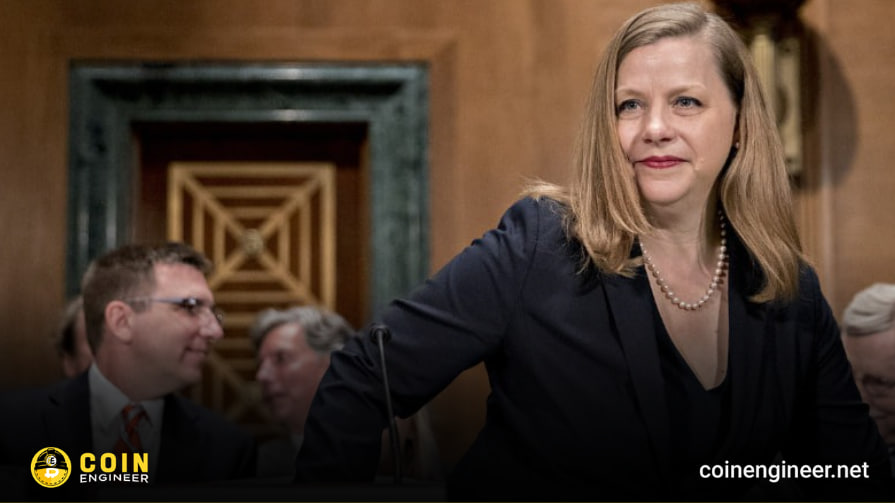
FED Board Member Michelle Bowman sent significant messages regarding cryptocurrency and banking oversight in her recent statements. Bowman noted that during her tenure, she removed certain supervisory guidelines that had previously restricted banks from discriminating against customers based on “reputation risk.”
This change allows banks to accept all legally operating entities as customers without discrimination based on business model, political stance, or other factors.
Table of Contents
ToggleCryptocurrencies and Regulatory Approach
Bowman also took a softer and more collaborative stance toward digital assets. She explained that the “innovation oversight group” established by the FED two years ago has been dissolved, with supervisory expertise now directly transferred to regional FED banks. According to Bowman, Congress-approved regulations allow digital assets to operate legally both inside and outside the banking system.
She further encouraged the industry to collaborate with regulators to address blockchain and other technological challenges, stating:
“I am committed to changing our culture regarding the adoption and integration of technology and new products/services.”
Capital Regulations and Leverage Ratio
Bowman highlighted a new proposal concerning the Supplementary Leverage Ratio (SLR), aimed at supporting banks’ activity in Treasury markets rather than restricting it. She noted that while Basel III compliance has been completed in other countries, the U.S. is crafting its framework while considering international standards.
Additionally, changes to major banks’ rating systems are planned, addressing stress capital buffers, G-SIB additional requirements, Basel III, and leverage ratio regulations collectively.
Oversight Structure and Potential Changes in the U.S.
Bowman also addressed criticisms of the U.S.’s multi-layered supervisory system, emphasizing that it remains necessary for national and state banks. Any potential change to this system would fall under Congress’s authority.
Bowman’s remarks are being interpreted as a strong signal of forthcoming changes in both the cryptocurrency sector and traditional banking. Investors and banking professionals are closely monitoring the FED’s evolving approach.