

 Emre Yumlu
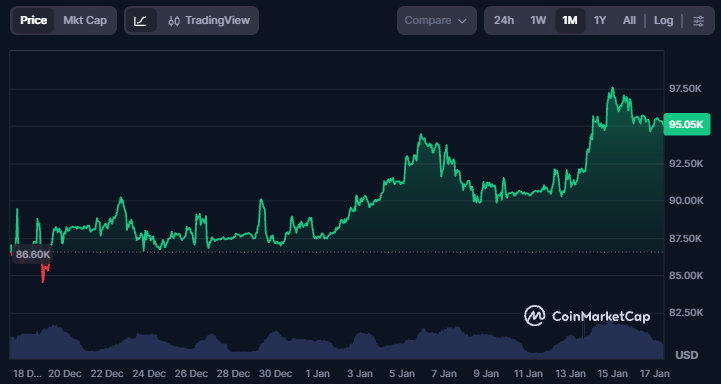
Bitcoin recent price rebound has reignited optimism across the market. However, a closer look at on-chain and market structure indicators suggests that this upward move may not represent a lasting trend reversal. Instead, current price behavior appears more consistent with a temporary rebound occurring within a broader downtrend.
The Debate Around a “Bear Market Rally”
Since November 21, Bitcoin has climbed by roughly 21%. While this recovery has been notable, it followed a sharp decline of approximately 19%, during which Bitcoin fell below its 365-day moving average. This long-term average is widely regarded as a key boundary separating bull and bear market conditions.
Once Bitcoin dropped below this level, the broader market structure shifted toward bearish territory. Although prices have since rebounded, Bitcoin has yet to decisively reclaim the 365-day moving average, which currently sits near the $101,000 level. This failure to regain the long-term trend line has raised questions about the sustainability of the move.
Historical patterns reinforce this caution. In 2022, Bitcoin experienced a similar setup: a strong rally after falling below the same long-term average, followed by renewed selling pressure once prices approached that level. The current market setup shows notable similarities, suggesting that the underlying bearish structure may still be intact.
Demand Signals Remain Fragile
On-chain demand indicators point to limited improvement rather than a broad-based recovery. In the United States, spot buying activity has shown occasional strength, as reflected by brief periods where local prices traded at a premium. However, these bursts of demand have been short-lived and have not translated into sustained accumulation.
Spot Bitcoin ETFs based in the U.S. also provide a mixed signal. While heavy net selling seen in November has slowed, inflows in early 2026 remain modest. Approximately 3,800 BTC has flowed into ETFs so far this year, a level well below what is typically observed during strong bull market recoveries.
Over the past 30 days, spot Bitcoin demand has contracted by roughly 67,000 BTC, remaining in negative territory since late November 2025. This ongoing contraction underscores the lack of broad participation behind the recent price increase.
Rising Exchange Inflows Raise Caution
Another notable development is the increase in Bitcoin transfers to exchanges. Average daily inflows have climbed to around 39,000 BTC, the highest level since late November. Historically, rising exchange inflows following relief rallies have often preceded renewed sell-side pressure.
Overall Market Assessment
Taken together, technical levels and on-chain metrics suggest that Bitcoin remains in a bear market environment. While the recent rally has been impressive, the absence of strong demand and the failure to reclaim key long-term levels indicate that this move may be a temporary reprieve rather than the start of a durable recovery.
You can also freely share your thoughts and comments about the topic in the comment section. Additionally, don’t forget to follow us on our Telegram, YouTube, and Twitter channels for the latest news and updates.