

 Yeliz Akmaca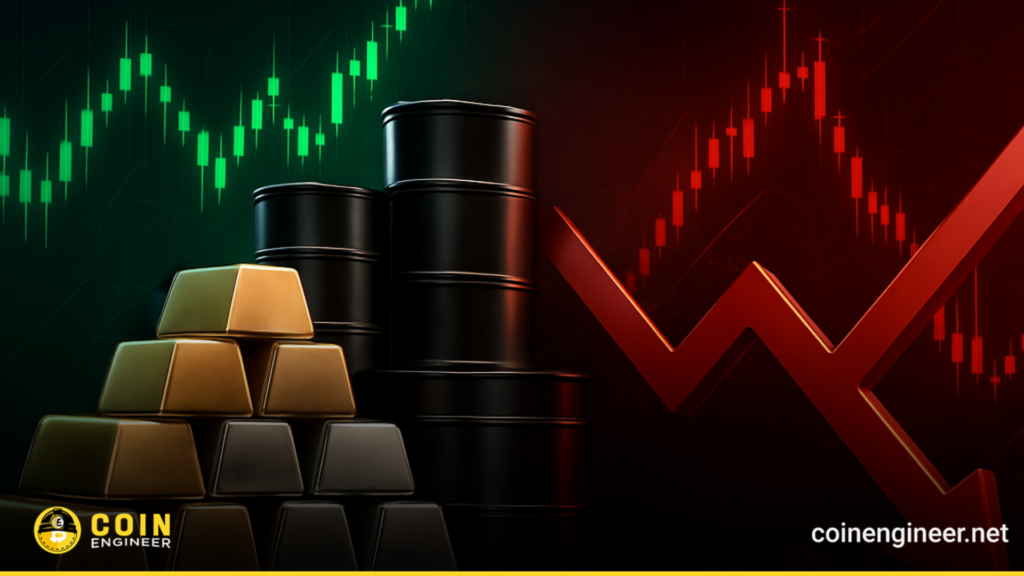
The weekend U.S. and Israel operation against Iran triggered a sharp selloff in equity futures as oil prices surged and Middle East uncertainty spiked investor concerns. Dow, S&P and Nasdaq futures fell in early trading; investors fled short‑term risk and rotated into gold.
U.S. and Israeli strikes on Iran sent Dow Jones Industrial Average futures down 375 points, oil prices up 8%, and gold futures up 1.6%. Traders remain on edge amid geopolitical tensions and worries about potential supply disruptions.
Equity Futures Slip and Safe‑Haven Shift
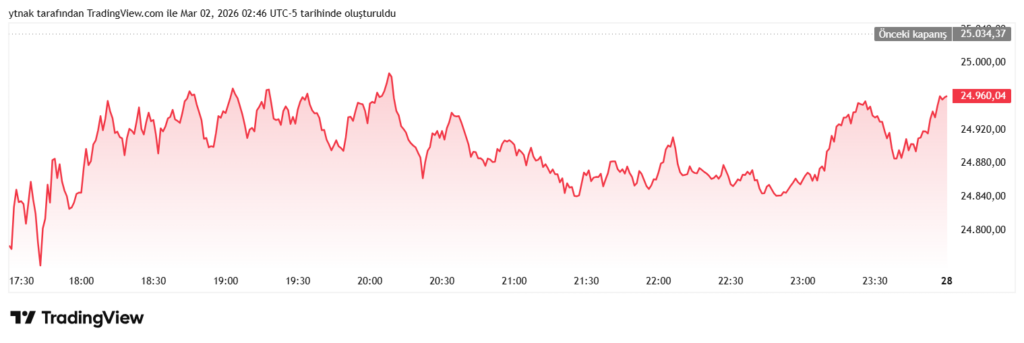
Dow Jones Industrial Average futures slid 375 points (‑0.77%), the S&P 500 fell 0.74%, and Nasdaq 100 futures dropped 0.85%. Gold futures climbed 1.6% as investors sought safety.
Today, spot gold (XAU/USD) is trading around $5,278/oz, while spot silver (XAG/USD) is near $95/oz. These moves reflect flight‑to‑safety demand as traders price in escalating risk.
Barclays strategist Ajay Rajadhyaksha sees the risk of a prolonged conflict higher than in 2024–2025, noting that habitual quick de‑escalation trading models may be premature for dip buying.
Oil Market Uncertainty and Strait of Hormuz Risk
U.S. crude prices jumped roughly 8% in early trading on fears that wider conflict could disrupt global supply. Iran remains the fourth‑largest OPEC producer, and leadership ambiguity persists.
A prolonged stoppage at the Strait of Hormuz, a critical chokepoint for crude flows, could reverberate through global energy markets and reignite inflation pressures. Adam Hetts, Global Head of Multi‑Asset at Janus Henderson, said rising uncertainty dampens investor confidence and adds pressure on risk assets; extended uncertainty and higher oil could fuel inflation fears.
AI Sector Volatility Adds to Geopolitical Strain
The equity market was already fragile before the conflict. The S&P 500 closed February in the red, as investors questioned whether rapid AI adoption might disrupt traditional software business models. Rising automation and layoff concerns add to broader economic anxieties.
Citi strategists say short‑term impacts may be limited, but extended friction can’t be ruled out. The reported death of Ayatollah Ali Khamenei could amplify long‑term economic drag when coupled with AI‑driven business model shifts. The promise of efficiency takes a back seat under the shadow of geopolitical turmoil.
Frequently Asked Questions
Q: How did the U.S.–Iran clash affect equity futures?
A: Dow, S&P and Nasdaq futures fell by roughly 0.7–0.85% as investors rotated into safe havens.
Q: Why did oil prices rise?
A: Tensions over Iran’s nuclear program and Middle East uncertainty raised concerns about supply disruptions, pushing oil up about 8%.
Q: How did gold react?
A: Gold futures rose 1.6% as traders sought safe‑haven assets amid risk aversion.
Q: Why is the Strait of Hormuz significant?
A: The strait is a critical global oil transit point; long‑term disruptions could trigger broader energy market volatility and inflationary pressures.
Q: How does Hamaney’s death affect markets?
A: Beyond short‑term swings, coupled with AI‑linked economic shifts, it may heighten prolonged friction in markets.
You can also freely share your thoughts and comments about the topic in the comment section. Additionally, don’t forget to follow us on our Telegram, YouTube, and Twitter channels for the latest news and updates.