

 Yeliz Akmaca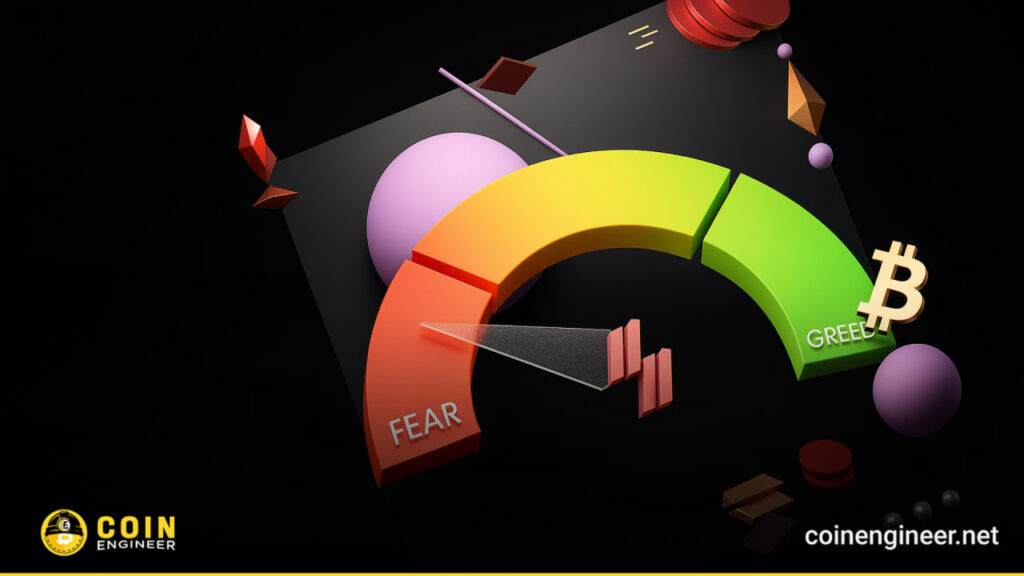
Crypto market sentiment remains stuck in extreme fear as December draws to a close. Despite Bitcoin trading far above past crisis levels, investor confidence continues to erode. The growing gap between price and sentiment now points to a deeper behavioral breakdown, not short-term volatility.
Why Crypto Sentiment Remains Under Heavy Pressure
The Crypto Fear & Greed Index fell to 20 out of 100 on December 26, staying firmly within the extreme fear zone. The index has failed to recover since entering this range on December 13, marking one of its longest sustained periods of negative sentiment since its launch in 2018.
What stands out is that current sentiment is worse than during the 2022 FTX collapse. At that time, Bitcoin was trading near $16,000. Today, Bitcoin hovers around the $88,000 level. Yet investor confidence is weaker now than during one of the industry’s most damaging crises.
This contrast highlights a clear disconnect between price levels and market psychology. Investors appear increasingly focused on sustainability, liquidity conditions, and structural risk rather than headline prices.
Macro Pressure and the Investor Behavior Divide
The deterioration in sentiment began to accelerate in early October. Renewed US–China trade tensions triggered a sharp sell-off, wiping roughly $500 billion from the crypto market in a short period. The shock pushed many short-term participants to the sidelines.
At the same time, expectations that the US Federal Reserve may pause rate cuts in early 2026 have constrained risk appetite. Some market participants warn that Bitcoin could revisit the $70,000 range under tighter financial conditions. These warnings have amplified uncertainty rather than encouraging dip-buying behavior.
A notable behavioral split has emerged. Crypto-native retail investors remain cautious, while interest from traditional finance investors continues to grow. Capital inflows into spot Bitcoin ETFs clearly reflect this divergence in participation.
What Search and Social Data Reveal
Falling sentiment is also visible beyond price action and indices. Google search trends, Wikipedia views, and activity across online crypto forums have declined sharply.
This drop suggests that retail investors have largely shifted into a wait-and-see mode. Historically, shrinking social engagement aligns with periods of reduced risk appetite. In contrast, institutional demand—especially through ETFs—has remained comparatively stable.
As a result, the market faces a near-term environment defined more by hesitation than momentum.
Why It Matters
Extended periods of extreme fear are often associated with liquidity contraction and lower trading volumes. These conditions increase the risk of sharp, unstable price moves. The current environment suggests the market is searching not just for direction, but for renewed confidence.
As long as fear persists, price action alone may struggle to restore participation. The next major shift is likely to depend on when investor trust begins to return.
You can also freely share your thoughts and comments about the topic in the comment section. Additionally, don’t forget to follow us on our Telegram, YouTube, and Twitter channels for the latest news and updates.