

 Emre Yumlu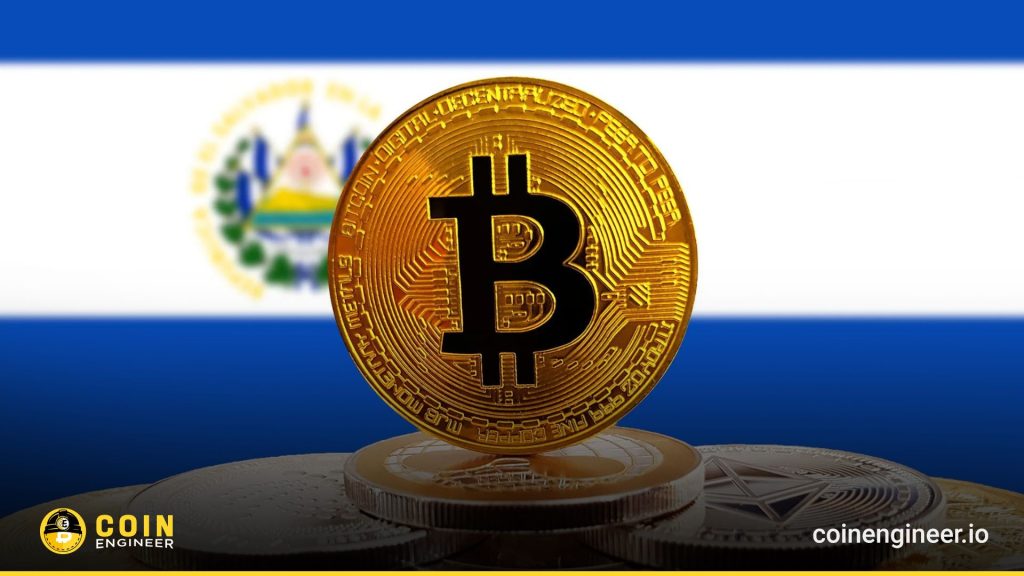
El Salvador has once again made headlines by expanding its national Bitcoin (BTC) reserve. Over the past week, the country added 8 more BTC to its holdings, pushing the total to 6,229 BTC, valued at approximately $677 million. This steady and strategic accumulation reflects El Salvador’s long-term belief in Bitcoin as a cornerstone of its financial future.
Not Just Buying — A Diversified Bitcoin Strategy
El Salvador’s Bitcoin acquisition approach goes beyond direct purchases. Revenue generated from the state-backed digital wallet Chivo, along with Bitcoin mined via geothermal energy from volcanoes, contributes to the nation’s growing digital treasury. This multifaceted strategy showcases an unconventional yet calculated economic model focused on digital asset growth.
President Nayib Bukele frequently announces new Bitcoin purchases via social media, often during price dips — embracing a clear “buy the dip” strategy. This hands-on approach aims to turn market volatility into long-term opportunity.
The Role of the National Bitcoin Office (ONBTC)
At the center of the country’s crypto efforts is the National Bitcoin Office (ONBTC), which oversees everything from treasury management and public education to regulation and global collaboration. The recent public disclosure of updated BTC holdings reflects the ONBTC’s emphasis on transparency and accountability in managing digital assets.
Bitcoin as a Path Toward Economic Independence
Although El Salvador’s BTC holdings are currently valued around $674 million, the real significance lies in the nation’s broader economic vision. The government sees Bitcoin as a tool to reduce dependence on the U.S. dollar, attract foreign investment, boost tourism, and offer financial services to the unbanked population. With an expectation that Bitcoin will increase in value over time, the strategy could substantially enhance national wealth and support future public initiatives.
Bold Vision, Real Risks
This pioneering crypto strategy does come with its share of risks. The volatile nature of Bitcoin means fluctuations in the value of national holdings could affect the country’s financial stability. International financial institutions have raised concerns about potential threats to macroeconomic health and consumer protection. Still, El Salvador remains committed to its crypto course.
Looking forward, plans like “Bitcoin City”, powered by volcanic geothermal energy, and continued investments in crypto education and infrastructure aim to deepen the country’s integration with blockchain technology.
Also, in the comment section, you can freely share your comments and opinions about the topic. Additionally, don’t forget to follow us on Telegram, YouTube and Twitter for the latest news and updates.