

 Emre Yumlu
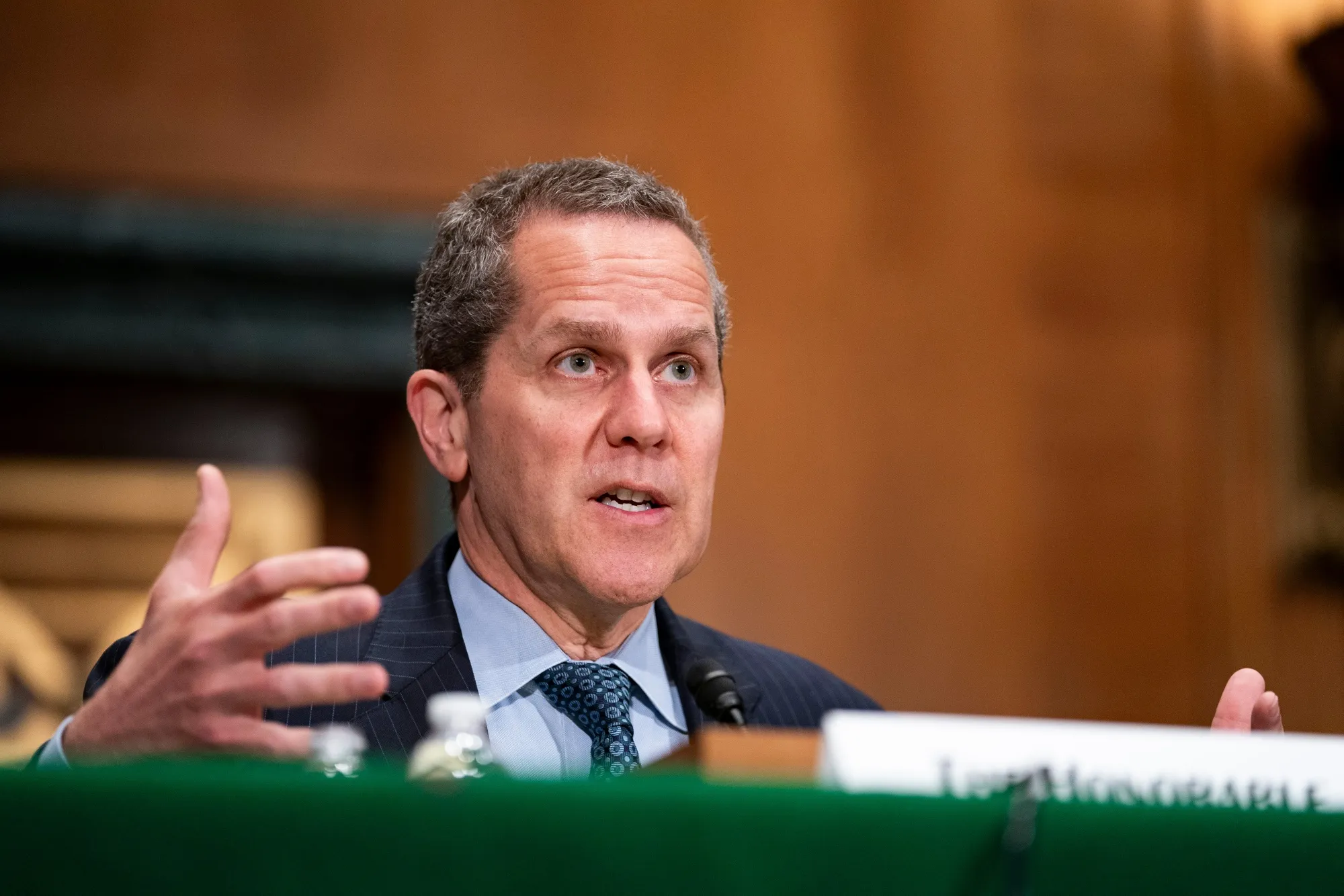
Federal Reserve (FED) Governor Michael Barr delivered notable remarks on the current direction of U.S. monetary policy, signaling that expectations for near-term rate cuts may be premature. According to Barr, the prevailing economic outlook supports keeping policy rates unchanged for the time being. He emphasized that acting without thoroughly evaluating incoming data would be imprudent, reinforcing the Fed’s data-dependent approach.
Inflation Remains a Central Concern
Fed Governor Barr made it clear that inflation risks have not fully subsided. While price pressures have eased compared to prior peaks, inflation continues to run above the Federal Reserve’s 2% target. He stressed that policymakers need more consistent and convincing evidence that inflation is sustainably moving back toward that objective before considering any rate reductions.
Although declining commodity prices offer a constructive signal, Barr indicated that further confirmation is necessary to ensure the disinflationary trend is durable. He also noted that the neutral interest rate may have edged slightly higher, but not to a degree that would fundamentally alter the current policy framework. The Fed, he suggested, remains well positioned to maintain its stance. Additionally, he expressed cautious optimism that inflation could soften later in the year as the impact of tariffs gradually diminishes.
Labor Market: Stable but Sensitive
Recent data point to relative stability in the labor market, with employment conditions appearing broadly balanced. However, Barr cautioned that the labor market remains vulnerable to potential economic shocks.
Regarding artificial intelligence, he stated that there is currently no strong evidence that AI adoption has significantly increased unemployment. Nevertheless, he acknowledged that over the longer term, technological transformation could introduce structural shifts in employment patterns that warrant close monitoring.
Artificial Intelligence and Monetary Policy
Barr also addressed the surge in AI-related investment, describing it as largely indifferent to the Fed’s interest rate targets. In his view, the ongoing technology-driven investment wave is progressing independently of current monetary policy settings. As such, AI expansion alone does not justify a shift toward rate cuts.
While AI has the potential to enhance productivity and improve living standards over time, Barr noted that it remains unclear whether the recent productivity gains are structural or cyclical. For now, the Federal Reserve’s priority remains clear: securing convincing evidence that inflation is sustainably returning to its 2% target before adjusting policy.
You can also freely share your thoughts and comments about the topic in the comment section. Additionally, don’t forget to follow us on our Telegram, YouTube, and Twitter channels for the latest news and updates.