

 Yeliz Akmaca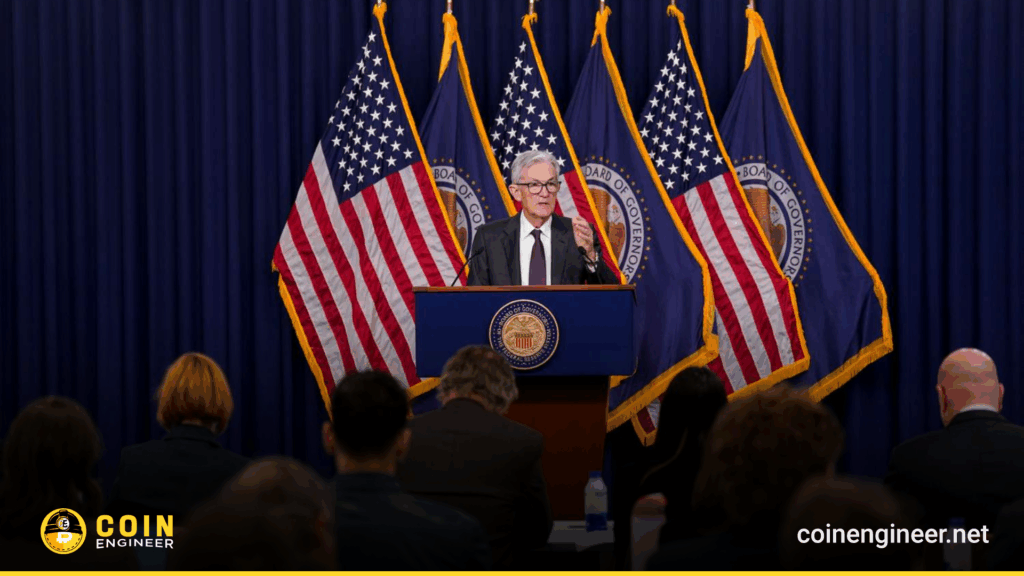
- The Fed kept interest rates steady at the 4.25%-4.5% range at its May 6–7, 2025 meeting.
- It emphasized that tariffs could increase inflation and trigger economic uncertainty.
- Economic growth remains solid, and the labor market is balanced, but downside risks have increased.
- U.S.-China tariffs were suspended, and bond yields continued to rise.
Federal Reserve Discusses Inflation and Tariff Risks
The U.S. Federal Reserve (Fed) made significant decisions during its Federal Open Market Committee (FOMC) meeting on May 6-7, 2025. Officials highlighted that tariffs could increase inflation, creating a challenging dilemma for interest rate policy. The minutes emphasized a cautious approach amid rising economic uncertainties. The Fed kept the federal funds rate steady at 4.25%-4.5%. Officials noted that economic growth remains solid, but risks of labor market weakening have increased. While consumers continue spending, concerns about persistent inflation have grown. Additionally, policy uncertainties are complicating the goals of full employment and low inflation.
The Fed expressed concerns about variability in trade policies. Tariffs between the U.S. and China eased after the meeting, with both sides suspending heavy taxes for a 90-day negotiation period. This supported a recovery on Wall Street. However, bond yields continued to rise. Powell defended the Fed’s independence against Trump’s pressure for rate cuts. The meeting also reviewed the Fed’s five-year policy framework. Officials evaluated the “flexible average inflation targeting” strategy, noting it could be ineffective during major inflationary shocks. No plans to change the inflation target were announced.
Trade Policies and Financial Stability Risks
The Fed discussed the volatile policies of the Trump administration. While tariffs were suspended, they were not fully lifted. Officials noted that bond market volatility could threaten financial stability. Rising Treasury yields may have long-term economic impacts. The risk of both inflation and unemployment rising was emphasized, potentially forcing the Fed into a tough choice between tight monetary policy and supporting growth. Additionally, the Fed renewed dollar and currency swap lines to support global financial stability, aiming to address liquidity needs.
Post-meeting, Trump delayed 145% tariffs on China, impacting bond yields and recession expectations. Consequently, markets do not expect a rate cut until the September meeting. The Fed is awaiting greater clarity due to policy uncertainties. Officials acknowledged the increasingly complex economic outlook. Inflation nearing the 2% target is making the Fed’s decisions more challenging. Financial market volatility is heightening recession risks. The Fed aims to both control inflation and support growth.
You can also freely share your thoughts and comments about the topic in the comment section. Additionally, don’t forget to follow us on our Telegram, YouTube, and Twitter channels for the latest news and updates.