

 Emre Yumlu
Global markets remain focused on the policy path of the U.S. Federal Reserve (FED). According to two separate surveys conducted by Reuters, economists largely expect a measured easing cycle rather than an aggressive pivot. The median projection points to two rate cuts in 2026, reflecting a cautious approach shaped by inflation dynamics and fiscal considerations.
When Could the First Fed Cut Arrive?
Survey participants anticipate that the first rate reduction could come in June 2026. This timing is notable, as it would coincide with the expected leadership transition to Kevin Warsh as Fed chair. Market participants appear to be factoring in the possibility that a new chair could adopt a somewhat more flexible monetary stance, though expectations remain anchored to data-dependent decision-making.
Importantly, economists are not projecting a rapid easing cycle. Instead, the outlook suggests a gradual recalibration of policy, contingent on inflation trends and broader macroeconomic conditions.
Bond Markets Are Already Pricing It In
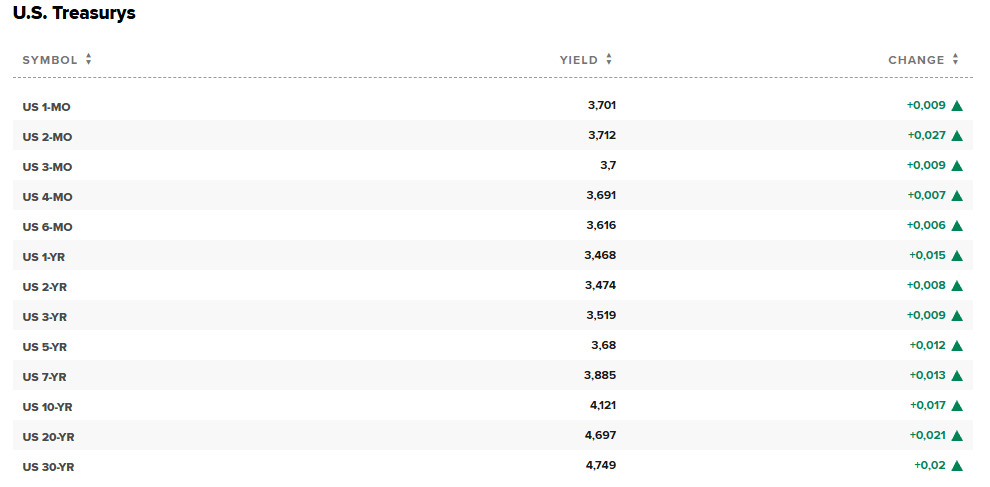
Rate-cut expectations are reflected in short-term Treasury yields. Forecasts for the interest rate–sensitive two-year U.S. Treasury yield suggest a decline from 3.50% to 3.45% by the end of April, followed by a further drop to 3.38% by the end of July. These projections indicate that financial markets are already adjusting to the possibility of moderate easing.
However, the longer end of the curve tells a different story. The median forecast for the 10-year benchmark yield stands at 4.29% over the next year, up from last month’s 4.20% expectation. Analysts attribute this upward bias to persistent inflation pressures and concerns surrounding central bank independence.
Fiscal Policy Complicates the Picture
A significant portion of surveyed bond strategists believe rising Treasury issuance in the coming years could limit the Fed’s ability to meaningfully shrink its $6.6 trillion balance sheet. Expanded borrowing—potentially linked to tax reductions and fiscal spending initiatives—may increase supply in the bond market, influencing long-term yield dynamics.
This evolving interplay between fiscal expansion and monetary normalization suggests that future rate decisions will not be driven solely by inflation and growth data. Instead, public debt dynamics and market stability considerations are likely to play a growing role in shaping the Fed’s policy trajectory.
This content is not investment advice. Financial markets involve significant risk, and investors should conduct their own research before making any decisions.
You can also freely share your thoughts and comments about the topic in the comment section. Additionally, don’t forget to follow us on our Telegram, YouTube, and Twitter channels for the latest news and updates.