
 Emre Yumlu
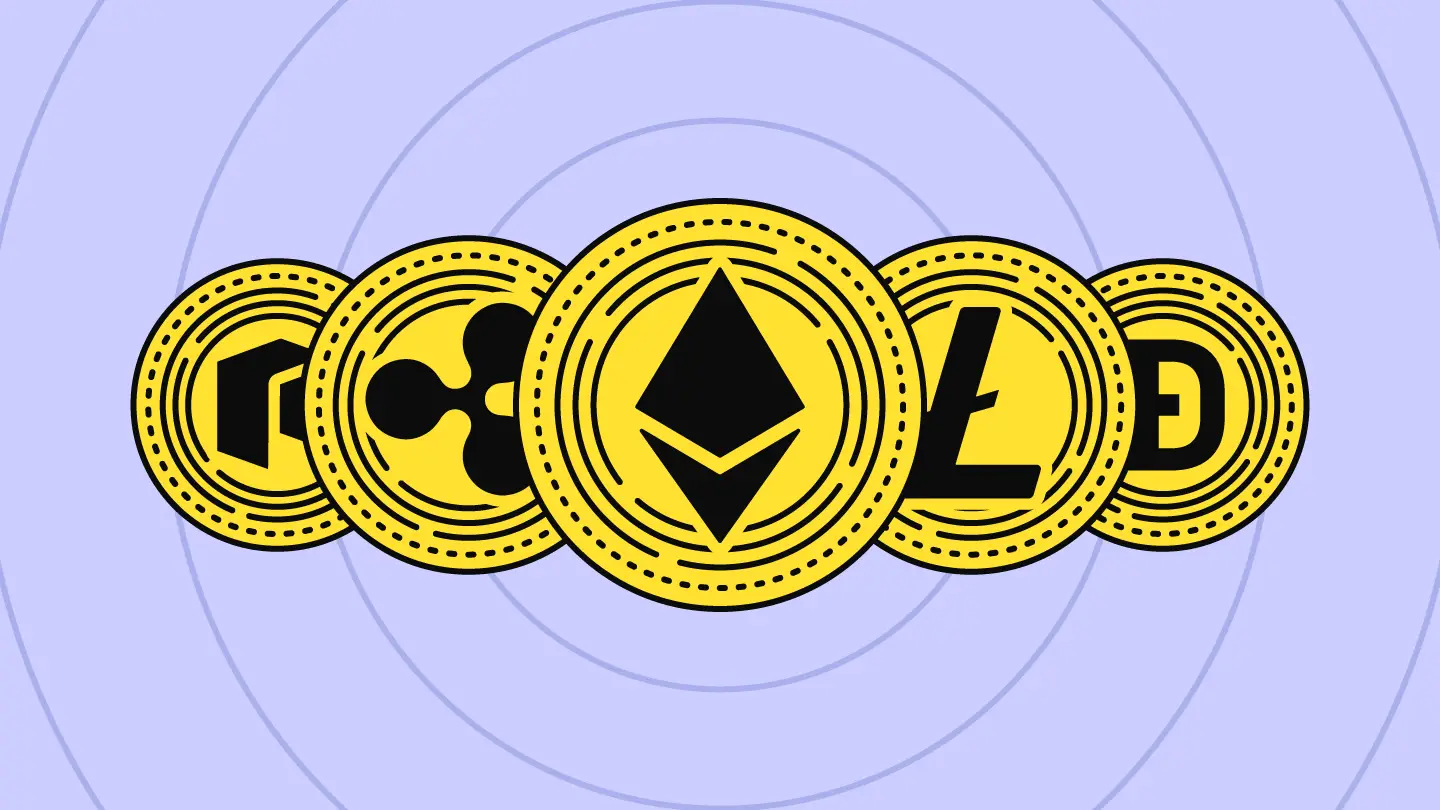
Investing in the cryptocurrency world is as exciting as it is risky. Especially altcoins can offer high-profit opportunities while also leading to significant losses. So, how do you choose the right altcoin? In this article, we will examine the basic criteria you should pay attention to before investing in an altcoin in detail.
1. Analyzing the Fundamental Features of the Altcoin
The first step in choosing an altcoin is to understand the fundamental features of the project.
Project history and team: When did the altcoin project start? How many people were in the initial team, and are these people experienced in the industry? A successful altcoin usually has an experienced team behind it.
Is it a new coin?: An altcoin may be a fork of an existing cryptocurrency or a completely new coin entering the market. If it is a fork, what are the differences and additional features compared to the previous coin? These differences are critical to understanding the value of the project.
Logic of blockchain usage: Is the project’s business idea meaningful without blockchain technology? In other words, is the technology just decoration, or is it really at the core of the business? If there is no value when blockchain is removed, this project may not be sustainable in the long term.
Target audience and problem-solving: Who is the target audience of the project? How large is this audience? Also, does the project solve a real problem? A project with no real-world counterpart can be risky for investors.
2. Evaluating the Whitepaper
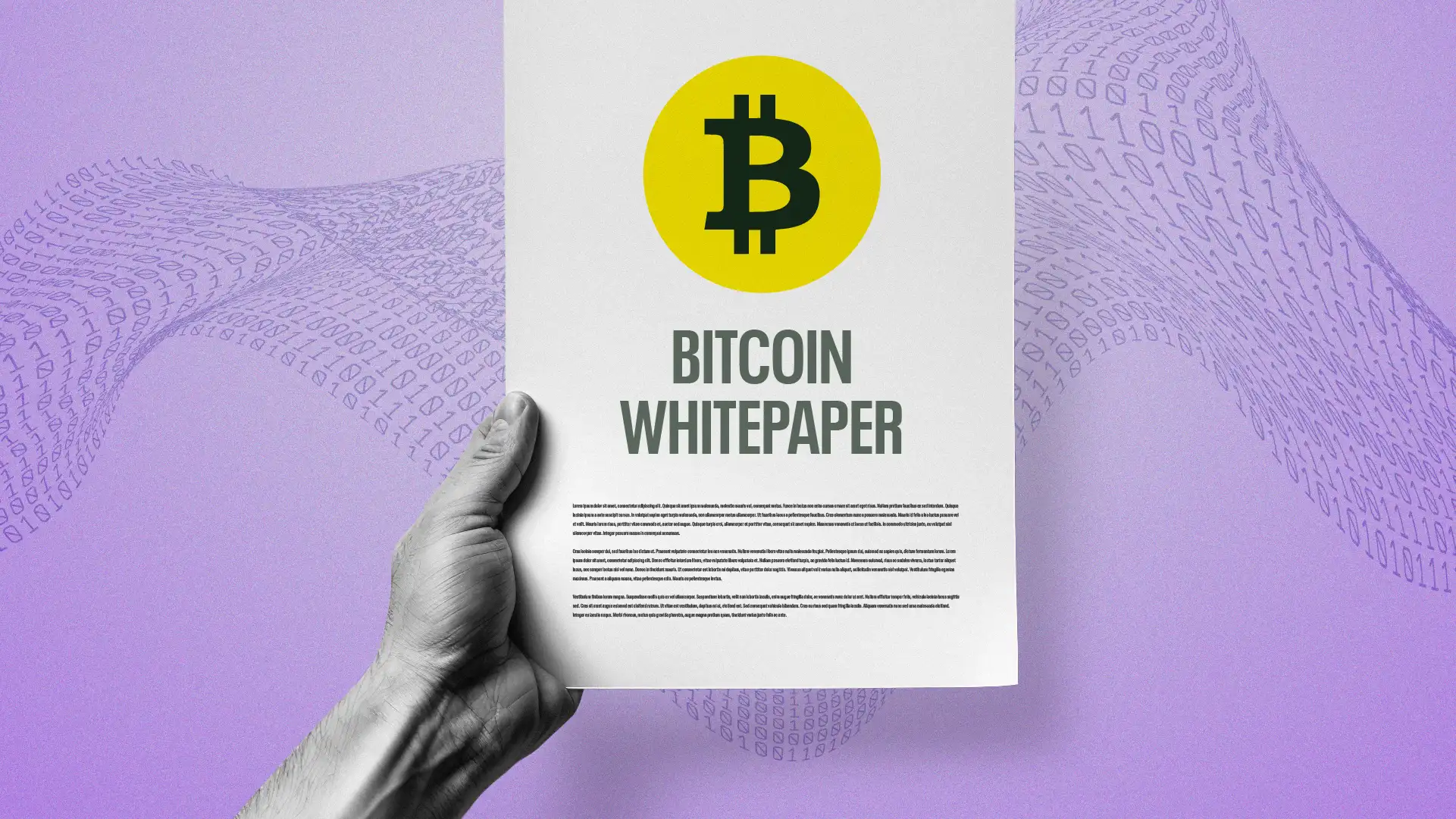
The whitepaper is the document that presents the vision, technical details, and plans of an altcoin.
Professionalism and language: Is the whitepaper professional? Are there spelling or grammar mistakes? A high-quality document shows how seriously the team approaches their work.
Short Summary: How engaging is the project’s short summary? The summary should help investors quickly understand the project.
Advantages and competition: What are the main advantages of the project? Are its differences and strengths compared to competitor projects clearly stated? Technical details show how well the project solves the problem it addresses.
3. Evaluating the Roadmap
The future of an altcoin is shaped by its roadmap. The roadmap shows the project’s plans, goals, and progress strategy.
Detailed and dated roadmap: Are there clear dates on the roadmap? Can the specified dates be met? This shows the project’s discipline and reliability.
Future developments: Does the project indicate which developments will be made in the near future? These developments can have a potential impact on the price. Important updates or new features can especially increase investor interest.
Short-term and long-term goals: The roadmap should not only consist of big dreams. There should be concrete and achievable goals. Investors can evaluate the feasibility of the roadmap at this point.
4. Marketing Strategies
Altcoin projects should not only be technically strong but also supported by marketing strategies.
Project progress: Is the altcoin currently in the ICO stage, or is it trading on exchanges? If it has launched, on which exchanges is it listed?
Competitor analysis: Who are similar projects? How does the project differ from its competitors? The marketing strategy is a critical factor for the project to stand out.
Advertising and real value: Projects that advertise too much are generally risky. Advertising may try to cover the project’s real value. Investors should focus on concrete progress instead of advertisements.
5. Importance of the Team
In altcoin projects, the team plays a critical role in the project’s success.
Founders and leaders: Who is managing the project? Are the leaders experienced in the industry, or is it their first time in this business? Experienced leaders provide an advantage in keeping the project alive during challenging periods.
Developers: Which developers are involved in the project? You can check their previous projects on LinkedIn or similar platforms. Additionally, designers and marketing teams are important to implement the project correctly.
Media and marketing team: Who manages the project’s marketing strategy? Social media posts and community interactions show how much the team is in control of the project.
6. Coding System
The technical structure of altcoin projects is a determining factor for long-term value.
Github activity: Check if the project is active on Github or similar platforms. The number and content of commits show how regularly the team works.
Open source and security: Is the source code open? Is the code reviewable, and is there any copied content? Open-source code provides transparency and can be audited by the community.
Wallet and infrastructure: Does the project have its own wallet, or will transactions be done through existing wallets? Projects with their own infrastructure generally provide long-term security.
7. Community and Social Media
The community of an altcoin plays a significant role in the project’s success.
Social media follower count: How many followers do the project’s official social media accounts have? What are the engagement rates like?
Telegram and Discord groups: Are there official groups for the project, and are they active? An active community increases the adoption and reach of the project.
Online trust: Are there warnings such as “scam” or fraud in Google searches? Negative results can be a signal to reassess the project.

8. Extra Tips
In addition to the criteria above, there are a few extra points to consider when choosing an altcoin:
Liquidity: On which exchanges is it traded, and what is the trading volume? Low-liquidity altcoins may cause issues during buying and selling.
Tokenomics: What is the total supply of the coin, circulating supply, and staking mechanisms? Tokenomics affects the long-term price trajectory.
Partnerships and collaborations: Which companies or platforms does the project collaborate with? Partnerships increase the project’s credibility.
You can also freely share your thoughts and comments about the topic in the comment section. Additionally, don’t forget to follow us on our Telegram, YouTube, and Twitter channels for the latest news and updates.