

 Emre Yumlu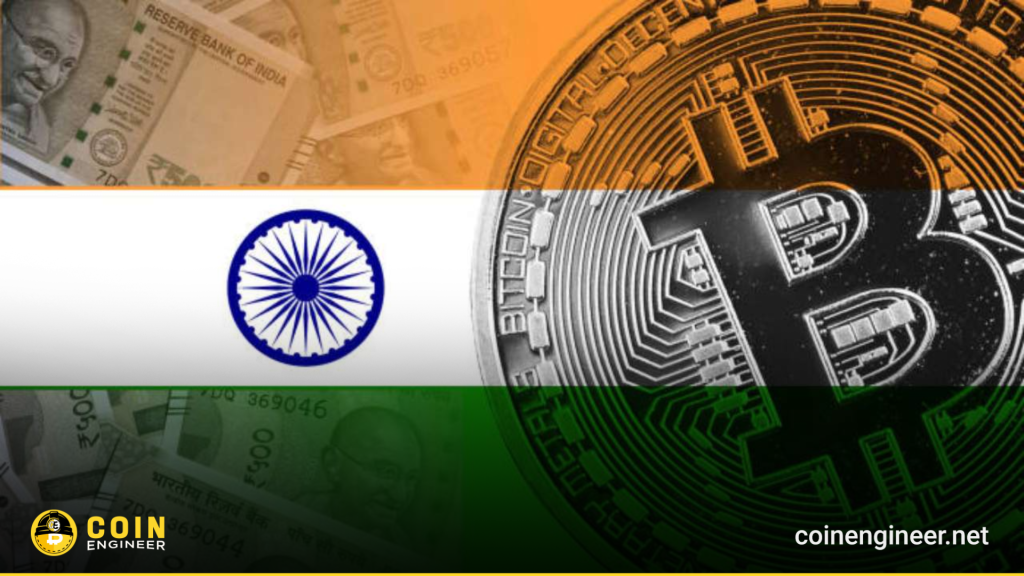
The Reserve Bank of India (RBI) is expanding its digital rupee initiatives with new use cases. According to the Annual Report for 2024–25, both retail (e₹-Retail) and wholesale (e₹-Wholesale) forms of the central bank digital currency (CBDC) will now be tested with features like programmability and offline payments.
These innovations are designed to improve usability in areas with limited internet access and to support specific payment scenarios such as government subsidies or corporate spending limits.
Pilot Programs Expand Further
The ongoing retail pilot is currently being tested with selected customers and businesses through 17 participating banks. So far, it has reached 600,000 users. As part of its scaling strategy, the RBI has allowed certain non-financial entities to provide access to CBDC wallets.
Meanwhile, the wholesale version, e₹-Wholesale, is focused on interbank transactions. The scope of this pilot has been widened with the inclusion of four standalone primary dealers (SPDs).
India Leads in Digital Payment Growth
During the 2024–2025 financial year, India saw significant growth in digital payments. Transaction volume increased by 34.8%, while transaction value rose by 17.9%. This momentum has strengthened India’s position as a global leader in real-time payment systems.
The central bank noted that India accounted for 48.5% of global real-time payment volumes, largely due to the widespread use of the Unified Payments Interface (UPI) system.
To further expand access, several new features were introduced. One of them, “Delegated Payments,” enables a primary user to authorize another person to conduct UPI transactions within a preset limit from their bank account.
Supreme Court Urges Regulation of Digital Assets
On May 20, the Supreme Court of India criticized the government’s lack of clear regulation for cryptocurrencies. Despite a 30% tax on crypto asset profits, the absence of a legal framework was labeled a risk that could fuel a parallel economy.
Justice Surya Kant warned that this situation could pose a threat to the country’s financial stability. Despite growing oversight, interest in crypto remains high across India, with over 100 million digital asset holders in a population of approximately 1.4 billion.
You can also freely share your thoughts and comments about the topic in the comment section. Additionally, don’t forget to follow us on our Telegram, YouTube, and Twitter channels for the latest news and updates.