

 Yigit Taha OZTURK
In a surprising turn of international crypto diplomacy, Pakistan has stepped into the global spotlight—this time with a bold plan involving a Strategic Bitcoin Reserve. And where was this plan revealed? At the White House, directly to former President Donald Trump’s top crypto officials.
Bilateral Talks on Digital Assets Held in Washington
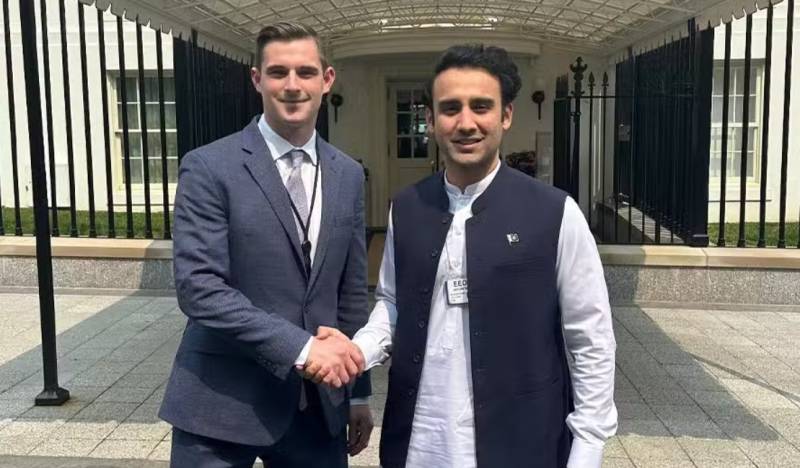
Bilal Bin Saqib, Pakistan’s Minister of State for Crypto and Blockchain, met with Robert “Bo” Hines, executive director of Trump’s Council on Digital Assets. According to a report by 24NewsHD, the two discussed broad collaboration across Bitcoin, decentralized finance, and cross-border innovation.
Following the meeting, Saqib emphasized:
“It is my mission to position Pakistan as a global leader in digital assets. We’re establishing a Bitcoin reserve and building infrastructure for AI data zones and crypto mining.”
The Trump administration, through Hines and Council Chair David Sacks, has previously expressed strong interest in ensuring the U.S. leads globally in digital asset innovation.
Pakistan Eyes Bitcoin Mining With 2,000 Megawatts of Surplus Power
Beyond creating a reserve, Pakistan is also aiming to convert 2,000 megawatts of surplus electricity into Bitcoin mining and AI-focused infrastructure. The plan is designed to turn underused national resources into digital productivity while boosting employment and modernization.
You Might Be Interested In: Elon Musk Talks About the Name of a New Memecoin!
The country is also building a regulatory framework. On May 21, Pakistan’s Finance Ministry approved the creation of the Pakistan Digital Assets Authority (PDAA), a new body set to regulate exchanges, custodians, wallets, stablecoins, and DeFi protocols.
IMF Flags Concerns Over Energy Use Amid Economic Strains
However, not everyone is convinced. On May 31, the International Monetary Fund (IMF) raised concerns about the legality and viability of allocating so much energy to crypto mining during an ongoing financial assistance negotiation.
The IMF asked Pakistan’s Finance Ministry to clarify the legal grounds and energy impact of the initiative, especially as the nation battles chronic power shortages and economic instability.
Whether Pakistan can strike a balance between digital innovation and fiscal responsibility remains a critical question in the coming months.
You can also freely share your thoughts and comments about the topic in the comment section. Additionally, don’t forget to follow us on our Telegram, YouTube, and Twitter channels for the latest news and updates.