

 Yigit Taha OZTURK
Legacy telecom infrastructure has long posed challenges — high costs, spotty coverage, and rigid expansion models. But with decentralization, a new era is emerging, one where even a local store can contribute to and benefit from global network infrastructure.
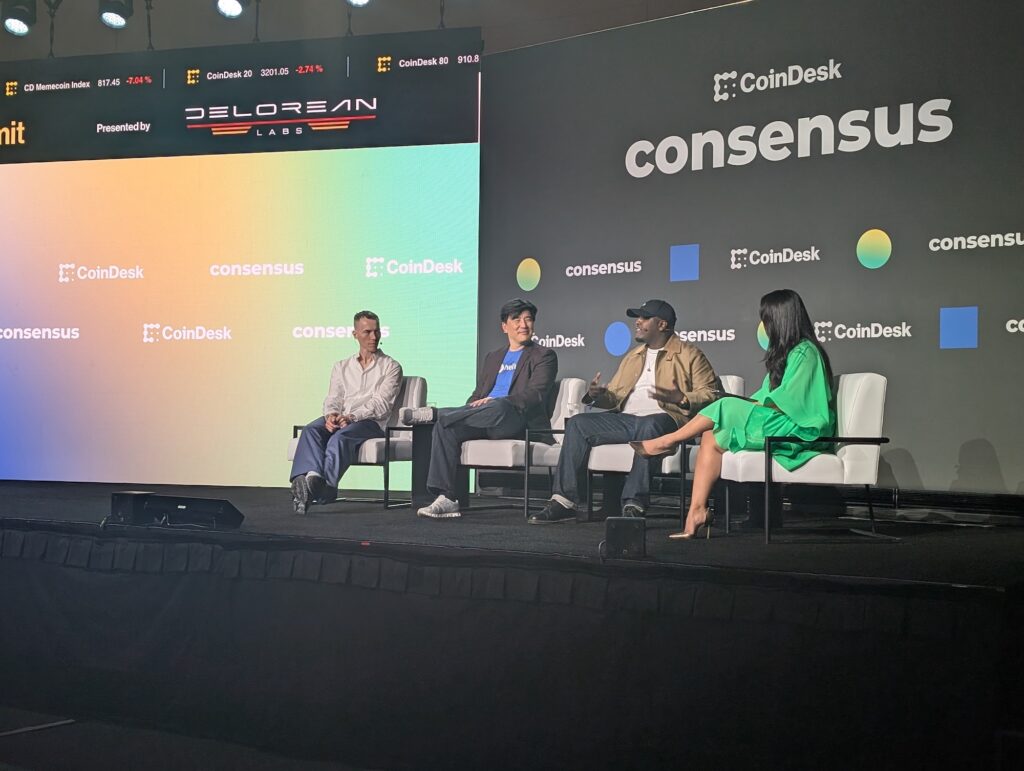
Speaking at Consensus 2025 in Toronto, Frank Mong, COO of Nova Labs, explained how decentralized networks like Helium are reshaping the industry. Small businesses such as cafes, bars, and convenience stores can now host wireless hotspots and generate passive income.
Replacing Towers With Shared Wi-Fi
“It costs about $300,000 to build one 5G tower, and you need one on every block,” Mong said. “Instead of raising mobile plan costs, what if people simply share their Wi-Fi securely and large companies like AT&T tap into that data?”
You Might Be Interested In: Elon Musk Talks About the Name of a New Memecoin!
With 95,272 mobile hotspots and 284,053 active IoT nodes, the Helium Network has become a real-world application of DePIN technology. The U.S. currently leads in hotspot density.
Major Partnerships Fuel Expansion
In 2024, Telefónica partnered with Nova Labs to enhance coverage in underserved areas. In April 2025, AT&T joined in, allowing their users to automatically connect to the Helium network when within coverage.
Mong stated, “What we achieved in the U.S. and Mexico should be replicated globally,” signaling Nova Labs’ ambition to scale partnerships across regions.
What was once a technical vision is now a business opportunity for both mom-and-pop shops and multinational telecoms. Decentralized physical infrastructure networks are not just Web3 buzzwords — they are building a smarter, fairer, and more cost-effective future for telecom.
You can also freely share your thoughts and comments about the topic in the comment section. Additionally, don’t forget to follow us on our Telegram, YouTube, and Twitter channels for the latest news and updates.