

 Emre Yumlu
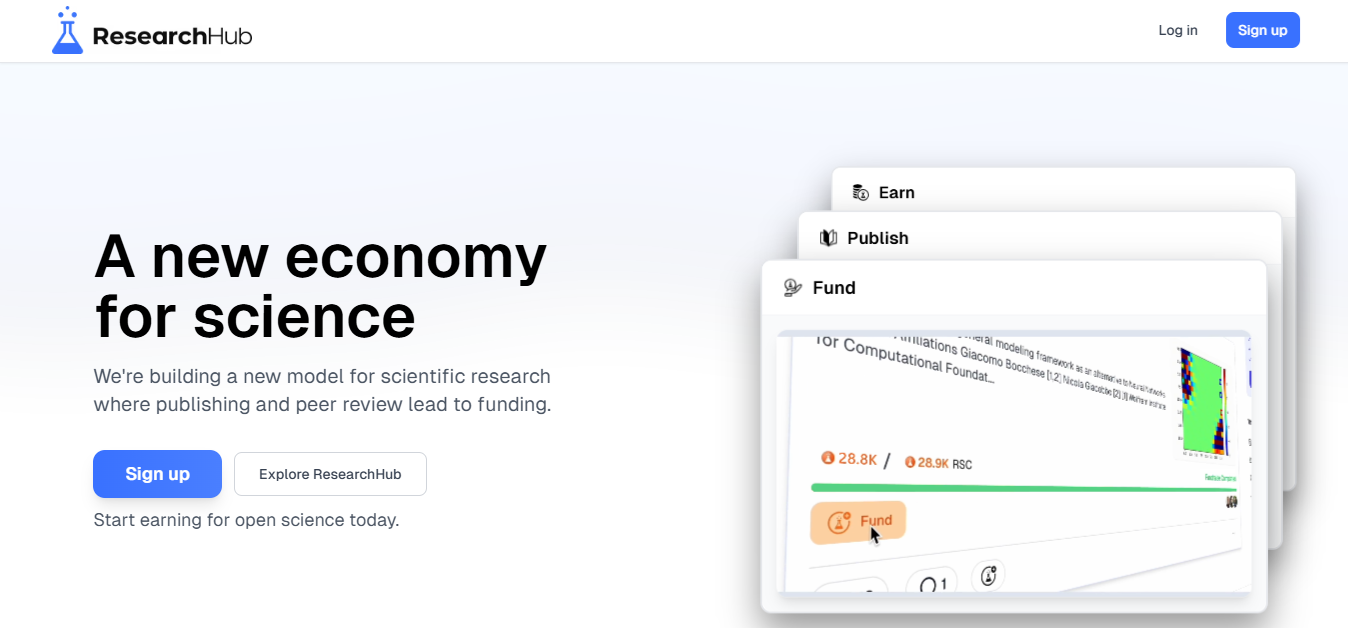
Scientific research funding, publication, and evaluation have faced serious structural problems for many years. The time researchers spend seeking funding, the slowness of publication processes, and the inefficiency of incentive mechanisms directly affect the pace of scientific progress. ResearchHub and its native token, ResearchCoin (RSC), aim to provide a blockchain-based, community-driven solution to these issues.
ResearchHub’s Purpose and Origin Story
ResearchHub‘s core mission is to accelerate the progress of science. The platform aims to create a modern infrastructure where scientists and researchers can collaborate in a more open, transparent, and efficient manner. This approach can be seen as an adaptation of the transformation GitHub brought to the software world, applied to scientific research.
ResearchHub seeks to create an environment where scientific content is evaluated, discussed, and developed by the community rather than behind closed doors. At the center of this vision is ResearchCoin (RSC).
What Does ResearchCoin (RSC) Offer?
ResearchCoin (RSC) is the governance and utility token used on the ResearchHub platform. Developed as an ERC-20 standard token, it is designed to incentivize scientific contributions, facilitate funding, and support community-based decision-making processes.
Unlike traditional cryptocurrencies, RSC has an economic model that rewards productivity and value creation rather than speculation. The primary way to earn tokens is by producing scientific content, participating in discussions, conducting peer reviews, and providing contributions deemed valuable by the community.
What is ResearchCoin Used For?
ResearchCoin serves multiple functions simultaneously within the ResearchHub ecosystem:
Reward Mechanism
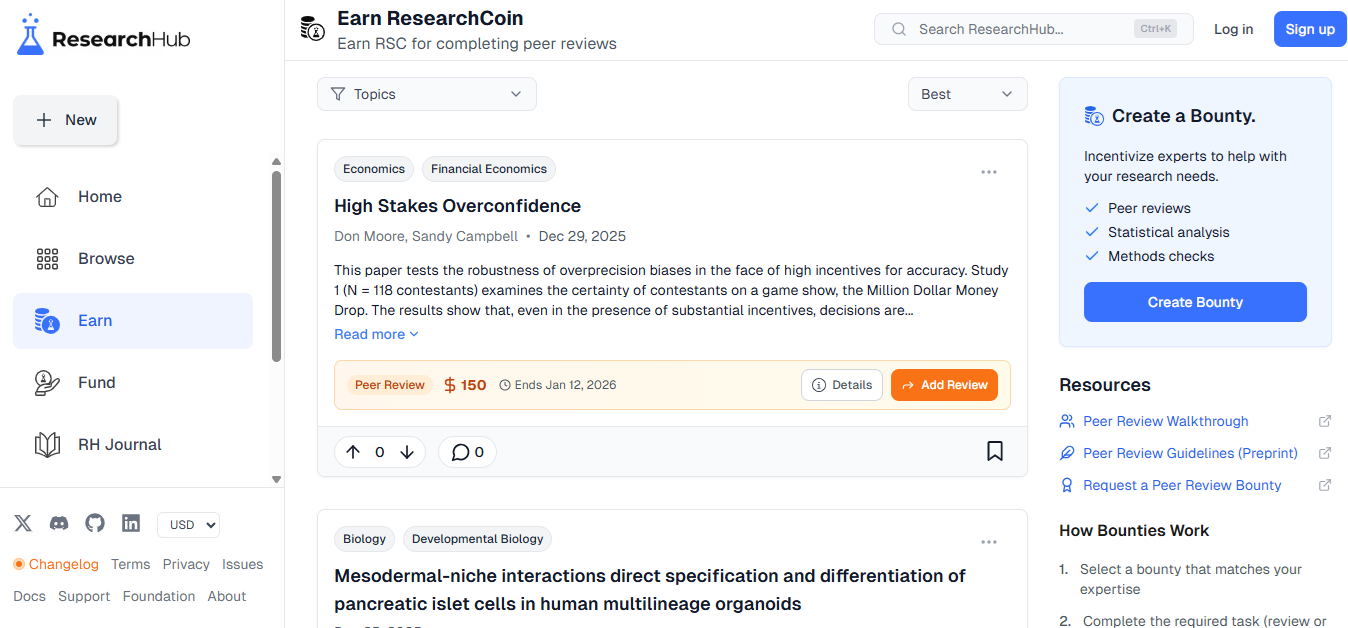
Researchers can earn RSC by sharing academic papers, participating in scientific discussions, conducting peer reviews, or publishing research notes. The amount of tokens earned is shaped by how valuable the community finds the contribution.
Tipping and Incentive System
Users can tip RSC to content they find useful. This system naturally highlights high-quality content and directly rewards contributors.
Bounty (Reward Tasks)
Bounties can be created on ResearchHub for specific scientific tasks. For example, RSC-rewarded tasks can be opened for peer reviewing a paper, answering a research question, or preparing a technical summary.
Governance and Voting Rights
RSC holders can vote on decisions affecting the platform’s development. This turns ResearchHub into a community-governed ecosystem rather than a centralized structure.
What is ResearchHub?
ResearchHub is a digital platform created for the open funding, publication, and discussion of scientific research. Users can:
- Share research papers and preprints
- Publish scientific notes and technical blog posts
- Conduct peer reviews
- Apply for funding calls
- Create community-supported research projects
All these processes occur within a transparent economy incentivized by ResearchCoin.
Problems in the Traditional Scientific Economy
In the current academic system, funding providers, researchers, and journals operate with different incentives. This leads to significant inefficiencies across the system:
- Researchers spend a large portion of their time on funding applications
- Funding providers cannot objectively measure the true value of scientific output
- Academic journals often operate with revenue-focused motives
ResearchHub aims to overcome these issues through direct community evaluation and transparent incentives.
ResearchHub Product Features
Funding (Fund)
Funding providers can create requests for proposals (RFPs) for specific research areas. Researchers can apply to these calls or gather support through direct community funding.
Publishing (Publish)
Users can publish academic papers, preprints, or short research notes on the platform. Published content can receive community feedback and be rewarded with RSC.
ResearchHub Journal
ResearchHub has its own academic journal. Peer reviews are completed in an average of 10 days, and reviewers are directly rewarded with RSC.

Notebook
Researchers can produce content in a notebook environment where they can collaborate in real-time and publish it directly.
Peer Reviews
Every piece of content on the platform is open to peer review. Reviews are scored under categories such as methodology, results, discussion, and overall quality.
Bounty System
Rewarded tasks are created for specific scientific tasks to encourage contributions from experts.

Reputation (REP) System
Each user has a field-specific reputation score. As the REP score increases, additional privileges such as moderation and community management are gained.
ResearchCoin Token Information
- Token Name: ResearchCoin
- Symbol: RSC
- Token Standard: ERC-20
- Total Supply: 1,000,000,000 RSC
- Initial Circulating Supply: 7.5 million RSC
- Annual Maximum Emission: 50 million RSC
ResearchCoin (RSC) and the Base Network
ResearchCoin is used on the Base Layer-2 network in addition to the Ethereum mainnet. Thanks to the Base network, transactions can be processed faster and at lower costs. RSC tokens on Ethereum and Base are backed 1:1.
ResearchCoin (RSC) Token Distribution
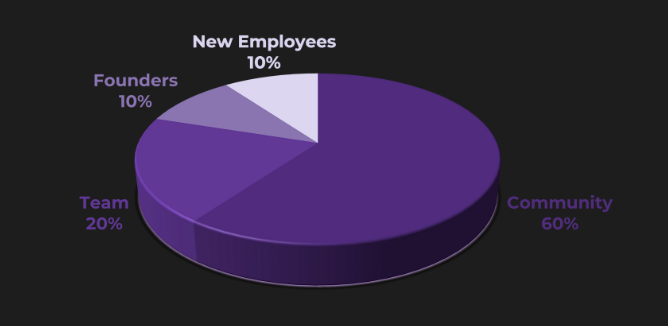
The total supply distribution is as follows:
- 60%: ResearchHub community and users
- 20%: ResearchHub Technologies
- 10%: Founders
- 10%: Future team members
Tokens allocated to the community are distributed according to a multi-year emission plan, targeting long-term sustainability.
ResearchHub Investors
ResearchHub has raised a total of $7 million in funding, creating a strong financial backing structure. The investor profile combines early-stage technology funds with angel investors who are leading entrepreneurs in the sector.
Venture Capital Funds:
- Boost VC – Venture Capital
- OSS Capital – Venture Capital
- Sora Ventures – Venture Capital
Angel Investors:
- Amjad Masad – Angel Investor
- Garry Tan – Angel Investor
- Guillermo Rauch – Angel Investor
- Bob Young – Angel Investor

ResearchHub Team
The team behind ResearchHub consists of founders and engineers with deep experience in technology, the crypto ecosystem, and open research models. Expertise in product development, decentralized platforms, and scalable software infrastructure forms the key elements supporting the project’s long-term vision.
Team Members:
- Brian Armstrong – Co-Founder and CEO
- Patrick Joyce – Co-Founder and COO
- Kobe Attias – Lead Developer
- Tyler Diorio – Chief of Staff
- Gregor Zurowski – Founding Engineer
- Taki Koutsomitis – Founding Engineer

Official Links
Also, you can freely share your thoughts and comments about the topic in the comment section. Additionally, please follow us on our Telegram, YouTube, and Twitter channels for the latest news and updates.