

 Yigit Taha OZTURK
In the race to become a major digital powerhouse in Asia, Vietnam is taking bold steps forward. Fueled by a young tech-savvy population and increasing regional competition, the country has now laid a legal foundation for digital innovation—starting with Bitcoin and Ethereum.
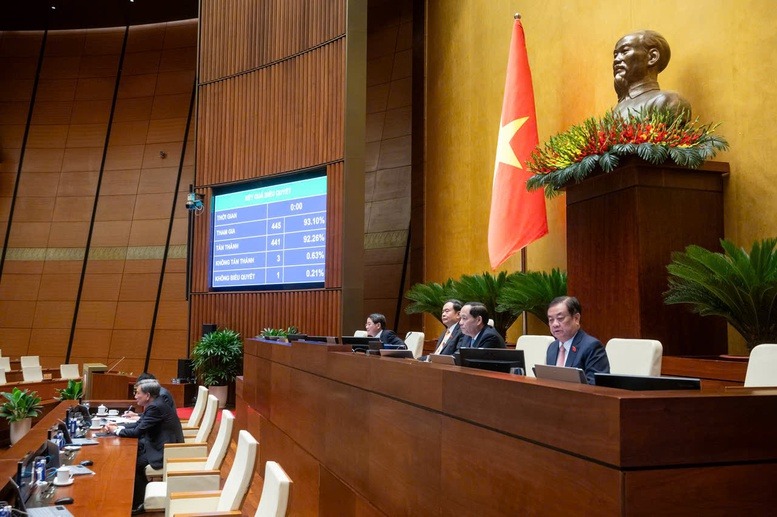
Approved on June 14, 2025, the Law on Digital Technology Industry brings crypto assets under regulatory oversight and offers incentives for cutting-edge sectors like AI and semiconductors.
Crypto Assets Officially Recognized
Vietnam’s new legislation categorizes digital assets into two types: virtual assets and crypto assets. These classifications exclude securities, fiat currencies, or financial instruments. The law mandates the government to define operational rules, business conditions, and supervision methods for these asset classes.
Crucially, the bill introduces anti-money laundering and cybersecurity safeguards in line with global standards, aiming to address the FATF’s concerns. Vietnam has been on the FATF “gray list” since 2023, and this law could be a significant step toward removal.
Incentives Beyond Crypto: AI and Infrastructure Focus
The law goes beyond cryptocurrencies. It offers tax relief, land-use advantages, and R&D funding for companies working on core technologies such as AI, semiconductor design, and digital infrastructure. Regional authorities will also invest in workforce development and update national education programs to include digital skills.
You Might Be Interested In: Elon Musk Talks About the Name of a New Memecoin!
According to the Vietnamese government, this marks the world’s first comprehensive standalone law dedicated to the digital technology industry.
Rising Scams in the Crypto Market
With rising crypto adoption, scams have become more frequent. In February 2025, four people were arrested for running a fake crypto mining platform called BitMiner, posing as a Dubai-based firm. They defrauded over 200 individuals of 4 billion Vietnamese dong (about $157,300).
In another high-profile case from December 2024, a company named Million Smiles lured 100 companies and 400 individuals into investing in a fake cryptocurrency, QFS, using misleading claims tied to ancestral treasures. Losses reached over 30 billion dong ($1.17 million).
You can also freely share your thoughts and comments about the topic in the comment section. Additionally, don’t forget to follow us on our Telegram, YouTube, and Twitter channels for the latest news and updates.